





-
10 Saturation
-
10 Aftertaste
-
10 Aroma
-
10 Effect
-
10 Balance
-
10 Body
Hibiscus: The Ruby Drink of Two Continents
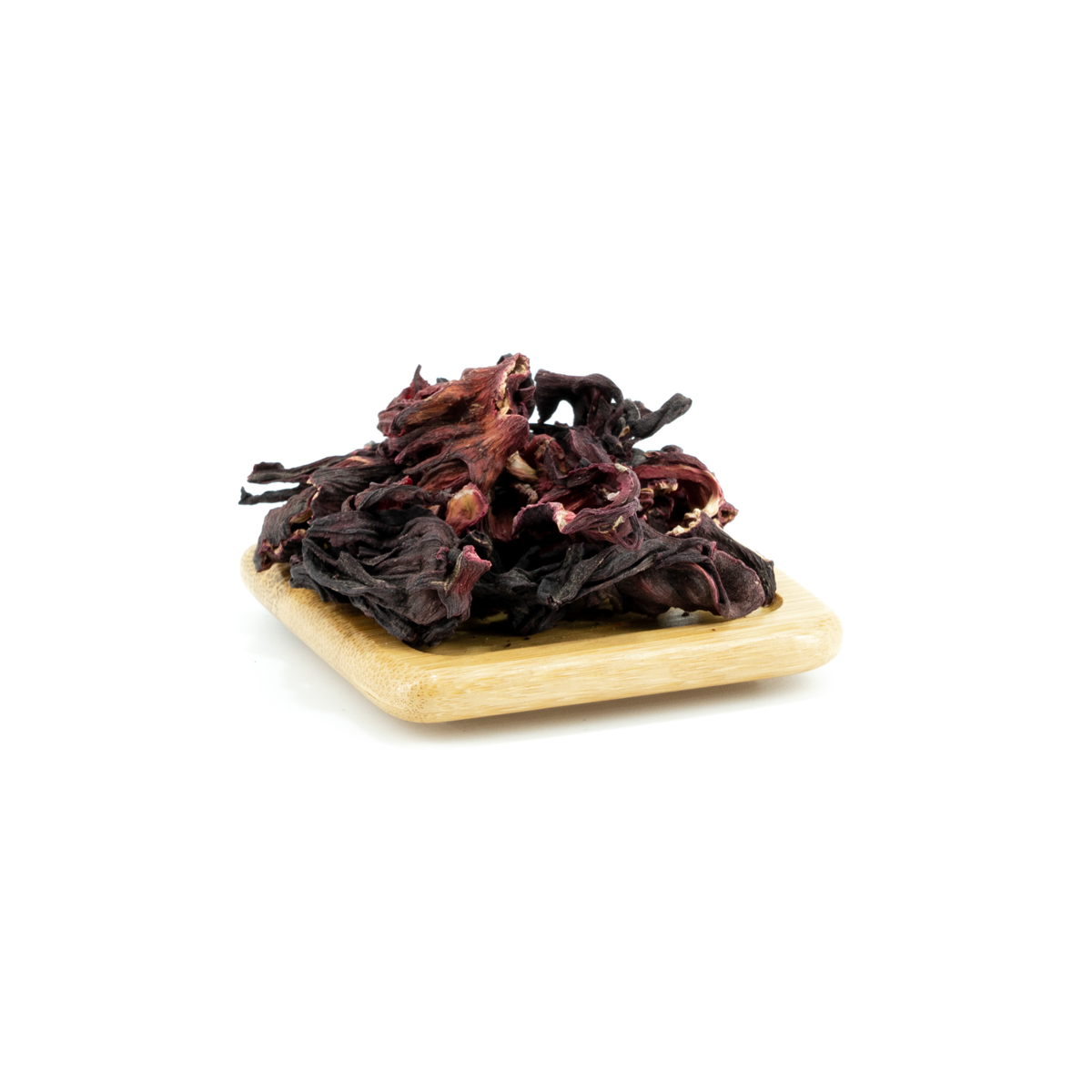
In the world of herbal teas, hibiscus tea, also known as Sundanese rose tea or (洛神花, Luòshén huā) (Luoshenhua) in Chinese, holds a special place thanks to its vibrant flavor and medicinal properties. Derived from the flowers of the Hibiscus sabdariffa plant, this drink is renowned not only for its distinctive ruby color and tart flavor but also for its rich array of health benefits.
History and cultural significance
The history of hibiscus tea dates back to ancient Egypt and Sudan, where it was traditionally used to quench thirst and maintain health in hot climates. The plant arrived in China via the Silk Road, where it was named Luoshenhua (洛神花, Luòshén huā) and incorporated into traditional Chinese medicine.
In traditional Chinese culture, hibiscus tea is especially prized not only as a healing beverage but also as a source of natural dye and an important component in traditional medicine. Today, China is one of the world's leading producers of high-quality hibiscus tea.
Hibiscus sabdariffa is an annual plant growing to a height of 2-2.5 meters. In China, hibiscus is grown exclusively in the southern provinces, where the climate is most favorable. The main growing regions are located in the provinces of Yunnan, Guangdong, and Hainan, where the climate is ideal for hibiscus cultivation. Modern technologies are combined with conservative processing methods, resulting in a premium-quality product.
Chemical composition and beneficial properties
Hibiscus tea has a rich chemical composition, including: organic acids, which give the drink its characteristic sour taste and promote good digestion; anthocyanins, which provide an unforgettable color and have powerful antioxidant properties; vitamins B and C; and minerals, including iron, calcium, and magnesium.
In traditional medicine, hibiscus is used for:
- Maintaining cardiovascular health
- Normalization of blood pressure
- Strengthening the immune system
- Improving liver function
- Maintaining the body's water balance
Cooking Features
Chinese tea masters recommend several methods for preparing hibiscus tea:
Hot method:
- Use 1-2 teaspoons of flowers per 250 ml of water.
- Pour boiling water over it and wait for 5-7 minutes.
- Add honey or sugar to taste if desired.
Cold method:
- Brew the drink using a hot method.
- Cool and add ice
- Add lemon or honey if desired.
Culinary uses
In addition to making drinks, hibiscus is widely used in Eastern cuisine as:
- Natural coloring for traditional dishes
- Component of sauces and marinades
- An ingredient for making desserts
- Additive to various tea blends
Hibiscus tea is a unique example of how a plant native to Africa has seamlessly integrated into Chinese culture, enriching it with new flavors and medicinal properties. Chinese hibiscus tea is not only delicious but also a healthy drink, suitable for daily consumption. Its vibrant color, refreshing flavor, and healing properties make it an excellent choice for those who care about their health. Enjoy this unique drink and discover new facets of Chinese tea traditions!

|
Name in Chinese
|
洛神花 |
|
Pinyin
|
luòshénhuā |
|
Translation
|
hibiscus flower |
|
Country
|
China |
- Reviews
- Vkontakte


