-
7 Saturation
-
7 Aftertaste
-
7 Aroma
-
7 Effect
-
7 Balance
-
7 Body
Qiantang Longjing: China's Emerald Pearl
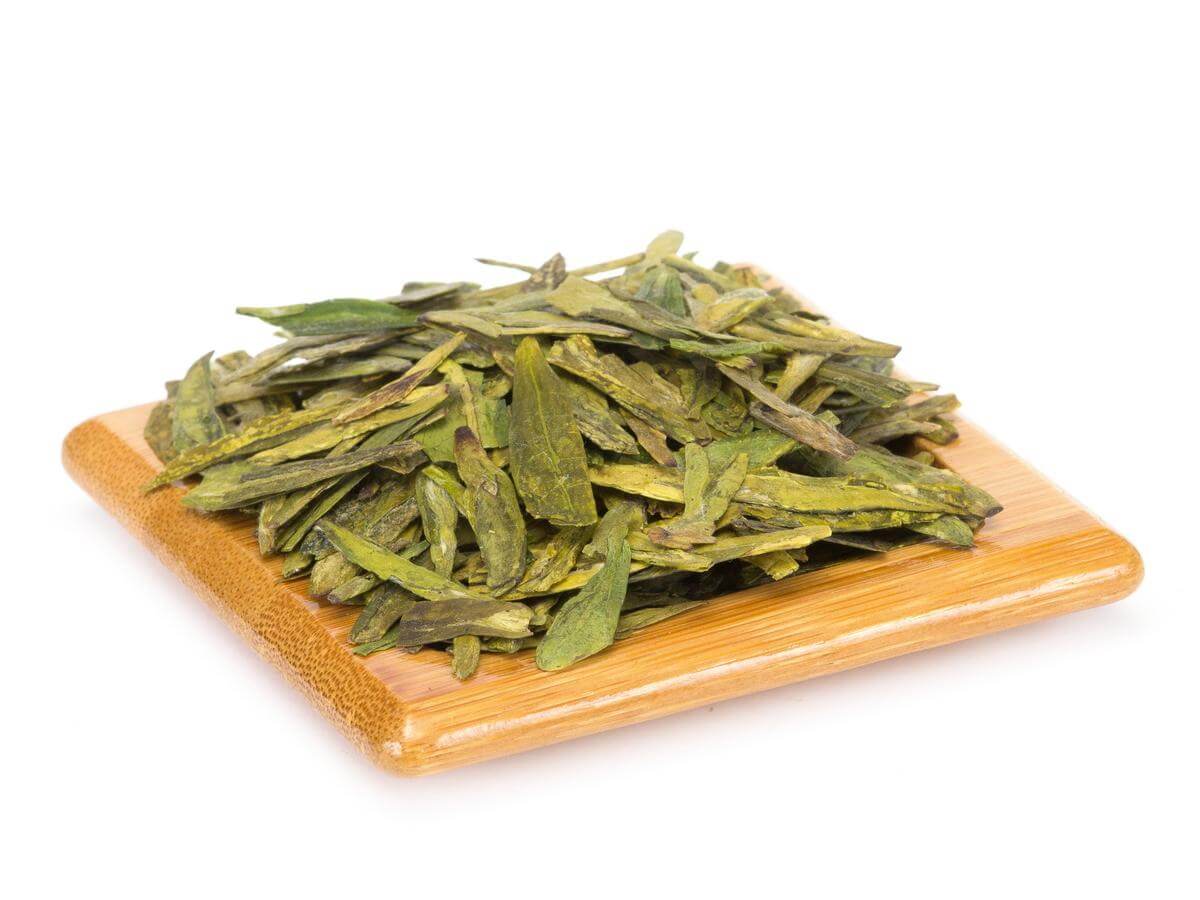
Qiantang Longjing (Chinese: 钱塘龙井, pinyin: qiántáng lóngjǐng) is one of the most famous and revered green teas in the world. It originates from the picturesque surroundings of Hangzhou, Zhejiang Province, China. The tea takes its name from a mountainous region in the province, which in turn takes its name from the village of Longjing, which means "Dragon Well" in Chinese. This name stems from a legend that a dragon once lived in a spring located near the tea plantations.
Why is Longjing so prized?
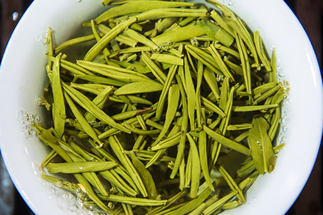
- Unique flavor: Longjing has a fresh, slightly sweet taste with subtle nutty notes. The infusion is clear, bright green, and has a delicate, floral aroma.
- High Quality: Longjing tea leaves are hand-picked and processed using traditional techniques, ensuring high quality and the preservation of all beneficial substances.
- History and Culture: Longjing has a rich history and culture. It was a favorite tea of many Chinese emperors, and its production is still surrounded by many traditions and rituals.
How to brew Longjing?
To fully appreciate the aroma and flavor of Longjing, it is recommended to follow these guidelines:
- Water temperature: 75-80°C
- Amount of tea: 3-5 grams per brew
- Brewing time: First brew – 30 seconds, subsequent brews – 10-15 seconds longer.
- Utensils: Gaiwan or small glass teapot.
What goes well with Longjing?
Longjing pairs beautifully with light snacks such as nuts, dried fruits, honey, and traditional Chinese sweets. It also makes a great addition to fruit desserts.
The beneficial properties of Longjing
Longjing is rich in antioxidants, vitamins, and minerals. It helps improve digestion, boost immunity, and lower cholesterol.
What does the word Qiantang mean ?
The addition of the word "Qiantang" to the name of Longjing tea is significant and helps to clarify the origin and quality of this drink.
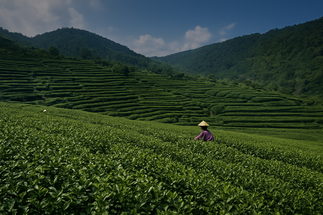
Qiantang is the name of a river and a historical region in China where the tea plantations where the leaves for real Longjing are harvested are located. The Qiantang River is famous for its tides, considered among the largest in the world. This natural phenomenon also influences the region's climate and, consequently, the taste of tea.
Why is this important?
- Geographical Indication: The word "Qiantang" indicates that this tea grows in a specific region with unique climate and soil conditions that give the tea its unique taste and aroma.
- Quality Guarantee: The name "Qiantang Longjing" serves as a guarantee of quality. Tea grown in this region meets specific standards and possesses traditional characteristics prized by connoisseurs.
- Distinguishing from other varieties: There are many other varieties of green tea also called Longjing, but they are grown in different regions. The addition of the word "Qiantang" helps distinguish genuine Longjing from counterfeits and lower-quality teas.
Thus, the full name " Qiantang Longjing " can be translated as "Longjing from Qiantang" or " Dragon Well from Qiantang ." This name emphasizes the tea's geographical origin and guarantees its high quality.

|
Name in Chinese
|
钱塘龙井 |
|
Pinyin
|
qiántáng lóngjǐng |
|
English name
|
Qiantang Dragon Well |
|
Translation
|
Dragon Well of Qiantang |
|
Tea variety
|
Longjing |
|
Country
|
China |
|
Provinces
|
Чжэцзян (浙江) |
|
Region
|
Hangzhou (杭州) |
|
Habitat
|
Цяньтан (钱塘, qiántáng) |
- Reviews
- Vkontakte
The history of this tea variety goes back more than a thousand years. This drink was loved by many rulers of China. Thus, Emperor Kangxi awarded Longjing the highest title of Gong Cha for its amazing qualities. And his grandson Qianlong, having appreciated the taste of tea, personally created an imperial garden of eighteen "dragon well" bushes. Mao Zedong also loved this variety very much.