



-
9 Saturation
-
8 Aftertaste
-
8 Aroma
-
10 Effect
-
10 Balance
-
9 Body
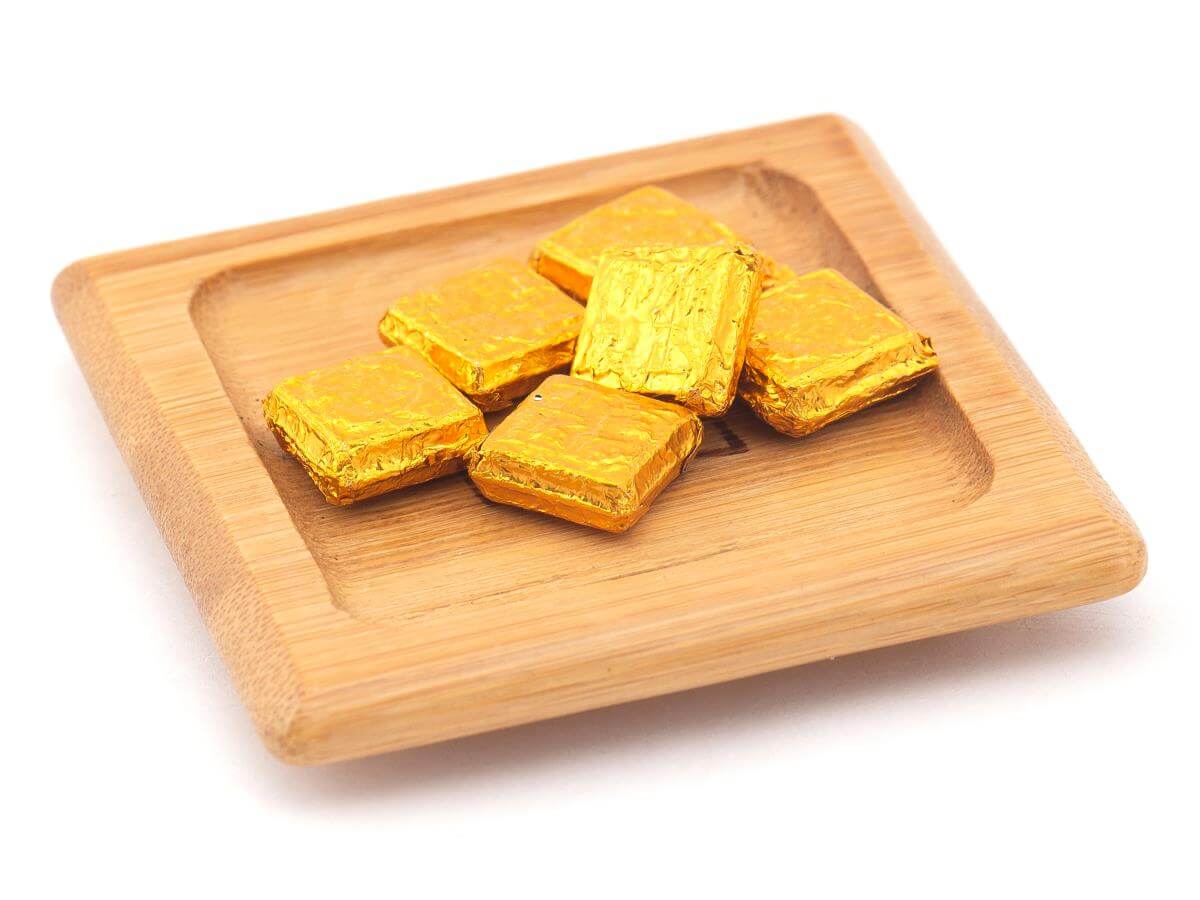
When dry, these are beautiful ingots with classic Chinese engravings. They have a strong, penetrating creamy caramel aroma.
The finished drink's flavor is soft, rich, enveloping, and warm. It boasts rich condensed milk, baked milk, a hint of honey, caramel, and nutty notes. The resin goes down very easily, smoothing down the throat and leaving a pleasantly moisturizing finish.
The finish is long with honey, creamy and caramel notes.
Shu pu-erh resin is an excellent and quick tonic, gives a boost of energy, lifts the mood and improves concentration.
Brewing method: Dissolve 1 resin granule in 1 liter of boiling water. A thermos or chahai works well for this. Stir the drink to ensure it dissolves completely. To adjust the strength of the drink, either dilute it with hot water or add 1 or 2 more resin granules.
Shu pu-erh resin in beautiful ingots (tea paste, chagao) is one of the most delicious and vibrant of all pu-erh resins, and can also be brewed in a large volume of water.
|
Name in Chinese
|
熟茶高 |
|
Country
|
China |
|
Provinces
|
Yunnan (云南) |
- Reviews
- Vkontakte

This tea extract was known in the Tang Dynasty (7th - 10th centuries). It ceased to be produced during the Ming Dynasty (14th - 17th centuries). It was resumed during the Qing Dynasty (17th - 20th centuries). There was a special workshop in the imperial palace that was engaged in the production of tea resin. This paste was made in the 1950s at the Xiaguan factory for the Chinese army, which was based in Tibet. It was used, as you understand, to replenish the strength of military personnel and to replenish the soldiers' meager rations with vitamins and microelements. After all, regular delivery of food to the Tibetan plateau was a very difficult matter.


