



-
9 Saturation
-
9 Aftertaste
-
9 Aroma
-
9 Effect
-
9 Balance
-
9 Body
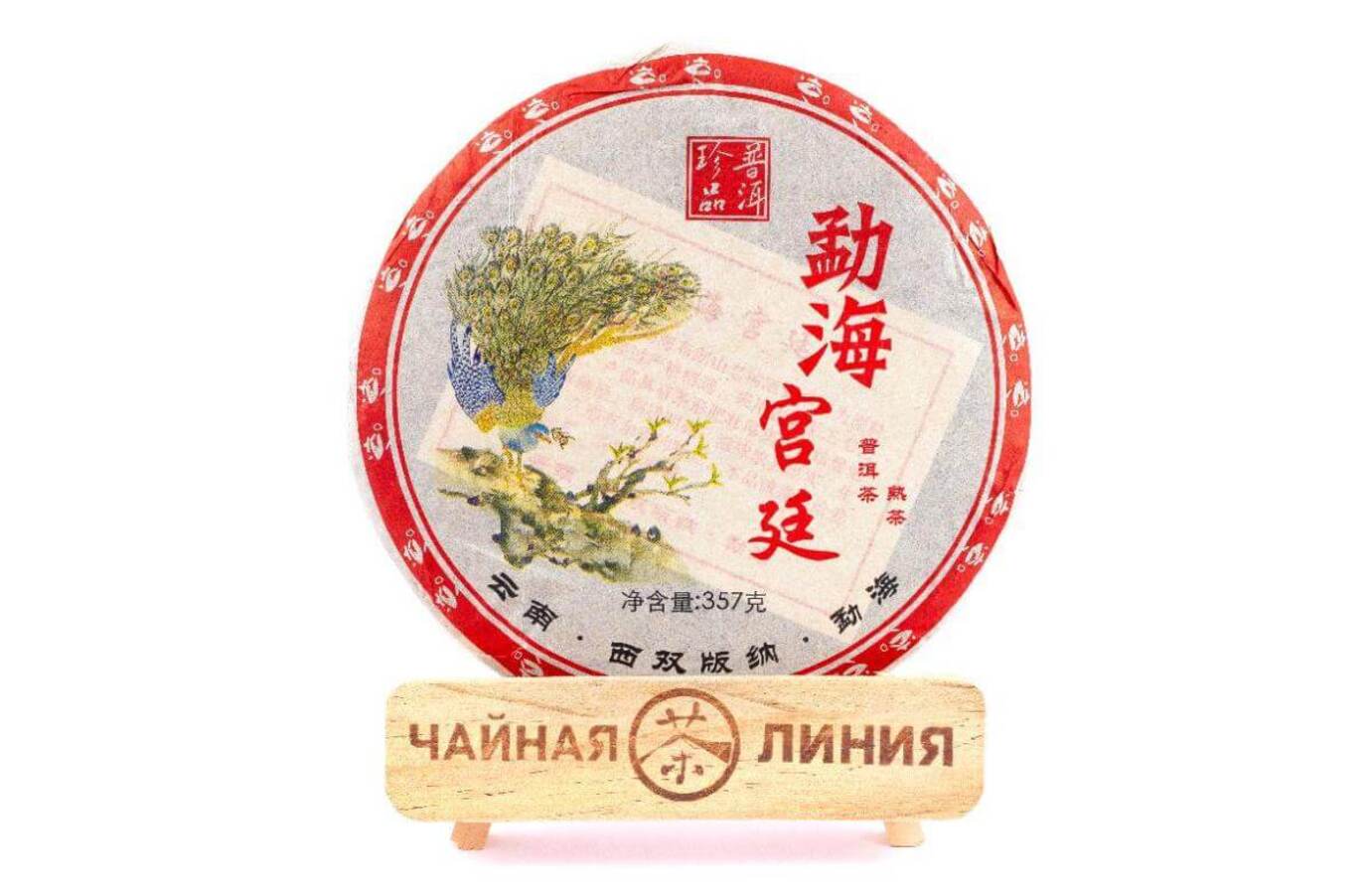
When warmed by the breath, the tea imparts a soft, woody, nutty aroma with a hint of dried clover, carefully placed in cardboard boxes. After washing, cherry pits, dried leaves, and old, dry wood are added.
The brewed tea has a rich, thick, and silky flavor. It has a woody-nutty profile with a slight bitterness. As you steep it more, the infusion becomes watery with a nutty flavor. This pu-erh tea should be steeped for six times at a ratio of 7-10 g of tea per 150-200 ml in a thick-walled Yixing clay teapot or gaiwan.
The finished infusion is dark red-brown in color, leaving a rich aftertaste with a pleasant bitterness and hints of walnut.
Shu pu-erh "Imperial Menghai" from the Zhoushi factory acts gently, gradually toning, giving strength and energy, uplifting the mood, and setting a directional vector of high-quality attention.
This is a high-quality pu-erh tea that can be purchased at a relatively low price. It makes an excellent everyday tea, perfect for any occasion, whether it's a morning tea to wake up to or a pleasant evening tea to pass the time.
|
Country
|
China |
|
District
|
Xishuangbanna Dai Autonomous Prefecture |
|
Provinces
|
Yunnan (云南) |
|
Manufacturer
|
Чжоуши (周氏) |
|
Year of pressing
|
2013 |
|
Pressing form
|
Bing Cha (Cake Tea) |
- Reviews
- Vkontakte

The question often arises: how to brew puerh correctly? Sometimes the phrase "to get high" is added to it. Moreover, everyone has their own understanding of this phrase. Some mean vigor, and some - intoxication. So how to brew puerh tea correctly? Let's consider several options.
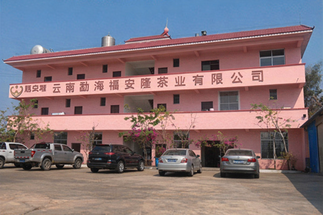
Well, finally we got to the Zhoushi puer factory, which is located in Menghai, Yunnan Province. We first purchased their cakes remotely several years ago and they were to the taste of Russian tea people. Now it's time to personally meet the owners and expand the range of this brand on the shelves of ChL. In this video, you will see the production process of the already familiar cakes, rare shots of the nuances of packaging and the atmosphere of such places.
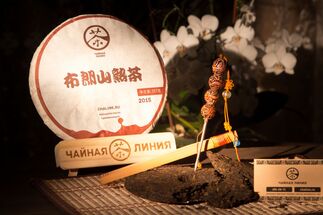
The tea ceremony occupies a special place in the centuries-old Eastern tradition. And although the essence of this phenomenon remains constant, the nature and external manifestations of the tea ceremony in different nations have their own national characteristics. In each Chinese province, the tea ceremony and the tea used in it are varied: for example, residents of the southern provinces prefer green tea, and residents of the northern provinces - red tea, in Fujian province they more often use Oolong tea, and in Yunnan province Puer tea is widely known.


