



-
0 Saturation
-
0 Aftertaste
-
0 Aroma
-
0 Effect
-
0 Balance
-
0 Body
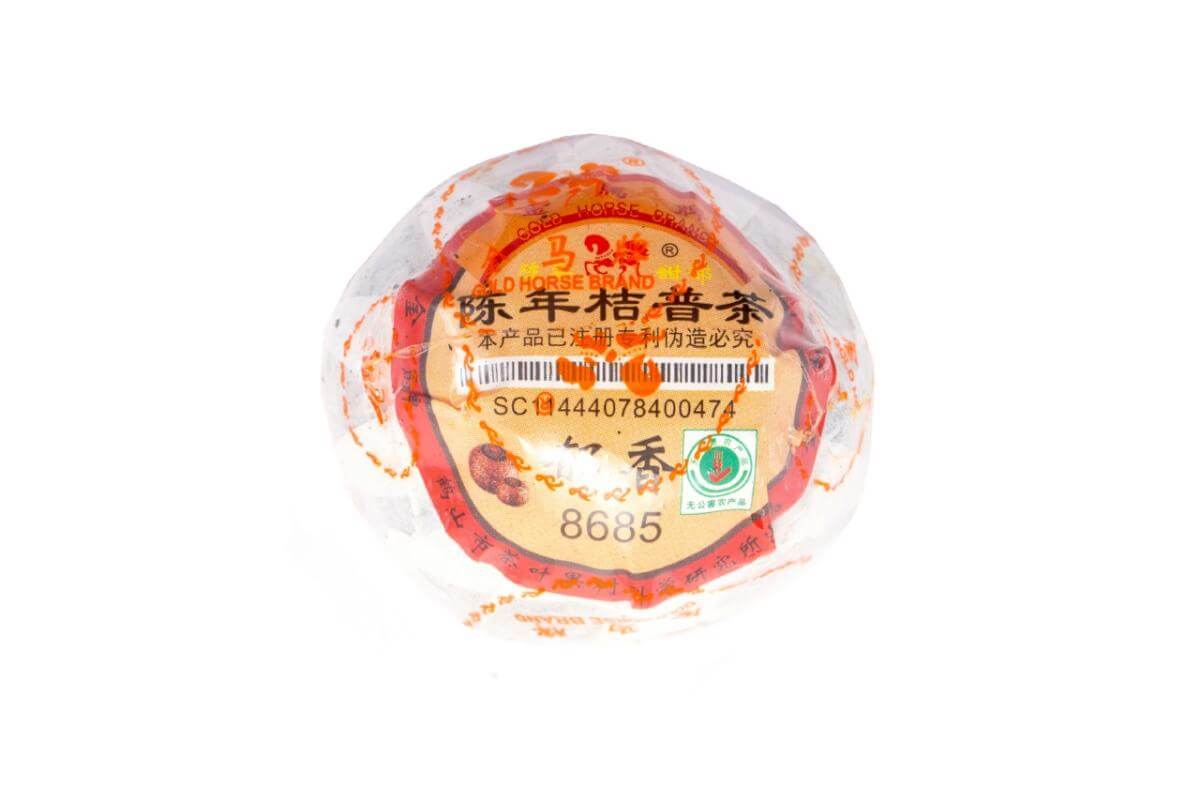
The aroma of dry tea leaves, when warmed by the breath, is rich and resinous, with a clear predominance of citrus notes and dried tangerine peels, with woody notes of shu pu-erh vaguely reminiscent of themselves.
After washing, the aroma intensifies, and the notes of shu pu-erh actively emerge: steamed wood, dried nuts, prunes.
The brewed tea has a bright, moderately tart flavor, slightly dry, with rich citrus notes. You can taste chocolate-covered orange, tree bark, and young nuts.
As the infusions increase, the oily citrus flavor fades, replaced by damp wood, autumn forest, and moss.
The aftertaste has a characteristic acidity, candy-like sweetness and woody-nutty notes.
This tea is a great tonic, invigorating, and gives you strength and confidence. It has a warming effect.
Mandarin shu pu-erh tea should be brewed using the traditional method, steeping it in a gaiwan at a rate of 10 grams of tea per 100 ml of boiling water. To enhance the mandarin flavor, you can add dried peel to the tea leaves, according to taste.
Shu pu-erh aged in a tangerine is an interesting, tasty and distinctive tea with a bright taste and high-quality tea condition.
|
English name
|
Ripe pu'er in tangerine “Golden Horse” |
|
Translation
|
Shu Pu-erh in a Golden Horse Mandarin |
|
Country
|
China |
|
Provinces
|
Yunnan (云南) |
|
Manufacturer
|
Золотая лошадь (金马) |
|
Declared weight, g
|
25 |
|
Size
|
4x4x4 |
|
Length, cm
|
4 |
|
Width, cm
|
4 |
- Reviews
- Vkontakte
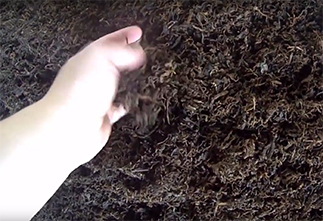

The question often arises: how to brew puerh correctly? Sometimes the phrase "to get high" is added to it. Moreover, everyone has their own understanding of this phrase. Some mean vigor, and some - intoxication. So how to brew puerh tea correctly? Let's consider several options.
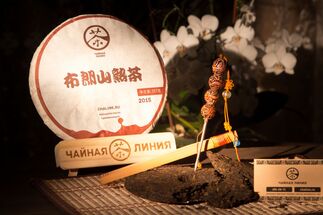
The tea ceremony occupies a special place in the centuries-old Eastern tradition. And although the essence of this phenomenon remains constant, the nature and external manifestations of the tea ceremony in different nations have their own national characteristics. In each Chinese province, the tea ceremony and the tea used in it are varied: for example, residents of the southern provinces prefer green tea, and residents of the northern provinces - red tea, in Fujian province they more often use Oolong tea, and in Yunnan province Puer tea is widely known.


