






-
0 Saturation
-
0 Aftertaste
-
0 Aroma
-
0 Effect
-
0 Balance
-
0 Body
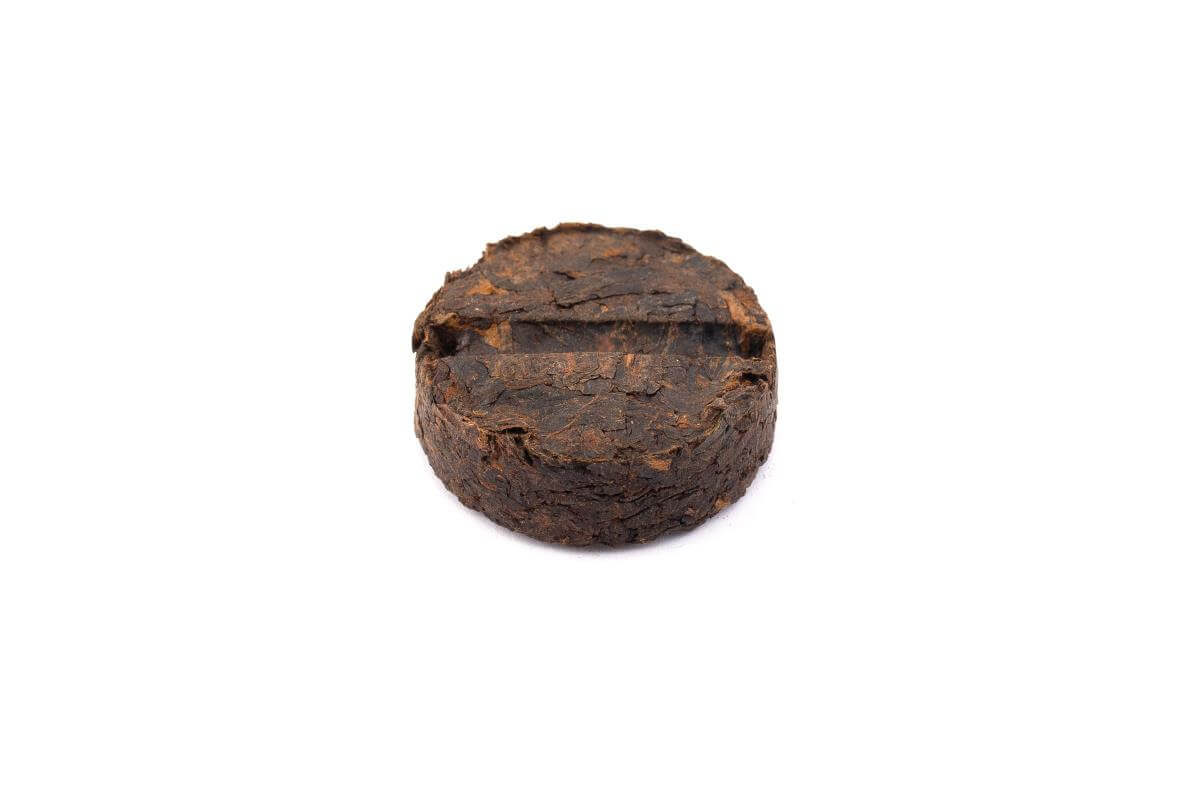
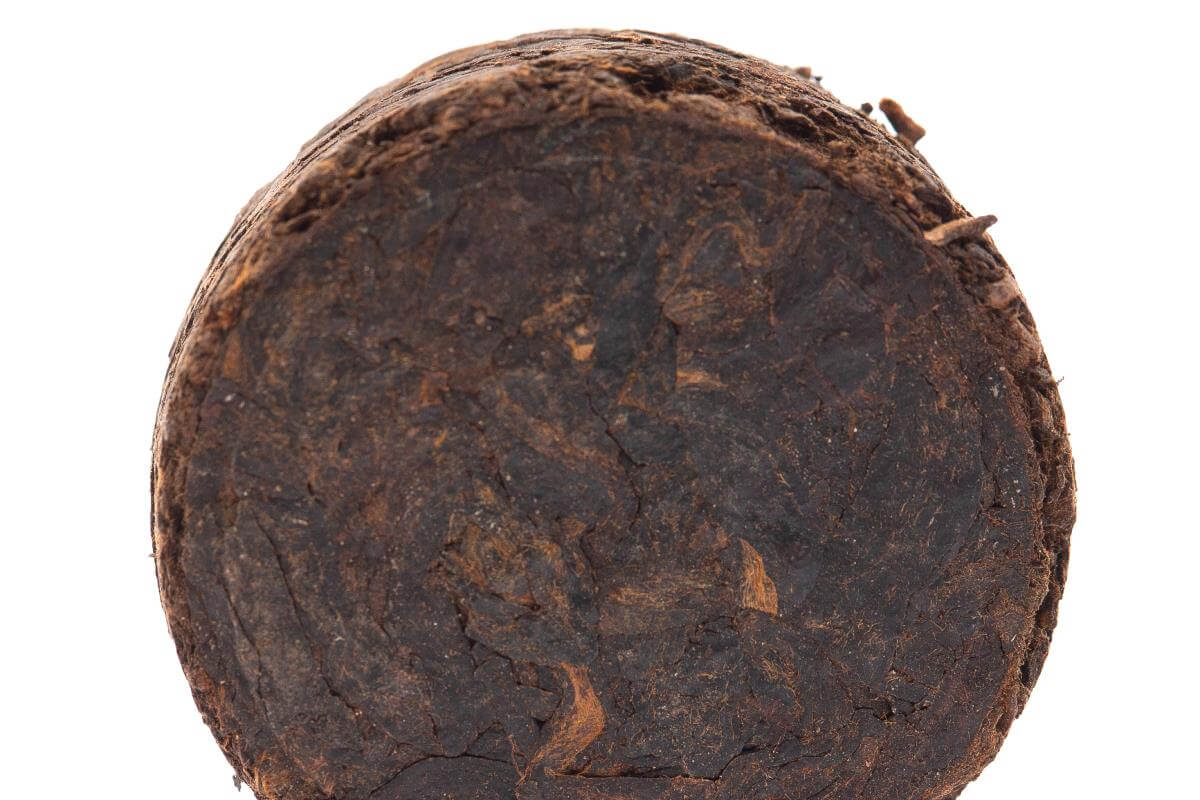
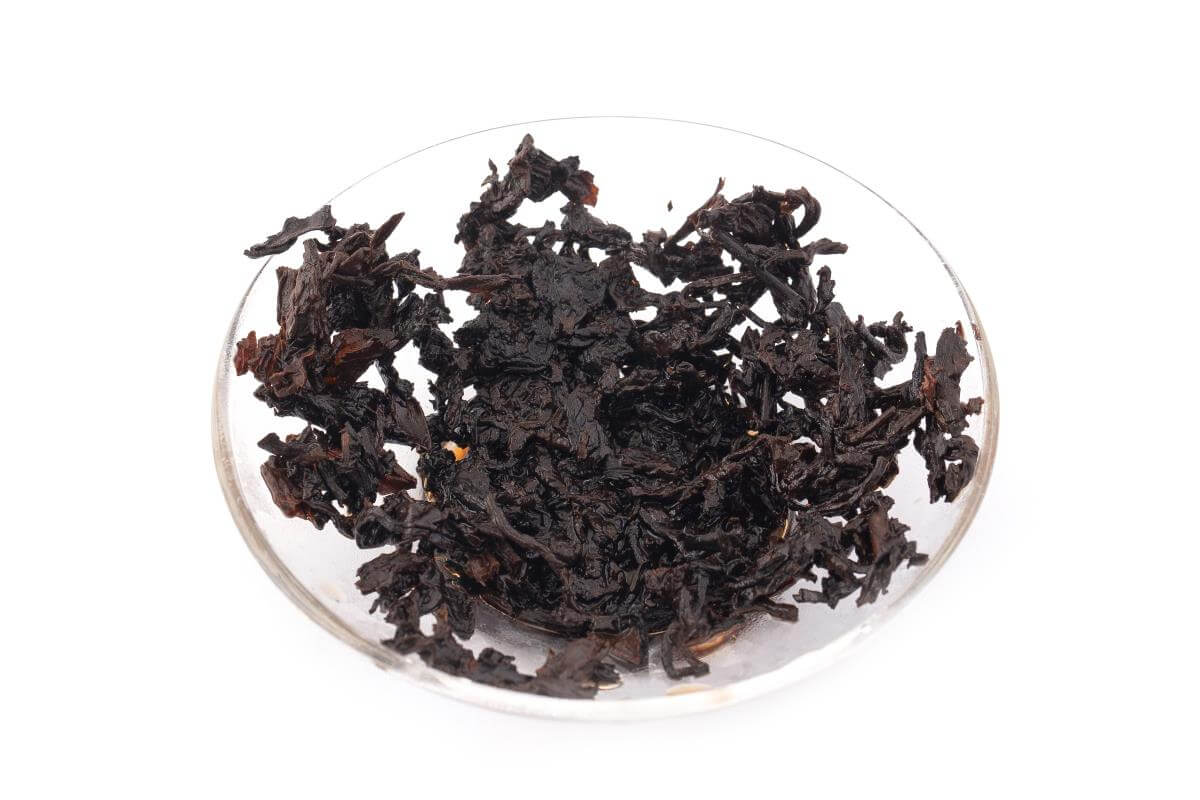
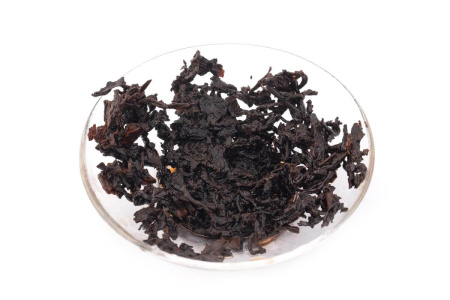
The aroma, when warmed by the breath, is multifaceted, sweetish-creamy, and rounded. Here you can detect prunes, raisins, caramel, and baked milk. There are no traces of wet stacking (Vodouy).
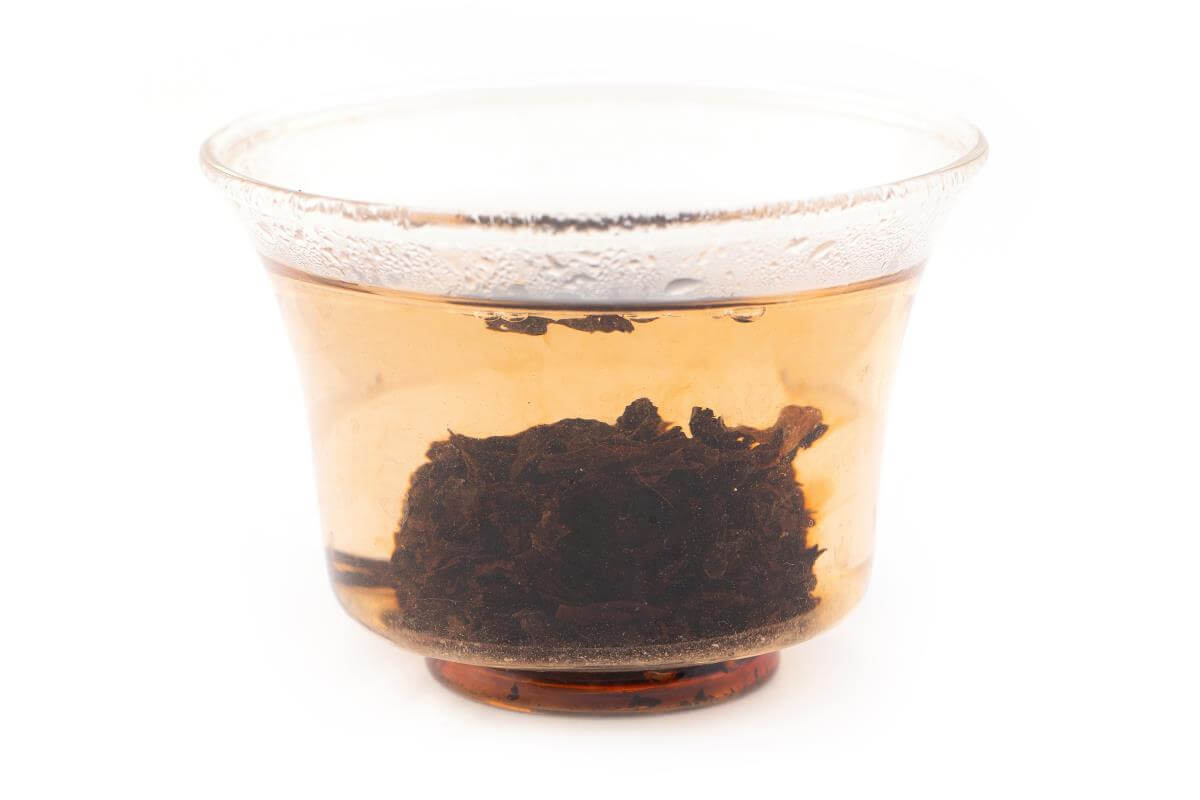
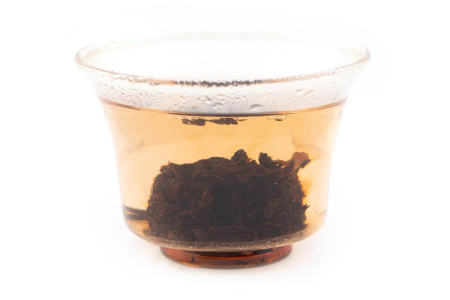
After washing it intensifies, revealing the aged note of a good old pu-erh.
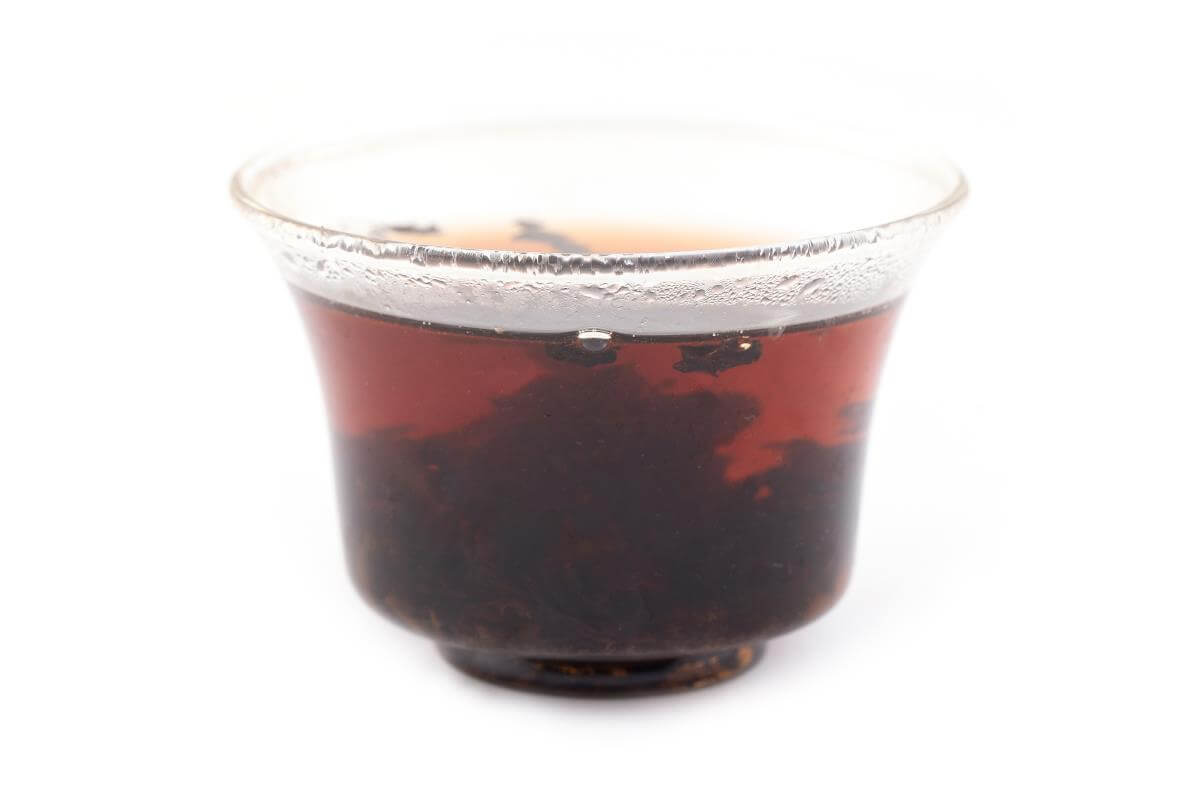
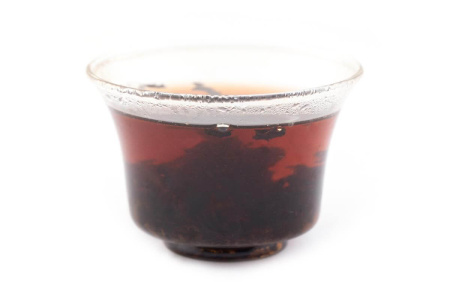
The taste of the brewed tea is soft, sweetish, creamy, reminiscent of shu pu-erh resin, with hints of a sauna, dried herbs in the attic, and damp maple leaves.
As the scent thickens, notes of damp leaves in an autumn forest and wood dominate.
The aftertaste is melodic, long-lasting, sweetish, with notes of caramel, prunes and autumn leaves.
This pu-erh can be brewed in either a gaiwan or a Yixing teapot, using 1 pu-erh per 100 ml of boiling water.
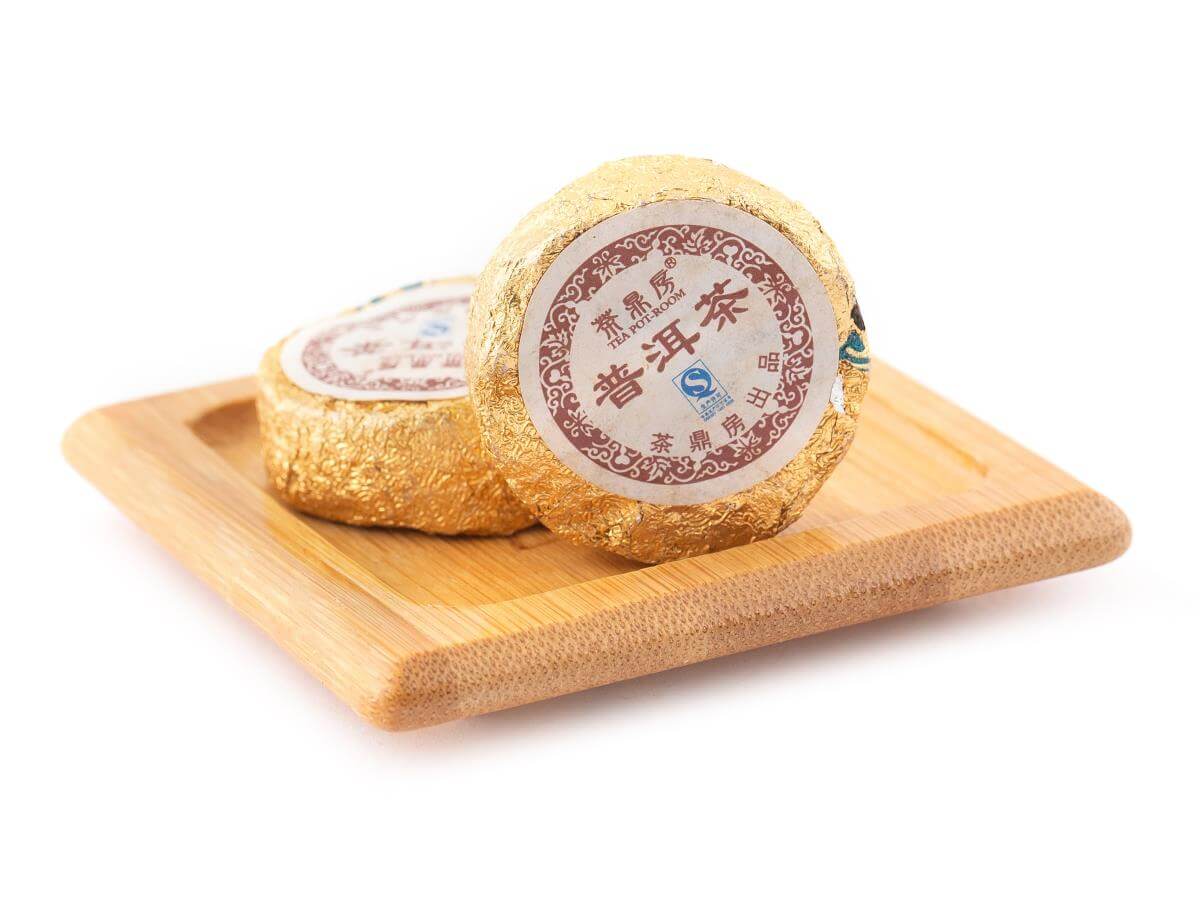
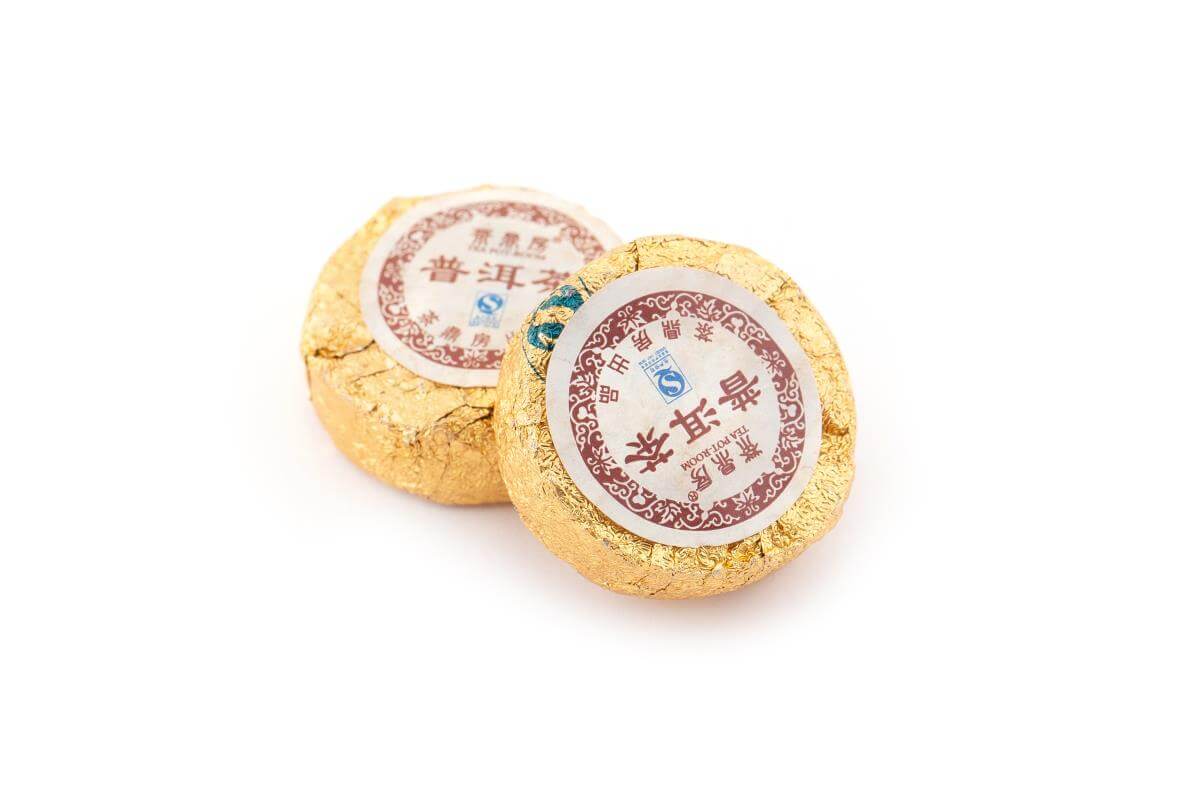
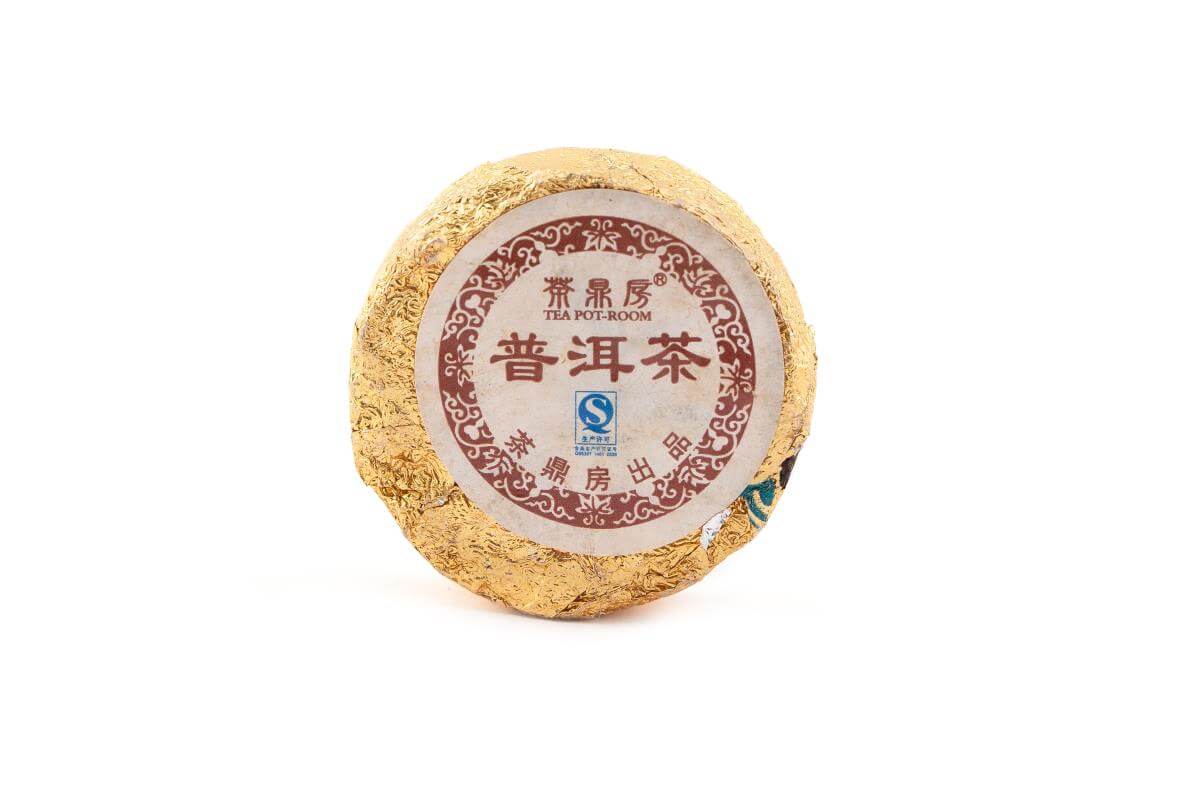
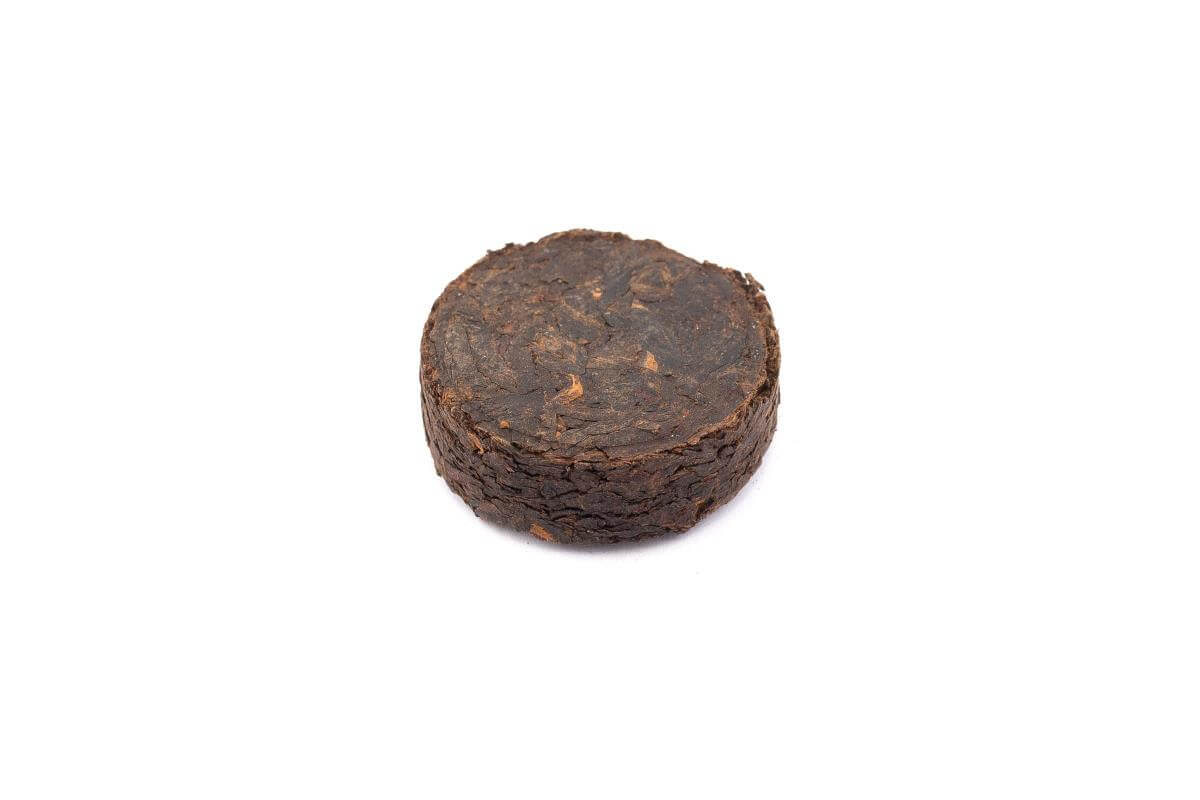
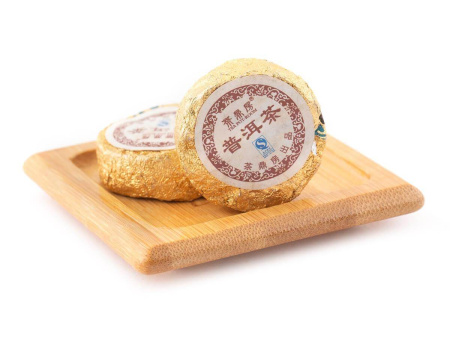
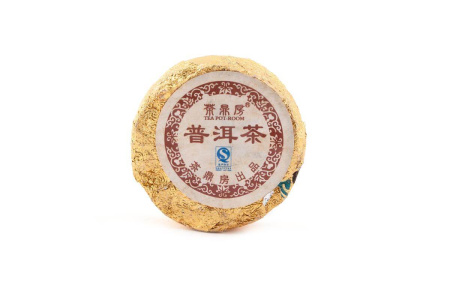
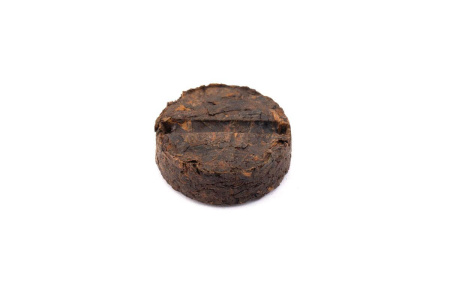
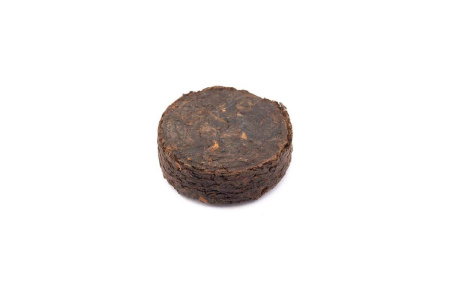
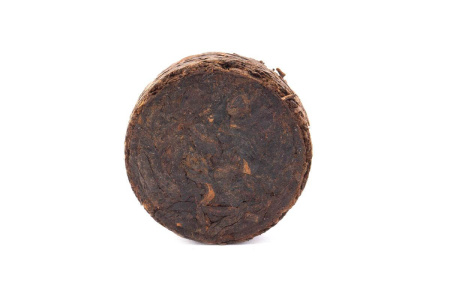
Shu pu'erchenxiang (old fragrance) mini-tochi in gold foil gently invigorates, sobers and sets the right mood.
Mini-tea pots like these have a dubious reputation, but the same can't be said for this tea. Its excellent quality, refined flavor, and tea-like consistency make it suitable for a quick tea break in any situation.
|
Name in Chinese
|
陈香熟普洱(金色小沱) |
|
English name
|
Shu Pu'er Chengxiang |
|
Translation
|
Shu Pu'er Chenxiang |
|
Country
|
China |
|
Provinces
|
Yunnan (云南) |
|
Region
|
Menghai (勐海) |
|
Year of pressing
|
2003 |
|
Pressing form
|
Xiaotuo Cha (Small Tuo Tea) |
|
Declared weight, g
|
6 |
|
Type of tea raw material
|
Plantation |
|
Size
|
1x3x3 |
|
Length, cm
|
3 |
|
Width, cm
|
3 |
- Reviews
- Vkontakte
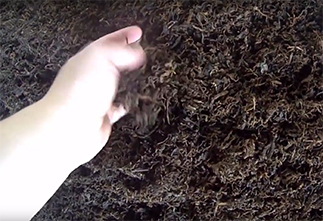

The question often arises: how to brew puerh correctly? Sometimes the phrase "to get high" is added to it. Moreover, everyone has their own understanding of this phrase. Some mean vigor, and some - intoxication. So how to brew puerh tea correctly? Let's consider several options.
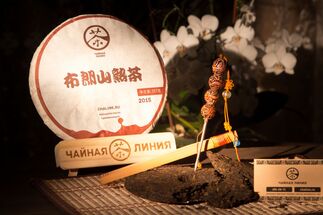
The tea ceremony occupies a special place in the centuries-old Eastern tradition. And although the essence of this phenomenon remains constant, the nature and external manifestations of the tea ceremony in different nations have their own national characteristics. In each Chinese province, the tea ceremony and the tea used in it are varied: for example, residents of the southern provinces prefer green tea, and residents of the northern provinces - red tea, in Fujian province they more often use Oolong tea, and in Yunnan province Puer tea is widely known.


