






-
0 Saturation
-
0 Aftertaste
-
0 Aroma
-
0 Effect
-
0 Balance
-
0 Body
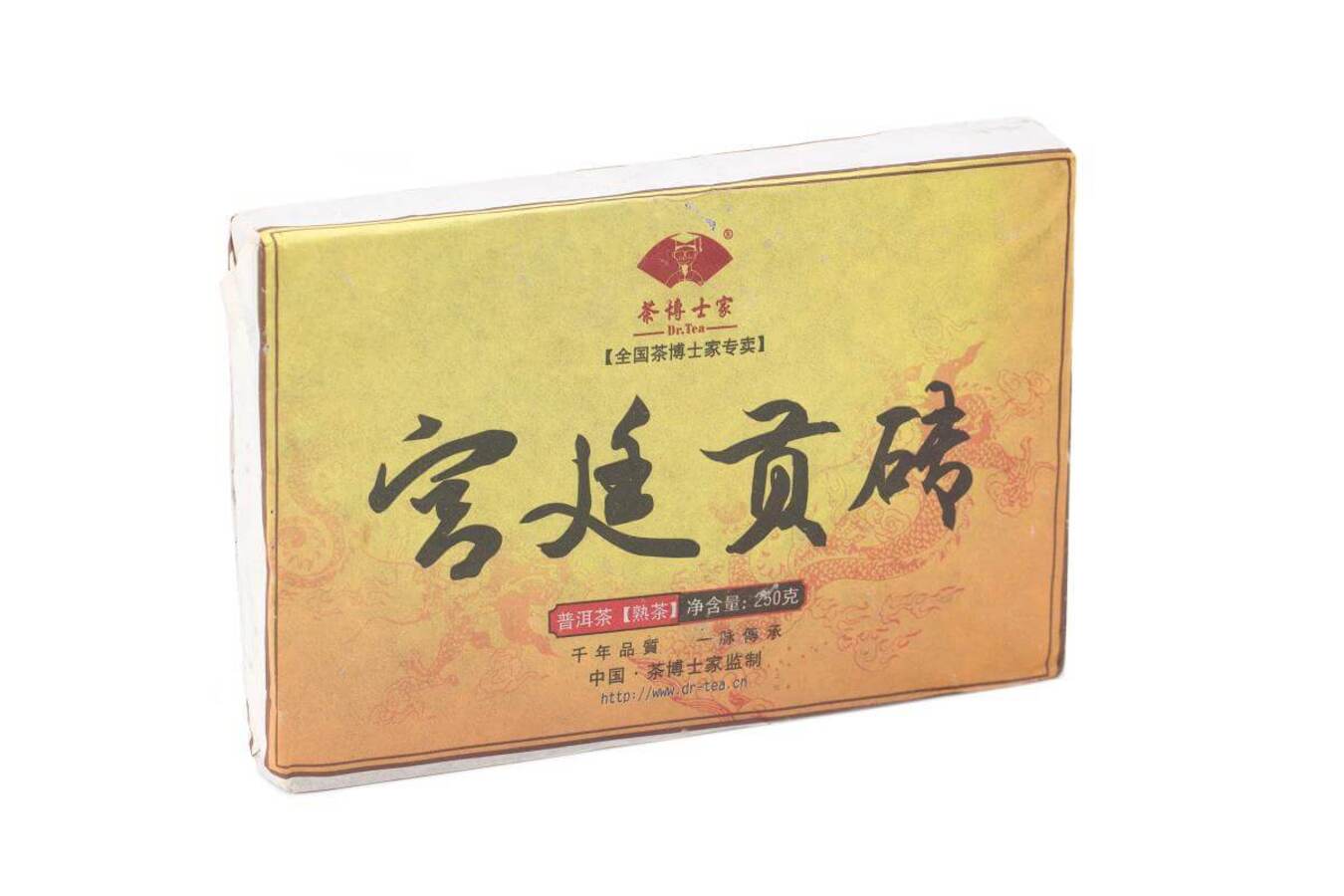
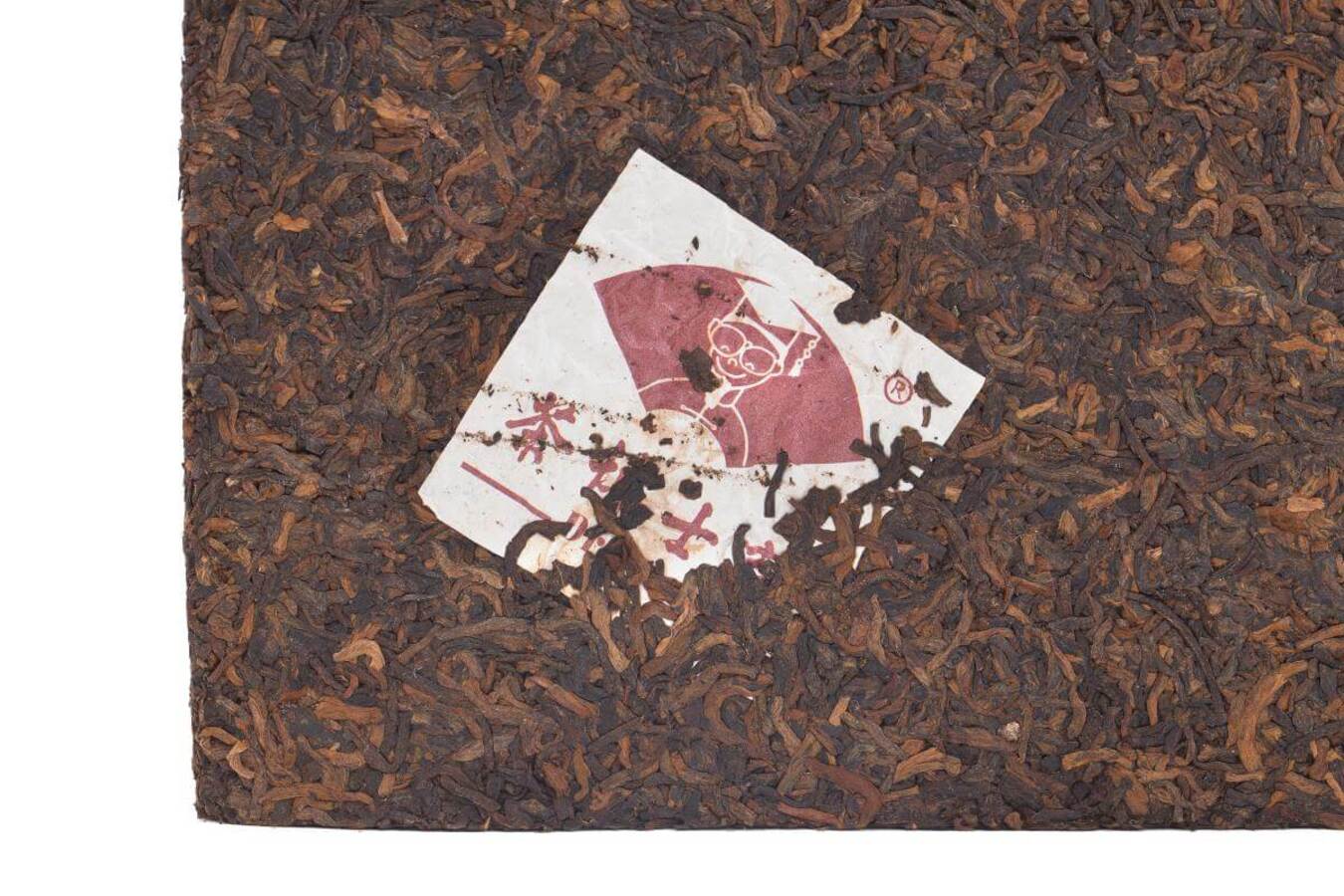
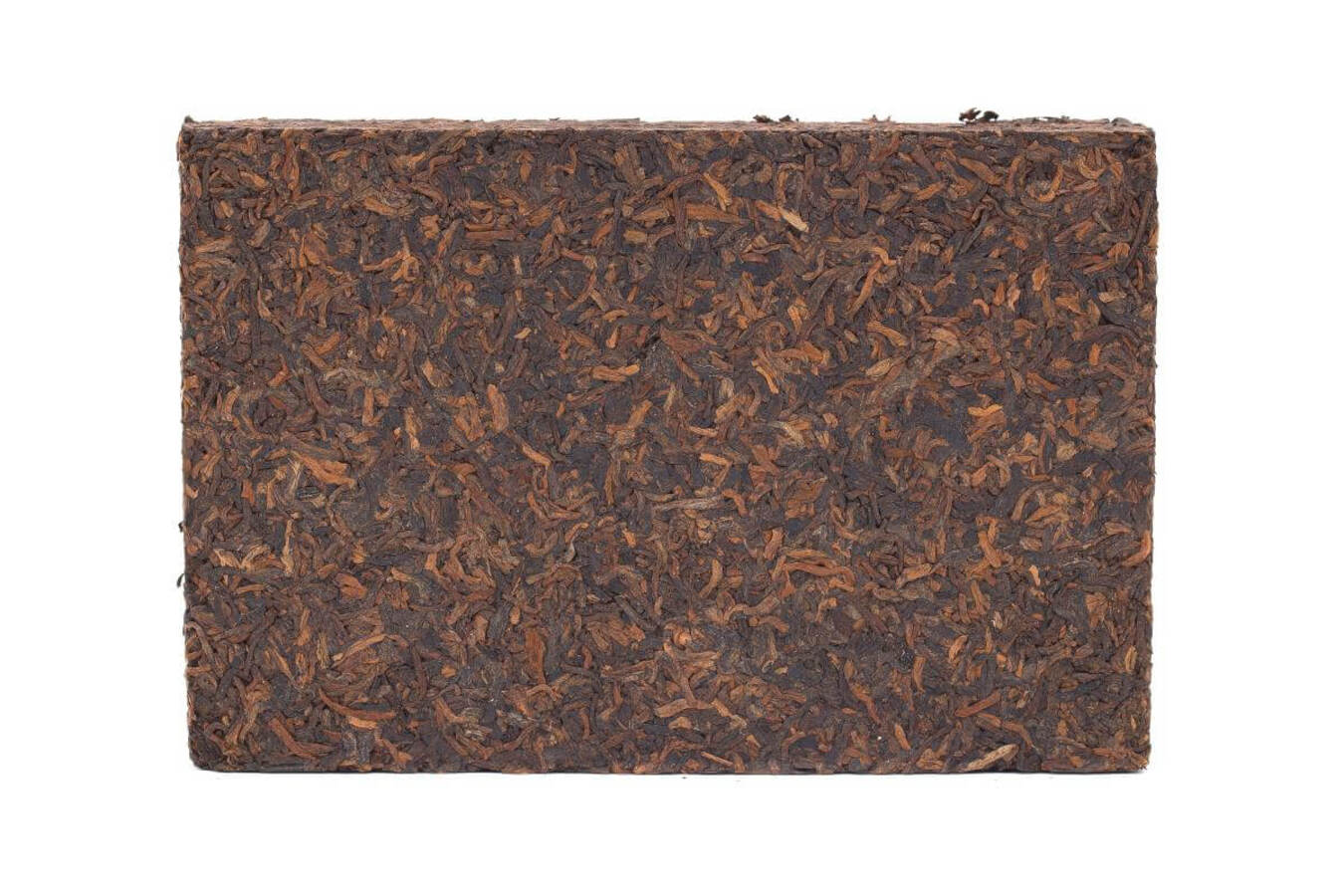
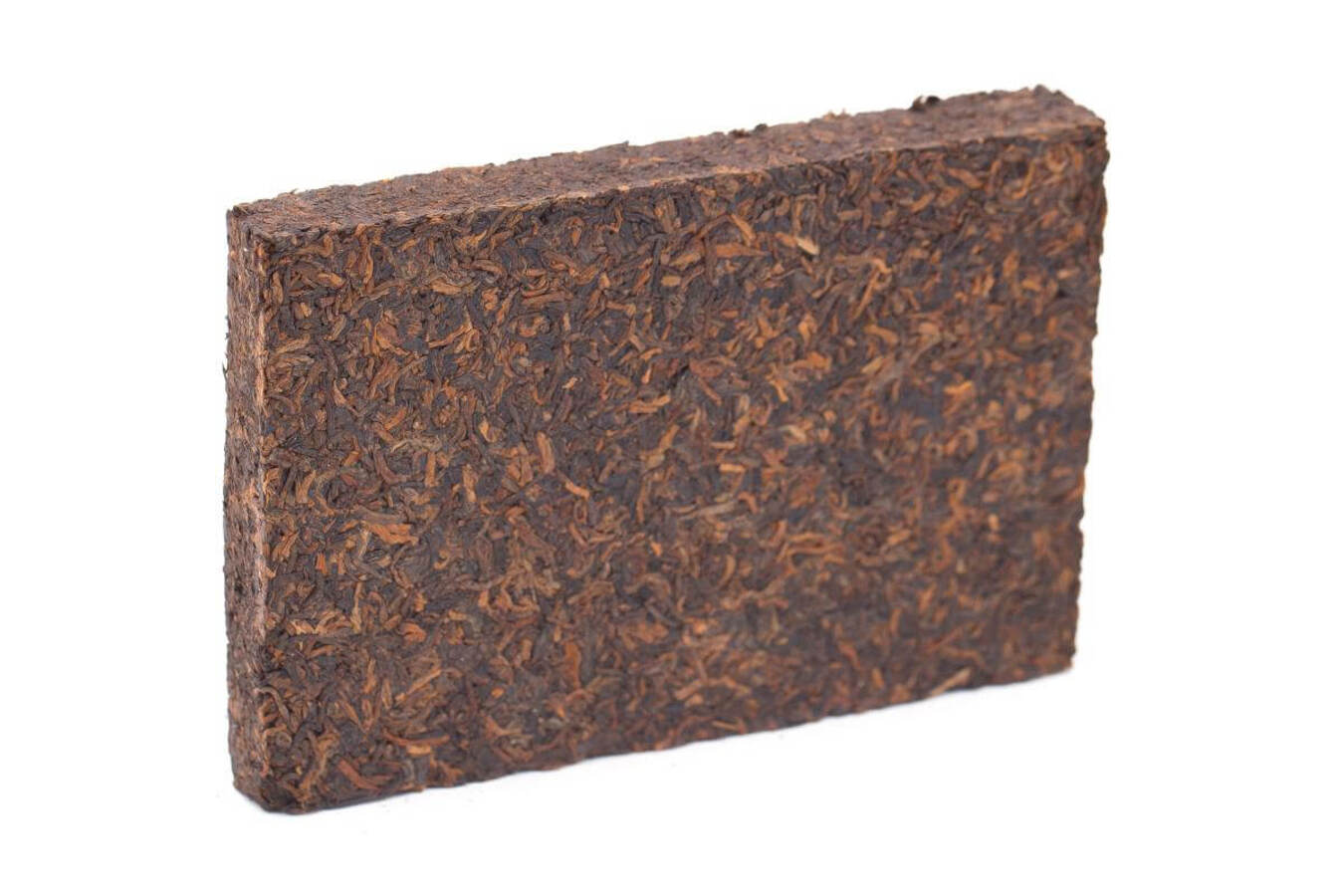
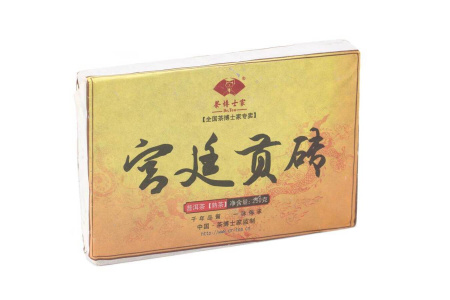
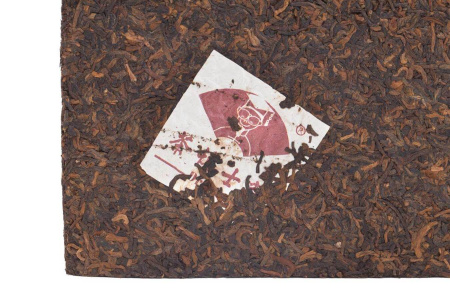
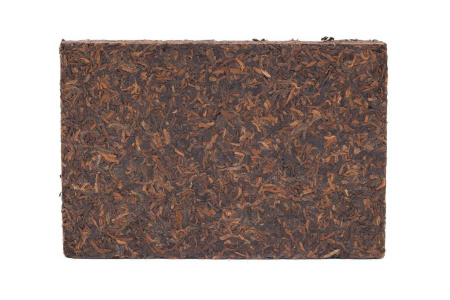
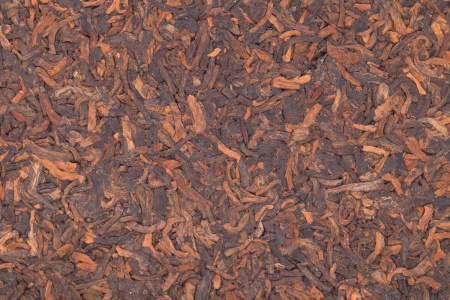
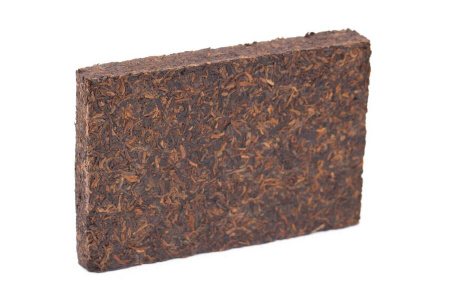
A very respectable "Gongting" pu-erh from the Chashuwan brewery, with a perfect tea state. The aroma, when warmed by breathing, is subtle and delicate, with subtle creamy notes.
After washing, the tea reveals aromas of fresh hazelnuts with creamy chocolate nuances.
The brewed tea's flavor is delicate and soft, balanced, and very rich. The taste reveals chocolate-nutty notes with a creamy undertone. There's no bitterness or astringency; the tea doesn't go oily, but presents itself as befits a classic, high-quality guntin.
This pu-erh tea can withstand up to nine steepings, maintaining both its flavor profile and the consistency of its infusion throughout the entire tea session. The aftertaste is light and unobtrusive, its thickness enveloping the entire mouth.
A thick-walled Yixing clay teapot or a gaiwan are both suitable for brewing. You can use a little more tea leaves than usual—this gong ting is difficult to over-steeple.
The tea is of very high quality - Shu Pu'er 2014 "Offering to the Emperor" acts gently, gradually awakens and creates the correct vector of directed attention, moderately tones and sets the mood for work.
Gongting "Offering to the Emperor" is an excellent choice for a morning pu-erh tea every day. It's gentle, gentle on the stomach, and allows for a smooth and measured transition into the day.
|
Name in Chinese
|
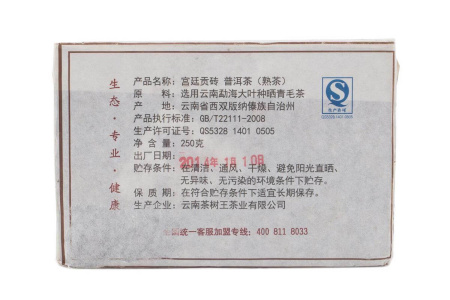
宫廷贡砖 普洱茶(熟茶) |
|
Pinyin
|
gōngtíng gòng zhuān pǔ'ěrchá (shúchá) |
|
Translation
|
Offering to the imperial court in the form of pressed pu'er bricks |
|
Country
|
China |
|
District
|
Xishuangbanna Dai Autonomous Prefecture |
|
Provinces
|
Yunnan (云南) |
|
Manufacturer
|
Чашуван (茶树王) |
|
Year of pressing
|
2014 |
|
Pressing form
|
Zhuan Cha (Brick Tea) |
- Reviews
- Vkontakte
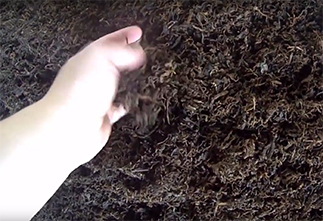

The question often arises: how to brew puerh correctly? Sometimes the phrase "to get high" is added to it. Moreover, everyone has their own understanding of this phrase. Some mean vigor, and some - intoxication. So how to brew puerh tea correctly? Let's consider several options.
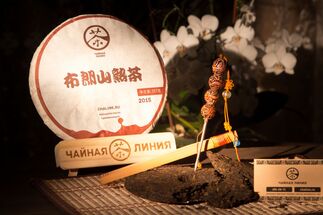
The tea ceremony occupies a special place in the centuries-old Eastern tradition. And although the essence of this phenomenon remains constant, the nature and external manifestations of the tea ceremony in different nations have their own national characteristics. In each Chinese province, the tea ceremony and the tea used in it are varied: for example, residents of the southern provinces prefer green tea, and residents of the northern provinces - red tea, in Fujian province they more often use Oolong tea, and in Yunnan province Puer tea is widely known.
Пиньин Yúnnán cháshù wáng cháyè yǒuxiàn gōngsī
Пер. «Юньнаньская чайная компания Король (Царь) чайных деревьев»
Need a consultation?
Our specialists will answer any question of interest


