






-
0 Saturation
-
0 Aftertaste
-
0 Aroma
-
0 Effect
-
0 Balance
-
0 Body
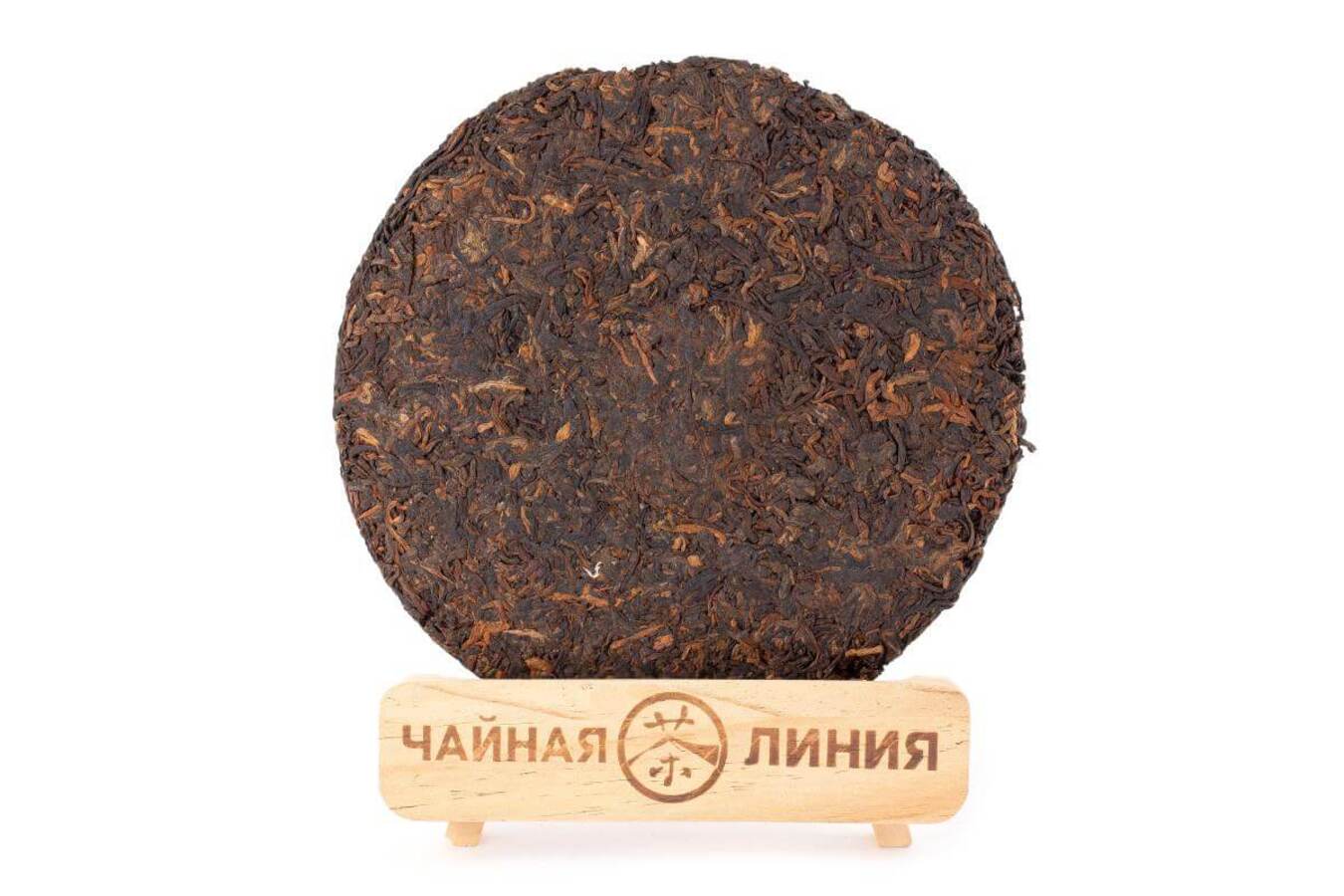
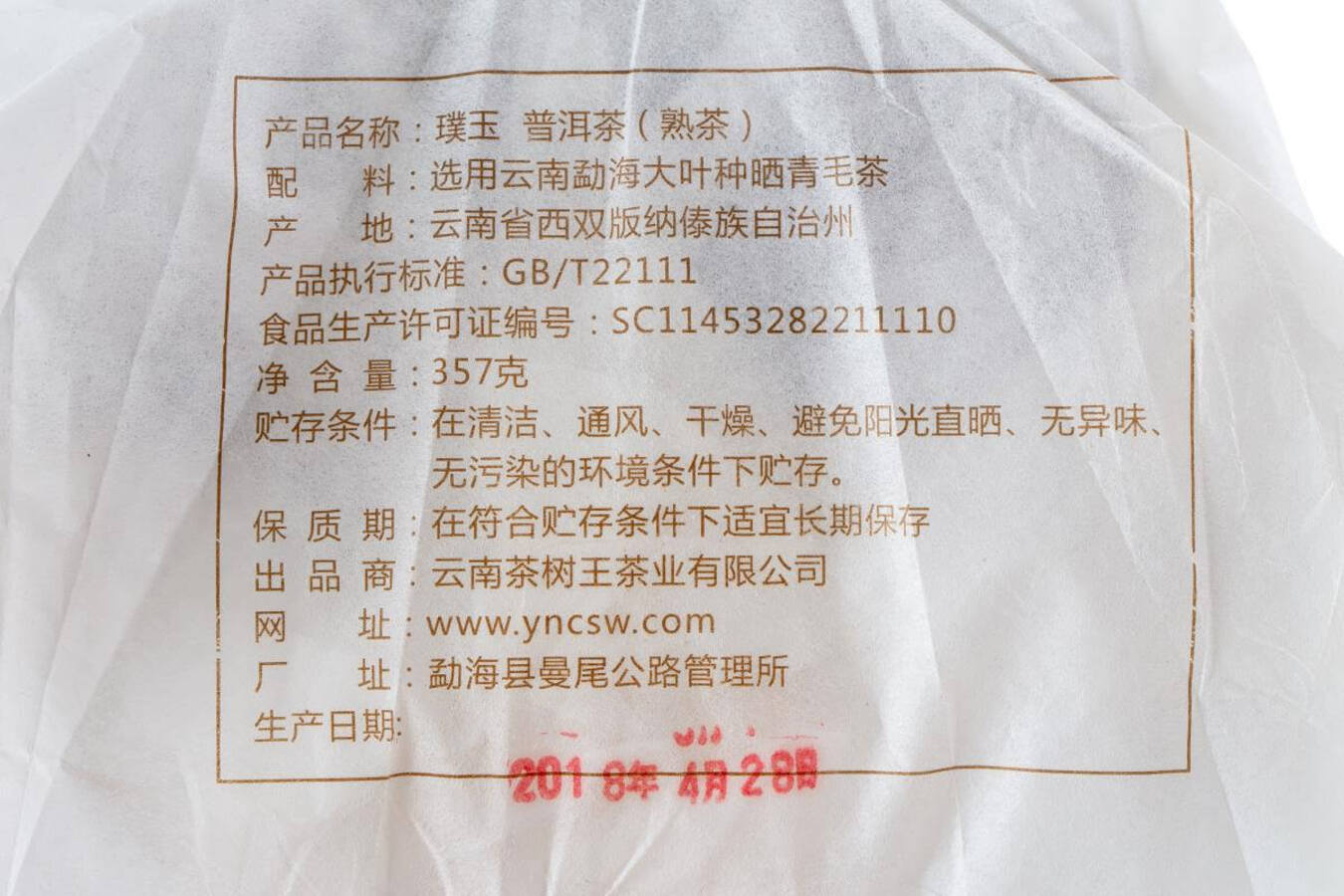
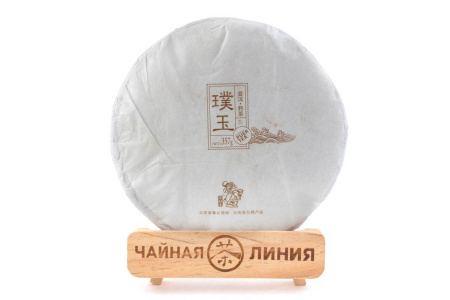
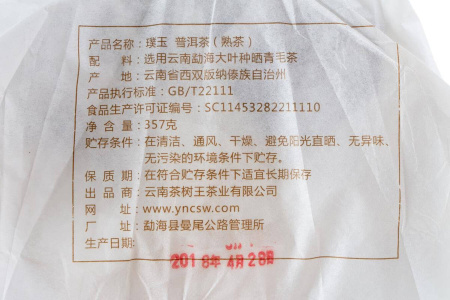
The name of Pu'er "Puyü" (Chinese: 璞玉, pinyin: púyù) is translated as "Rough gemstone", there is also a second, more poetic translation: "Not yet recognized talent".
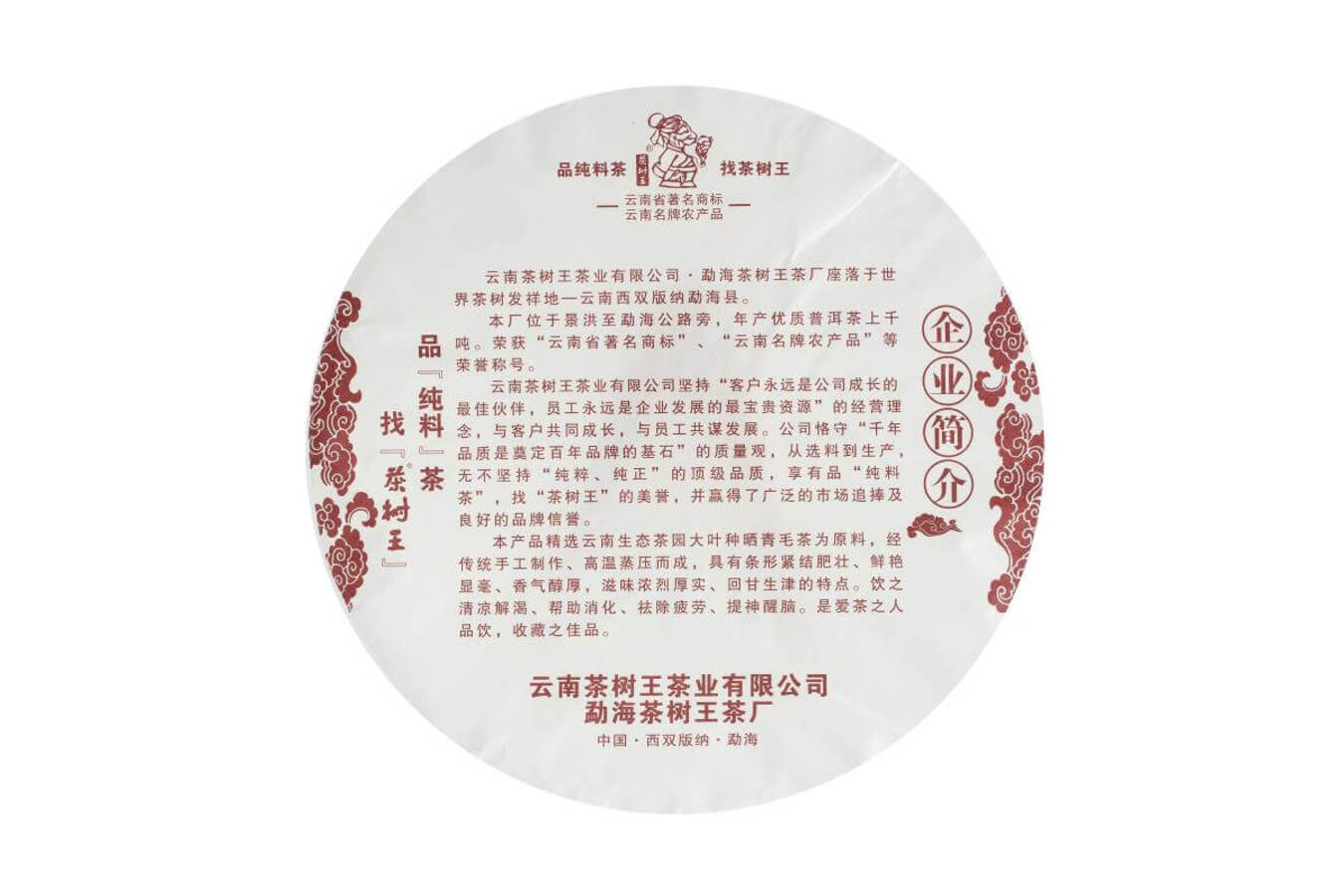
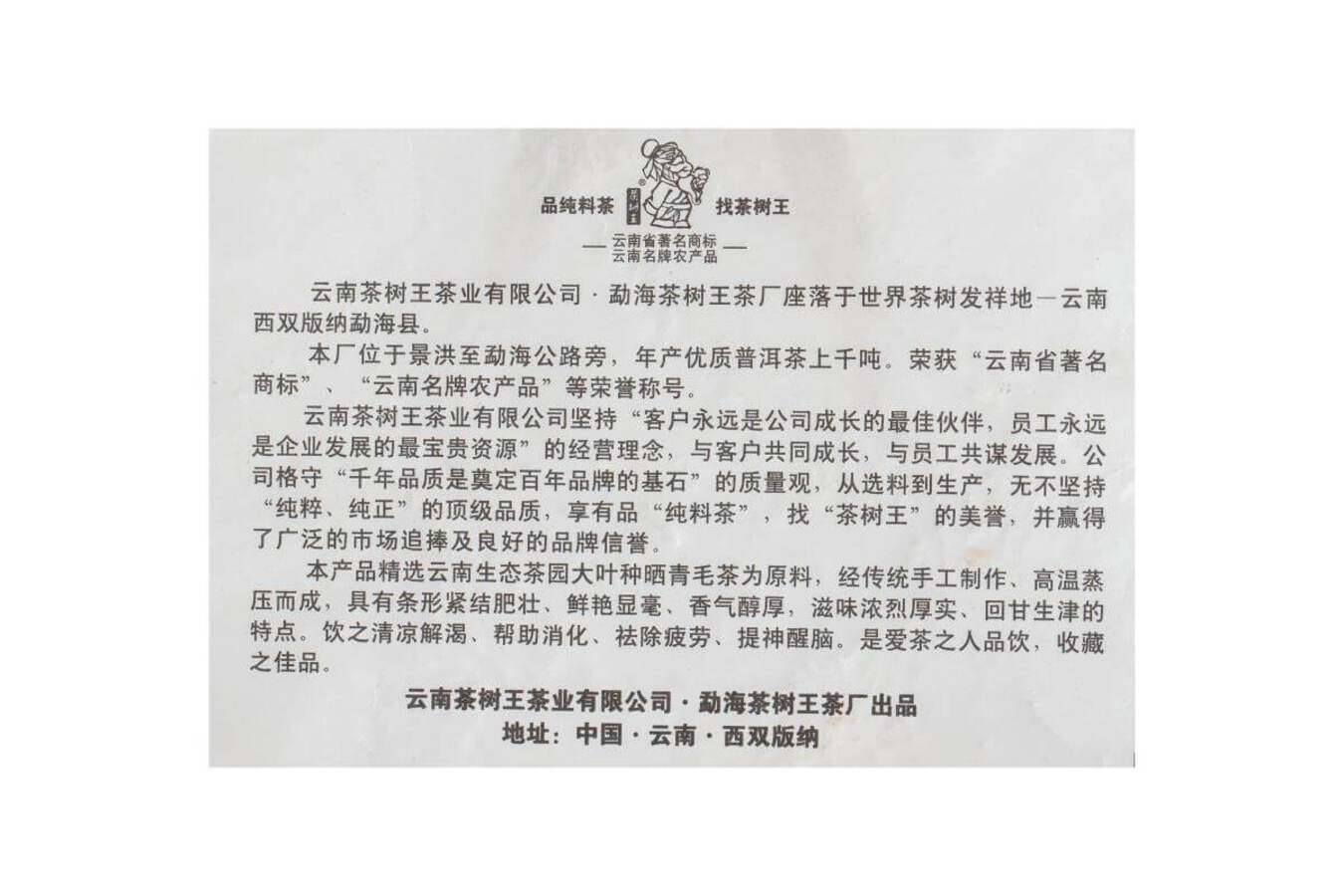
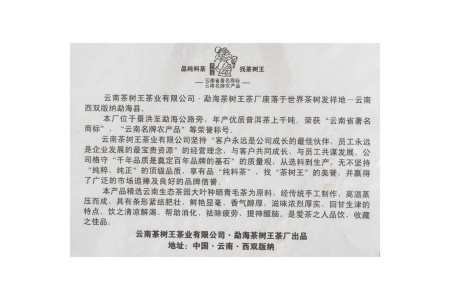
Manufacturer: Chashuwan Tea Company (Royal Tea Tree), Yunnan
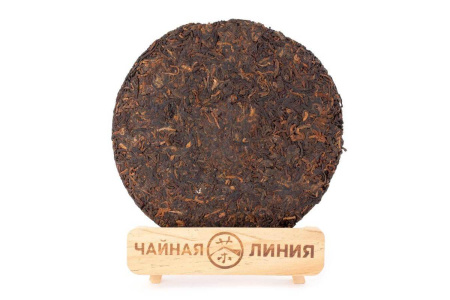
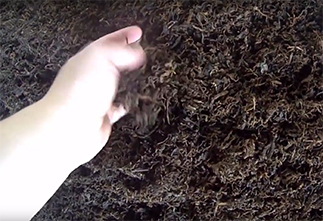
The aroma when warmed by breath is restrained, calm, dryish, with woody notes.
After rinsing, a warm, clean, straightforward aroma is revealed with creamy woody notes and hints of toffee.
The brewed tea's flavor is soft, velvety, creamy, woody, and nutty, smoothing down the throat and pleasantly moisturizing. It fully unfolds after the third steep.
The aftertaste is melodic, sweetish with creamy and nutty nuances.
A gaiwan or Yixing clay teapot is suitable for brewing; the latter will bring out the best in the tea. The ratio is 8-10 grams of pu-erh tea per 100 ml of boiling water, using quick steeps.
This pu-erh has a good tonic effect, warms the whole body, gives strength, and concentrates attention.
It will be good for morning tea, since it is not brewed too strong and does not turn into “oil”.
|
Name in Chinese
|
璞玉 |
|
Pinyin
|
púyù |
|
Translation
|
Rough Gem (Unrecognized Talent) |
|
Country
|
China |
|
District
|
Xishuangbanna Dai Autonomous Prefecture |
|
Provinces
|
Yunnan (云南) |
|
Manufacturer
|
Чашуван (茶树王) |
|
Year of pressing
|
2018 |
|
Pressing form
|
Bing Cha (Cake Tea) |
- Reviews
- Vkontakte

The question often arises: how to brew puerh correctly? Sometimes the phrase "to get high" is added to it. Moreover, everyone has their own understanding of this phrase. Some mean vigor, and some - intoxication. So how to brew puerh tea correctly? Let's consider several options.
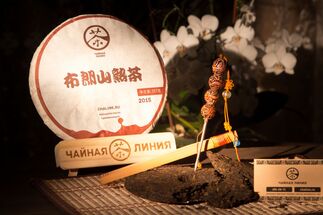
The tea ceremony occupies a special place in the centuries-old Eastern tradition. And although the essence of this phenomenon remains constant, the nature and external manifestations of the tea ceremony in different nations have their own national characteristics. In each Chinese province, the tea ceremony and the tea used in it are varied: for example, residents of the southern provinces prefer green tea, and residents of the northern provinces - red tea, in Fujian province they more often use Oolong tea, and in Yunnan province Puer tea is widely known.
Пиньин Yúnnán cháshù wáng cháyè yǒuxiàn gōngsī
Пер. «Юньнаньская чайная компания Король (Царь) чайных деревьев»
Need a consultation?
Our specialists will answer any question of interest


