



-
0 Saturation
-
0 Aftertaste
-
0 Aroma
-
0 Effect
-
0 Balance
-
0 Body
|
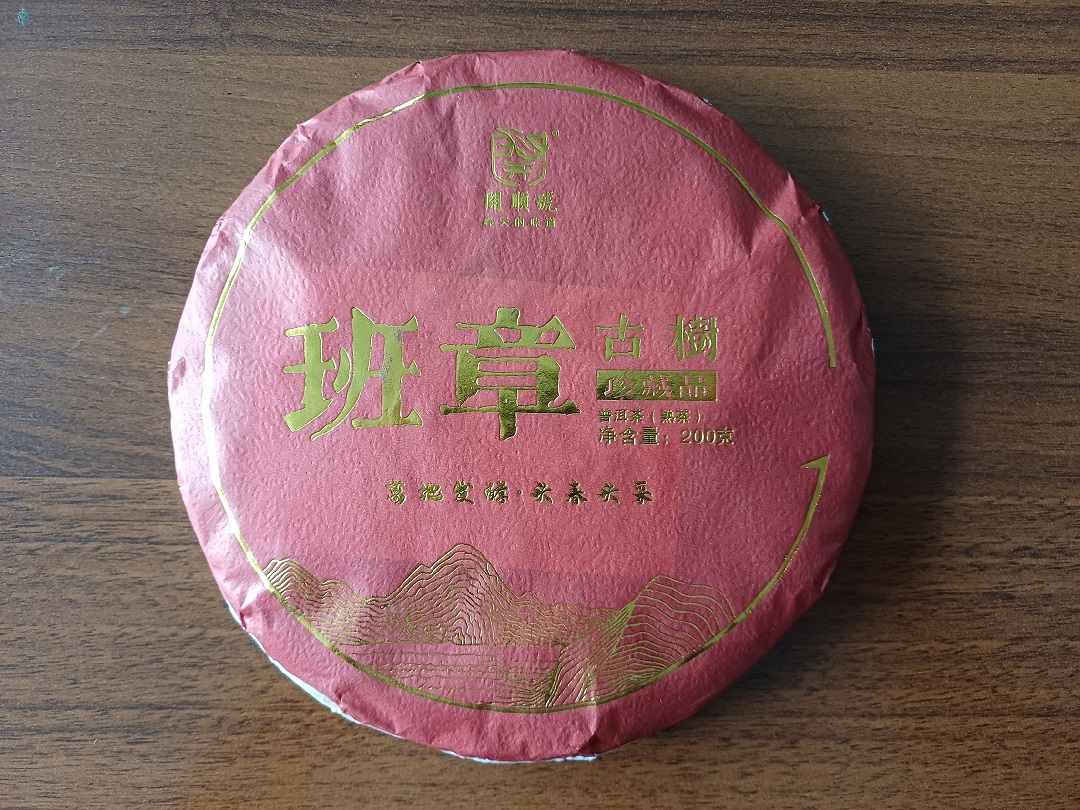
Name in Chinese
|
板章古树 |
|
Pinyin
|
Bǎn zhāng gǔ shù |
|
Translation
|
Banzhang gushu |
|
Country
|
China |
|
Habitat
|
Баньчжан (班章, Bān zhāng) |
|
Manufacturer
|
Кайшуньхао (开顺号) |
|
Date of raw material production
|
December 4, 2020 |
|
Year of pressing
|
2020 |
|
Pressing form
|
Bing Cha (Cake Tea) |
|
Declared weight, g
|
200 |
|
Fermentation method
|
With a lift-off from the ground |
|
Type of tea raw material
|
Ancient trees (over 500 years old) |
- Reviews
- Vkontakte
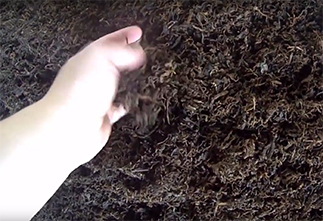

The question often arises: how to brew puerh correctly? Sometimes the phrase "to get high" is added to it. Moreover, everyone has their own understanding of this phrase. Some mean vigor, and some - intoxication. So how to brew puerh tea correctly? Let's consider several options.

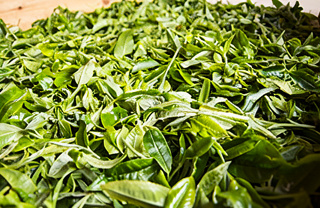
There are only a few places in China that can lay claim to producing the best tea on Earth. One of them is the village of Lao Ban Zhang (Chinese: 老班章, pinyin: lǎobānzhāng), lost in the mountains of Yunnan Province. The sheng pu'er grown here was traditionally served to emperors, and was later presented as a gift to Mao Zedong, who was known as a true connoisseur and lover of tea.
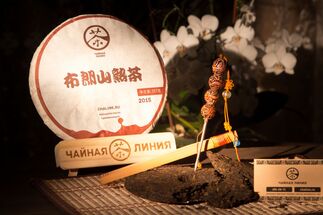
The tea ceremony occupies a special place in the centuries-old Eastern tradition. And although the essence of this phenomenon remains constant, the nature and external manifestations of the tea ceremony in different nations have their own national characteristics. In each Chinese province, the tea ceremony and the tea used in it are varied: for example, residents of the southern provinces prefer green tea, and residents of the northern provinces - red tea, in Fujian province they more often use Oolong tea, and in Yunnan province Puer tea is widely known.


