




-
8 Saturation
-
8 Aftertaste
-
8 Aroma
-
9 Effect
-
7 Balance
-
7 Body
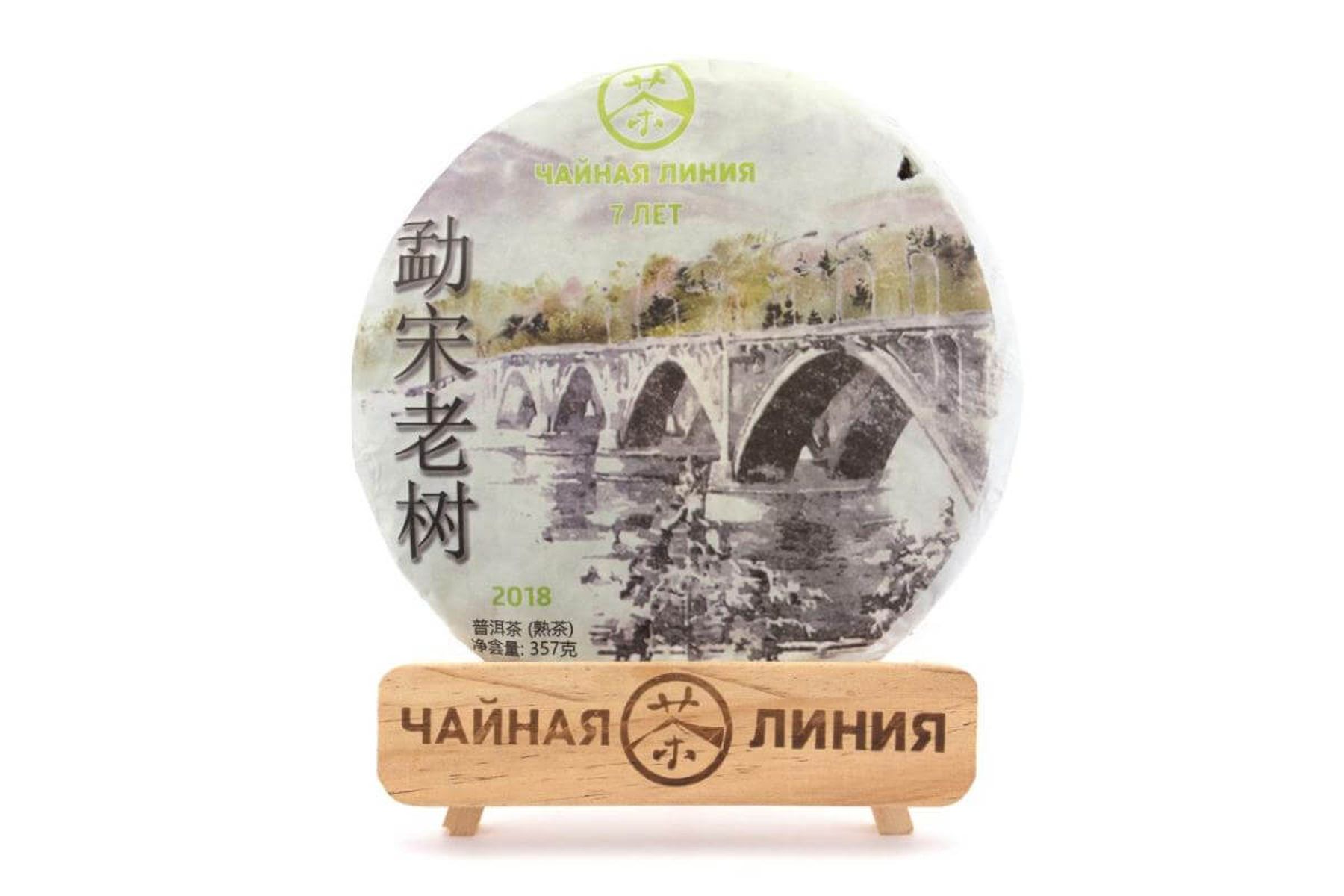
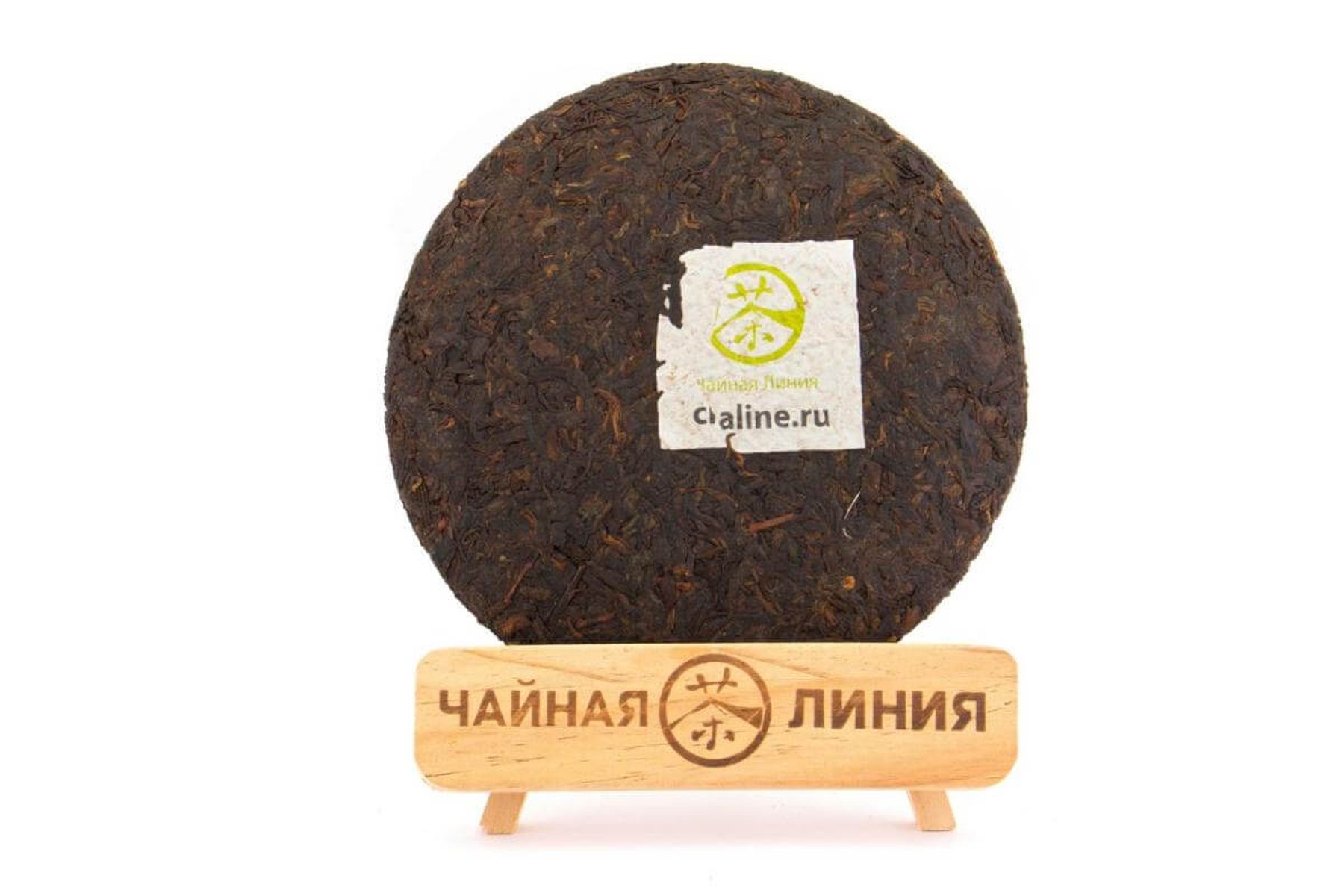
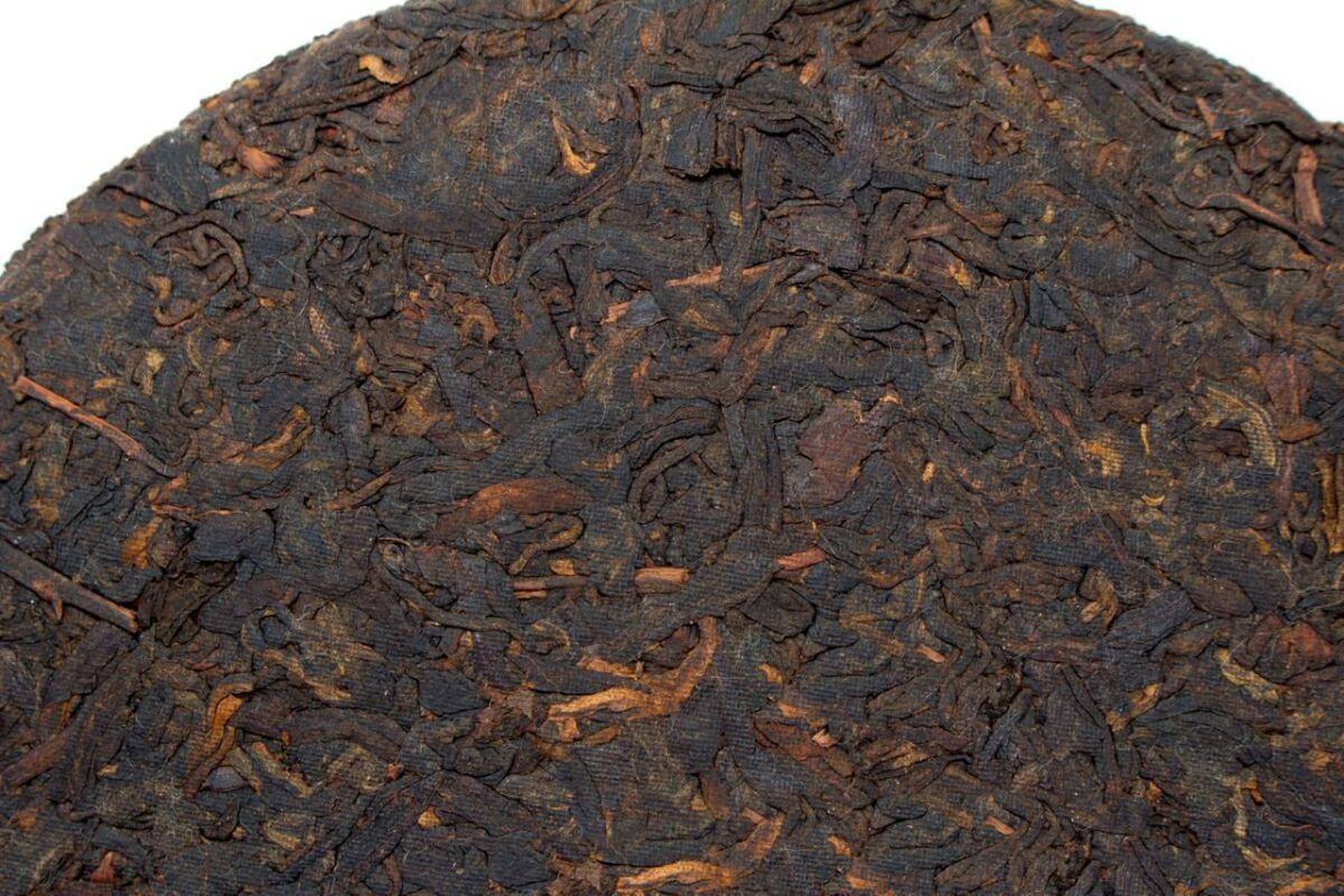
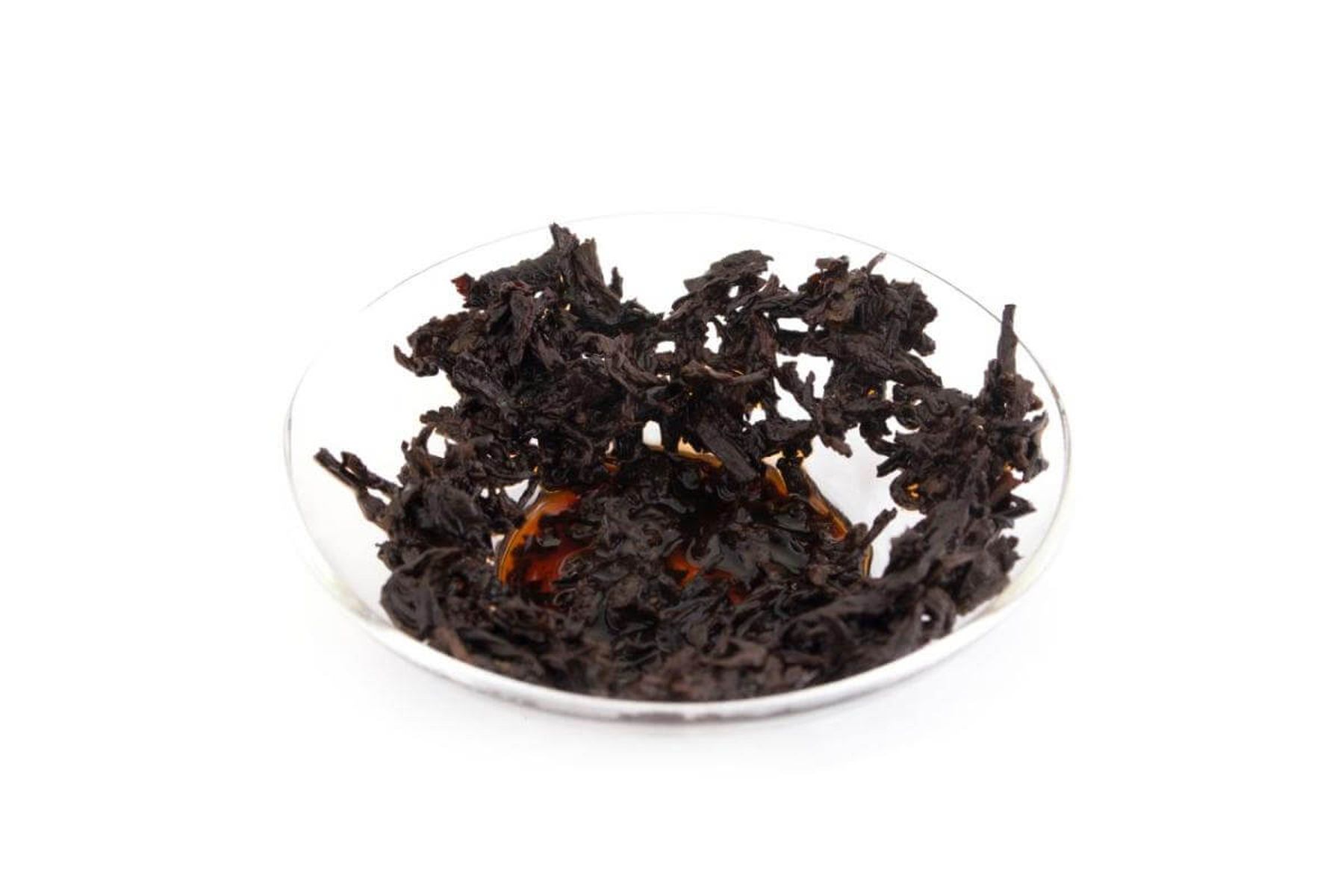
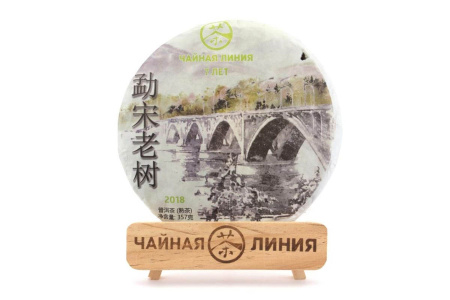
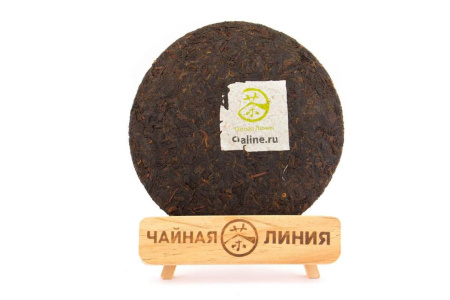
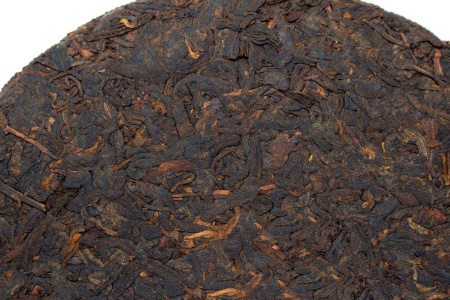
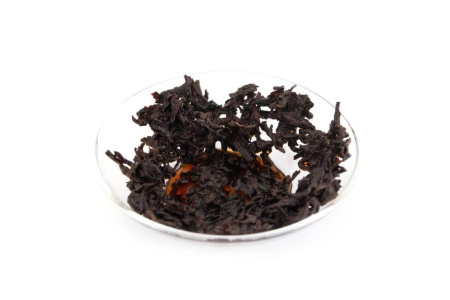
The pancake is not pressed hard enough, so the consistency of the tea leaves remains intact when broken. The aroma of the dry tea is discreet and subtle, with sweet and spicy notes. The washed tea leaves have a rich, creamy aroma with a slight tartness, with hints of tree bark and cottage cheese casserole with nuts.
The flavor of the brewed tea reveals sweet homemade pastries, burnt caramel, figs, prunes, and hazelnuts. The infusion is viscous, oily, and soft. By the fourth steeping, the creamy caramel notes give way to woody, nutty ones. Here, you'll find glazed hazelnuts, cocoa beans, and dry tree bark. The finish is airy and slightly sweet, with hints of cottage cheese casserole and hazelnuts.
5-7 grams of pu-erh tea leaves taken in a 150 ml Yixing clay teapot gave 6 full steeps.
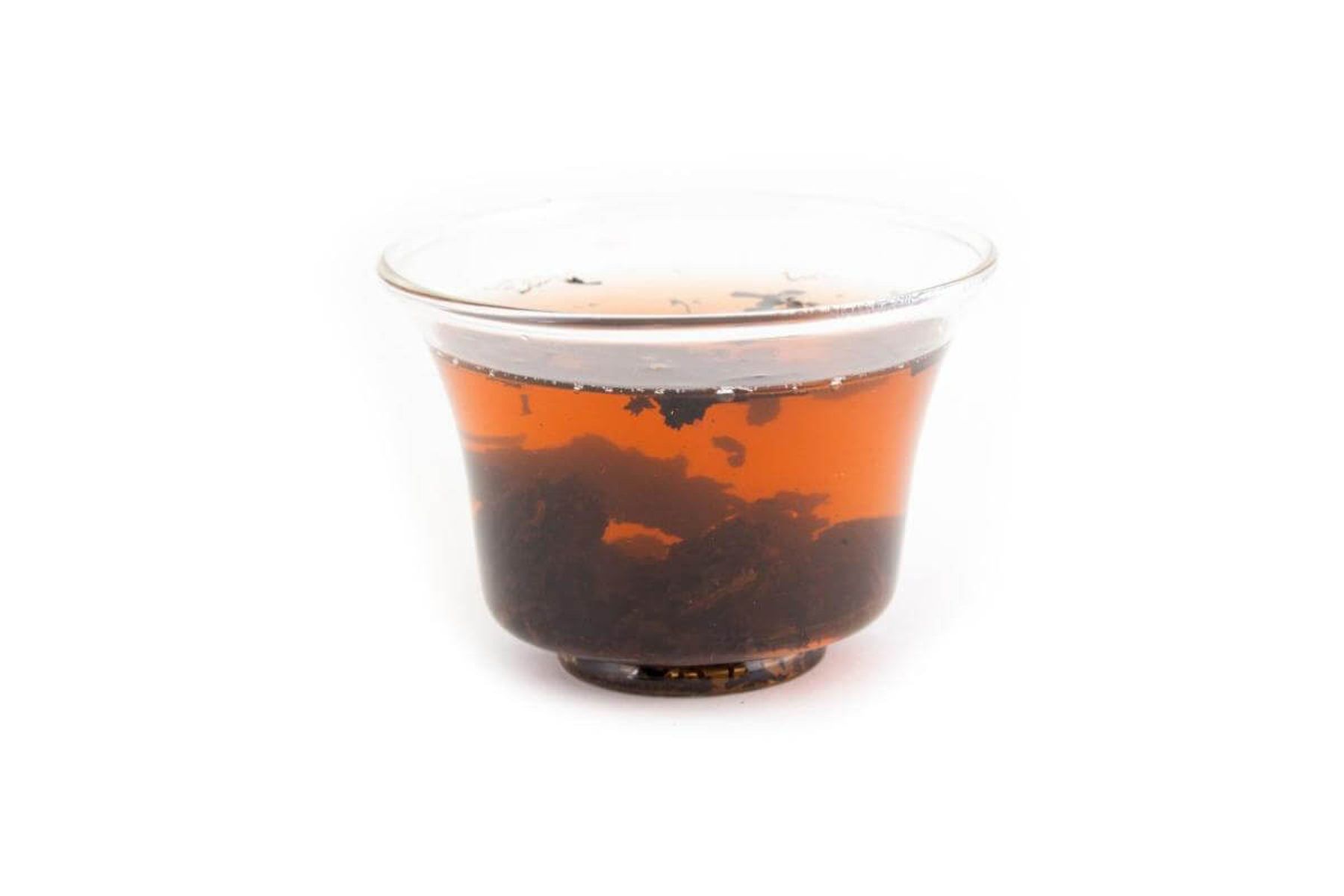
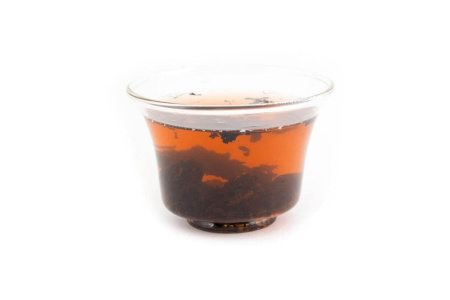
The infusion is dark red-brown with a noticeable burgundy hue. The infusion is clear and uniform.
Drinking Mengsong Laoshu shu pu-erh tea has a powerful and long-lasting effect. Aged tea trees have accumulated Cha Qi (tea energy) for years. The tea lifts the mood, improves concentration, and helps one see the world through a lens of positivity, self-confidence, and calm. By the end of the session, it imbues the body with powerful energy, stimulating one to action.
This shu pu-erh tea makes a great gift for both experienced tea lovers and beginners. It offers a wonderful combination of creamy and woody notes, high-quality raw materials, and a powerful effect.
|
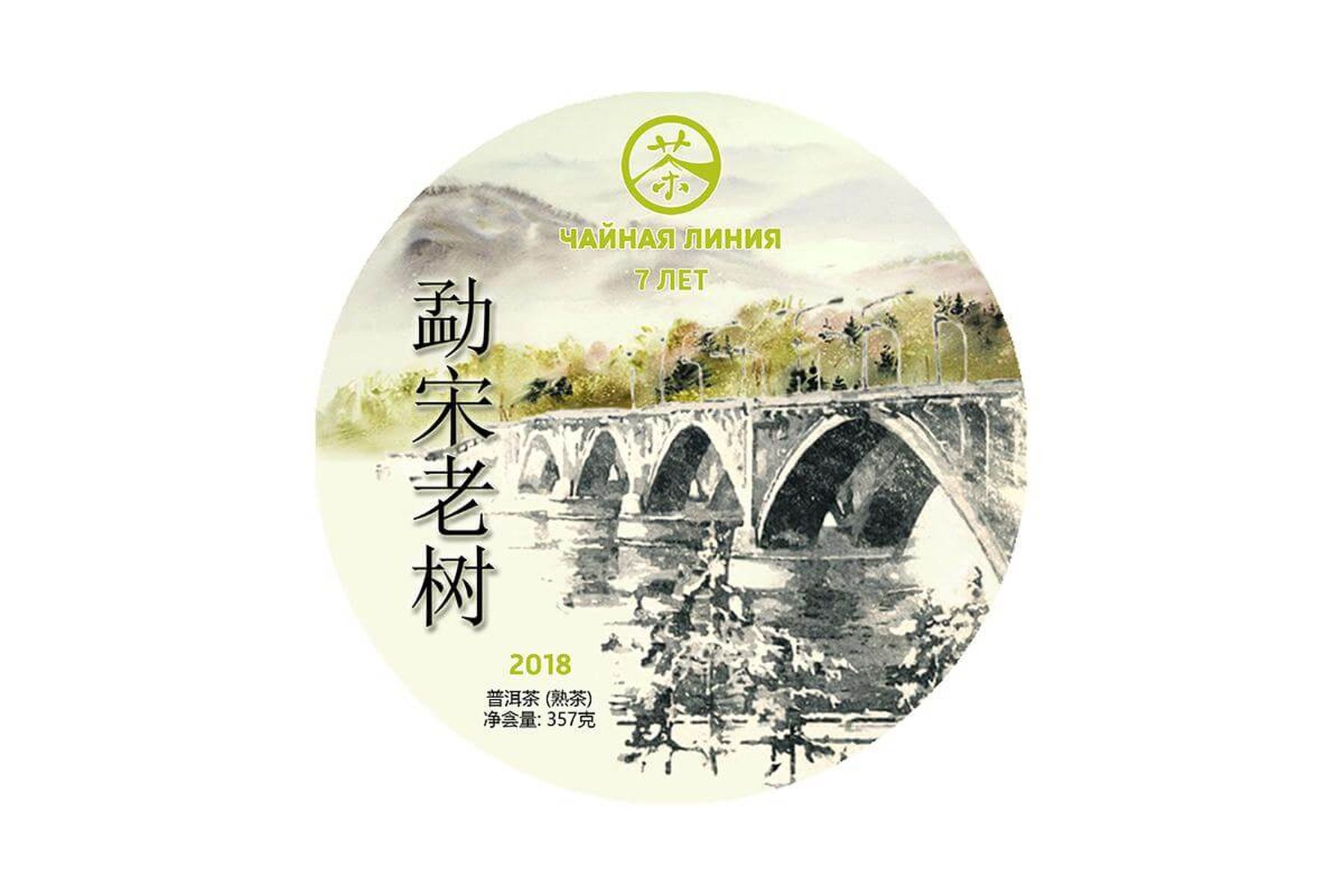
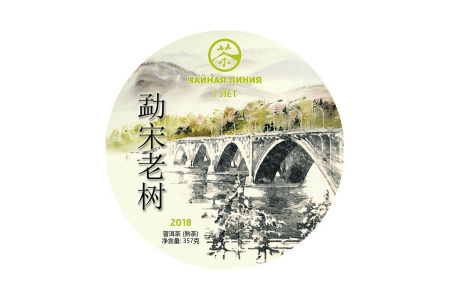
Name in Chinese
|
勐宋老树 |
|
Pinyin
|
měngsòng lǎoshù |
|
Translation
|
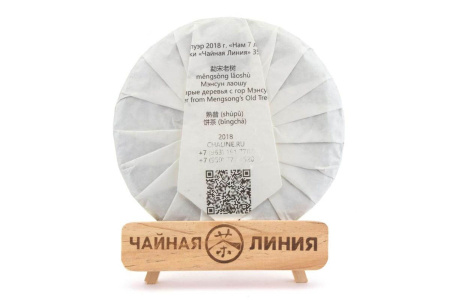
Old trees from Mengsun |
|
Country
|
China |
|
District
|
Xishuangbanna Dai Autonomous Prefecture |
|
Provinces
|
Yunnan (云南) |
|
Manufacturer
|
ООО "Чайная Линия" |
|
Date of raw material production
|
2018 |
|
Year of pressing
|
2018 |
|
Pressing form
|
Bing Cha (Cake Tea) |
|
Fermentation method
|
In heaps |
|
Type of tea raw material
|
Old trees (300-500 years) |
- Reviews
- Vkontakte
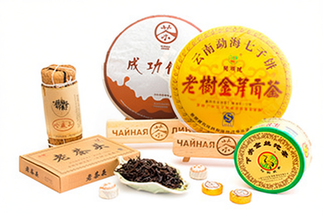
Over time, some consumers who are part of the country's "tea elite" discover mainland Chinese tea. And only a few get acquainted with Taiwanese varieties. The path of a tea person is usually long and thorny, but ultimately it leads to the King of Teas - puer. But not everyone is able to go all the way from ordinary teas to puer and appreciate its qualities.
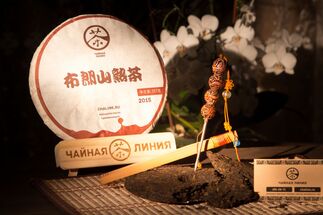
The tea ceremony occupies a special place in the centuries-old Eastern tradition. And although the essence of this phenomenon remains constant, the nature and external manifestations of the tea ceremony in different nations have their own national characteristics. In each Chinese province, the tea ceremony and the tea used in it are varied: for example, residents of the southern provinces prefer green tea, and residents of the northern provinces - red tea, in Fujian province they more often use Oolong tea, and in Yunnan province Puer tea is widely known.
Need a consultation?
Our specialists will answer any question of interest


