




-
9 Saturation
-
10 Aftertaste
-
10 Aroma
-
7 Effect
-
9 Balance
-
9 Body
|
Name in Chinese
|
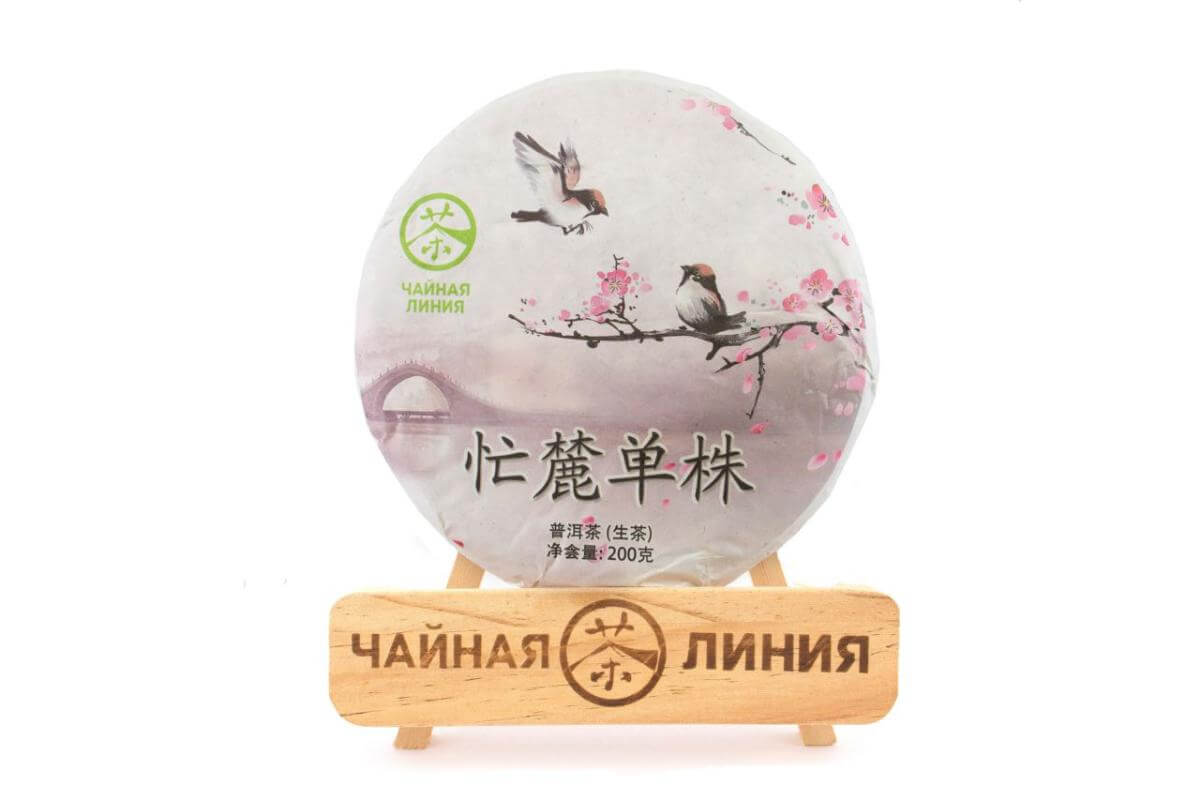
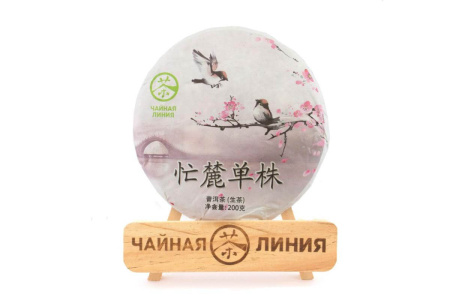
忙麓单株茶 |
|
Pinyin
|
mánglù dānzhū chá |
|
Translation
|
Single Tree Tea from Manlu |
|
Country
|
China |
|
District
|
Lincang |
|
Provinces
|
Yunnan (云南) |
|
Habitat
|
Манлу (忙麓, Máng lù) |
|
Manufacturer
|
ООО "Чайная Линия" |
|
Date of raw material production
|
2020 |
|
Year of pressing
|
2020 |
|
Declared weight, g
|
200 |
|
Fermentation method
|
Natural |
|
Type of tea raw material
|
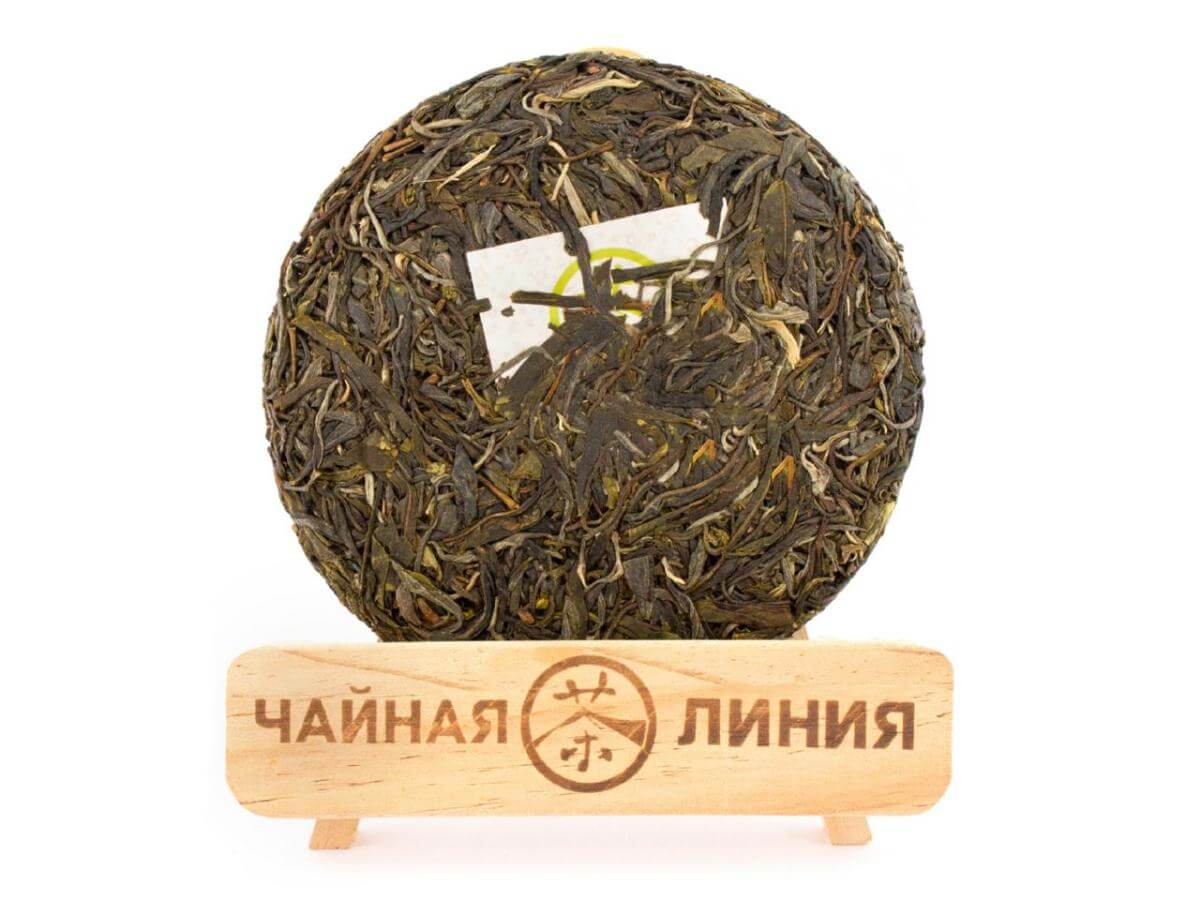
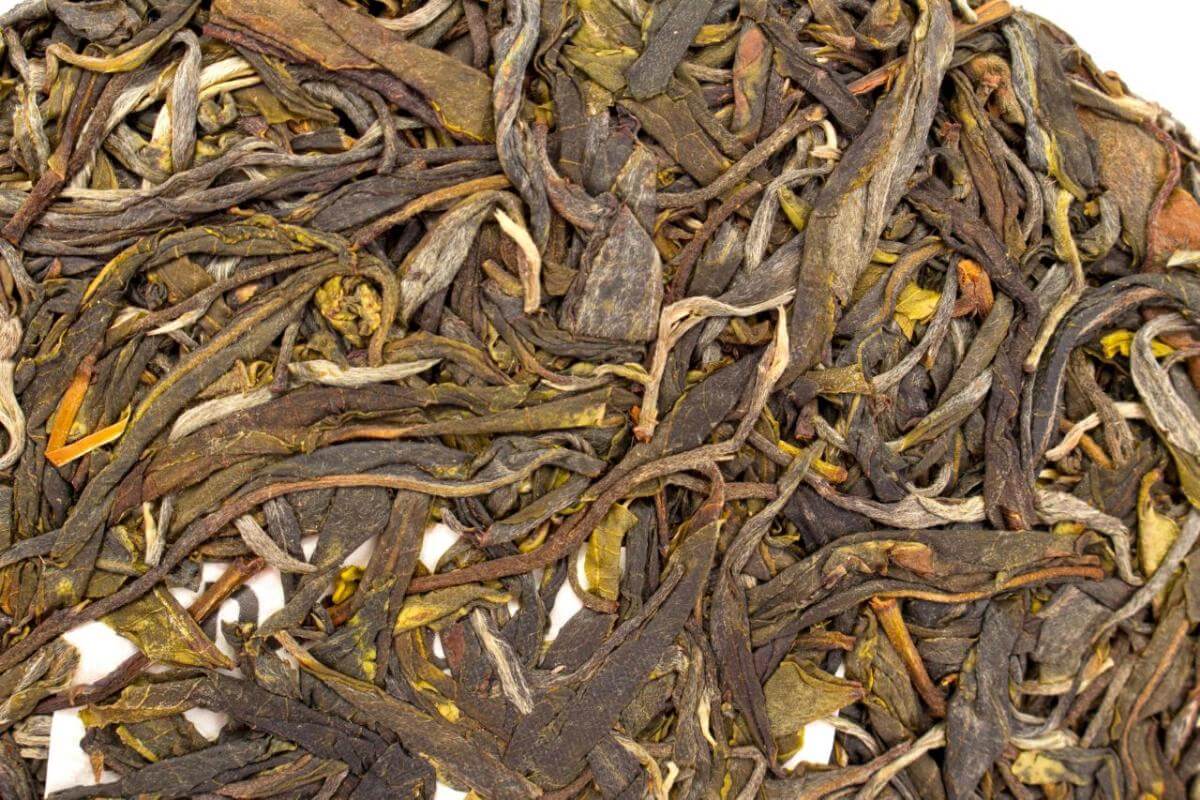
Ancient trees (over 500 years old) |
|
The tea is suitable.
|
for skin rejuvenation, for the tea ceremony (ceremonial), for weight loss |
- Reviews
- Vkontakte
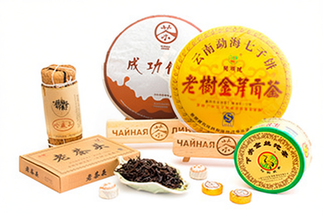
Over time, some consumers who are part of the country's "tea elite" discover mainland Chinese tea. And only a few get acquainted with Taiwanese varieties. The path of a tea person is usually long and thorny, but ultimately it leads to the King of Teas - puer. But not everyone is able to go all the way from ordinary teas to puer and appreciate its qualities.
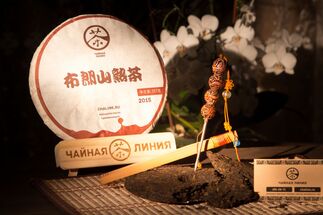
The tea ceremony occupies a special place in the centuries-old Eastern tradition. And although the essence of this phenomenon remains constant, the nature and external manifestations of the tea ceremony in different nations have their own national characteristics. In each Chinese province, the tea ceremony and the tea used in it are varied: for example, residents of the southern provinces prefer green tea, and residents of the northern provinces - red tea, in Fujian province they more often use Oolong tea, and in Yunnan province Puer tea is widely known.
Need a consultation?
Our specialists will answer any question of interest


