





-
0 Saturation
-
0 Aftertaste
-
0 Aroma
-
0 Effect
-
0 Balance
-
0 Body
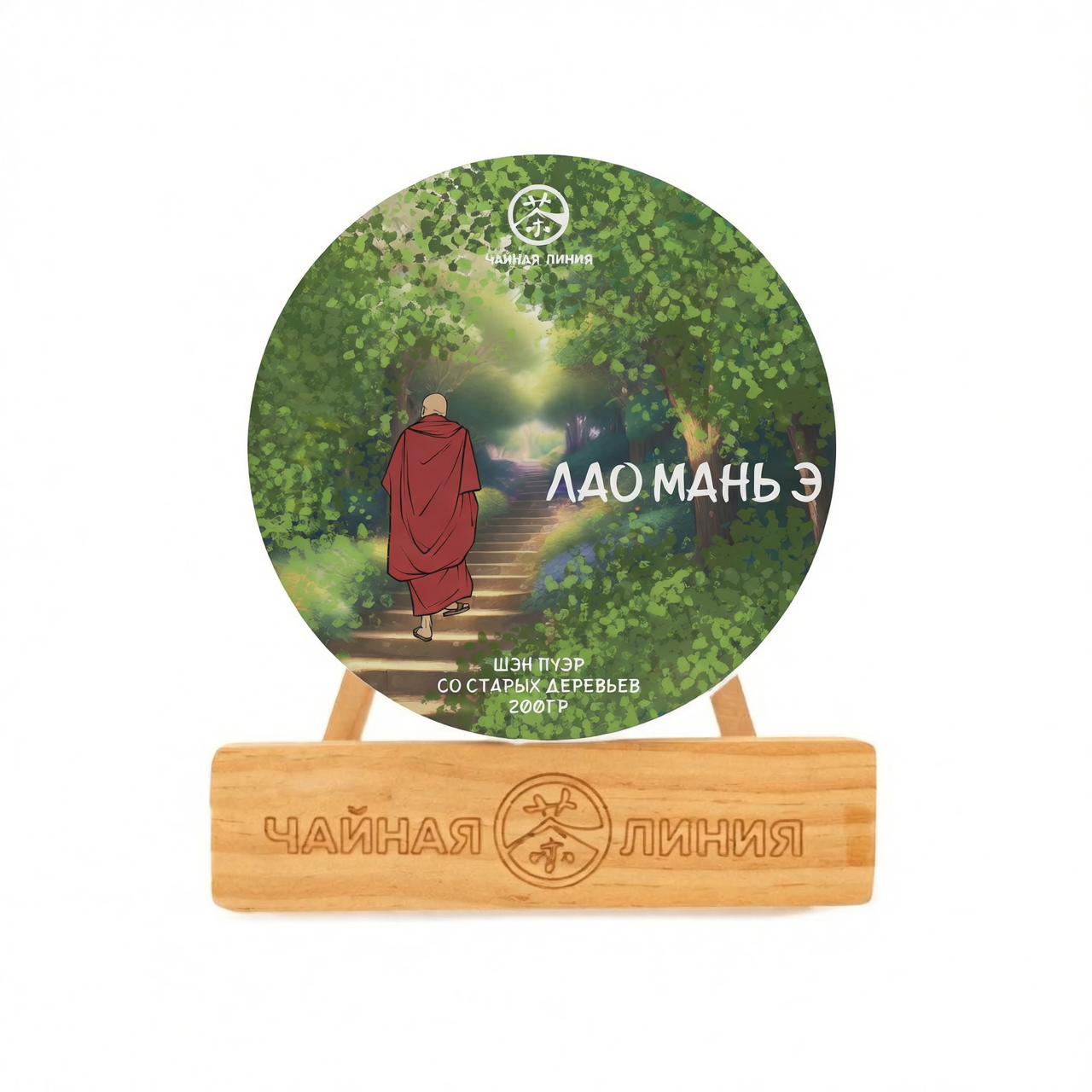
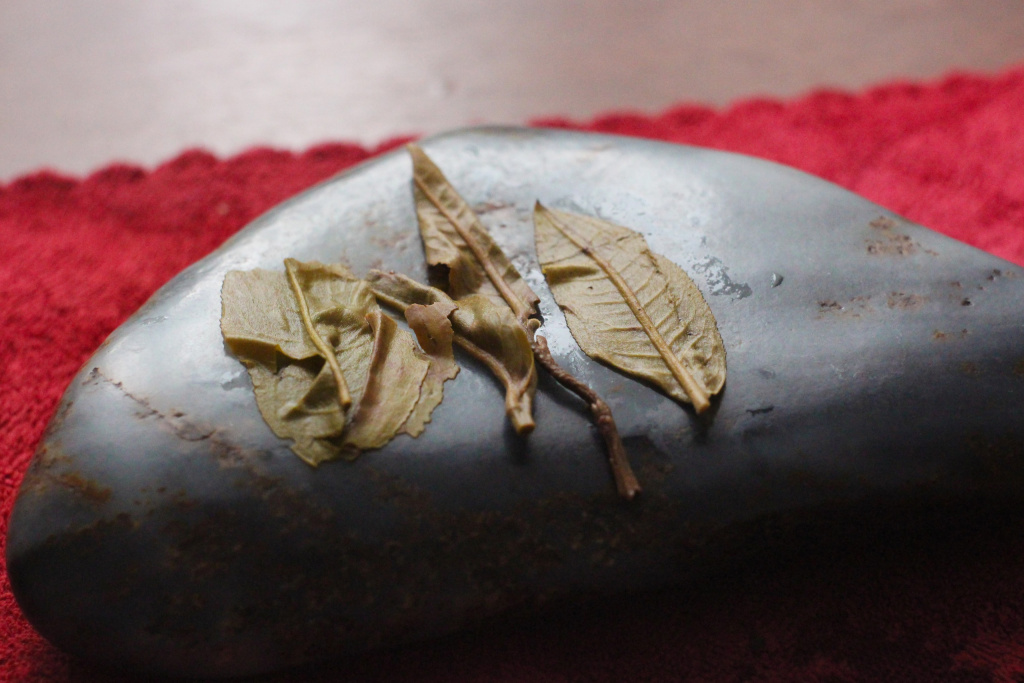
The raw materials used for production were collected from old trees (up to 200 years old) in the Bulan Mountains near the village of Laoman'e and processed by master Yan Wenjiao (Chinese: 岩温叫, pinyin: yán wēnjiào).

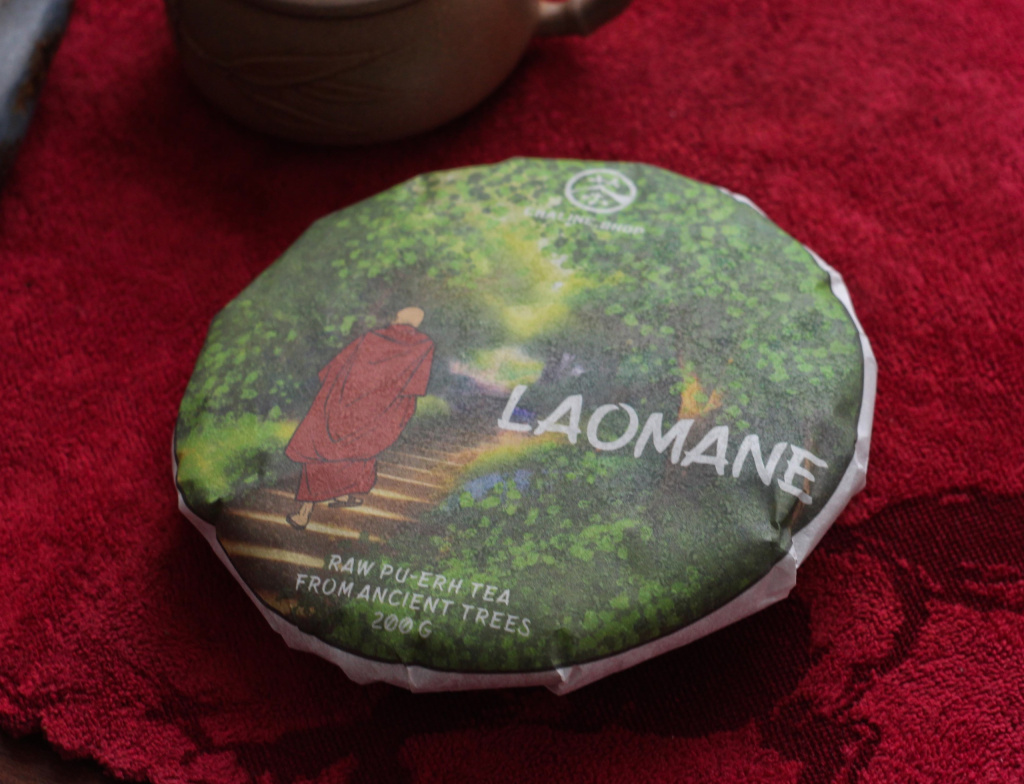
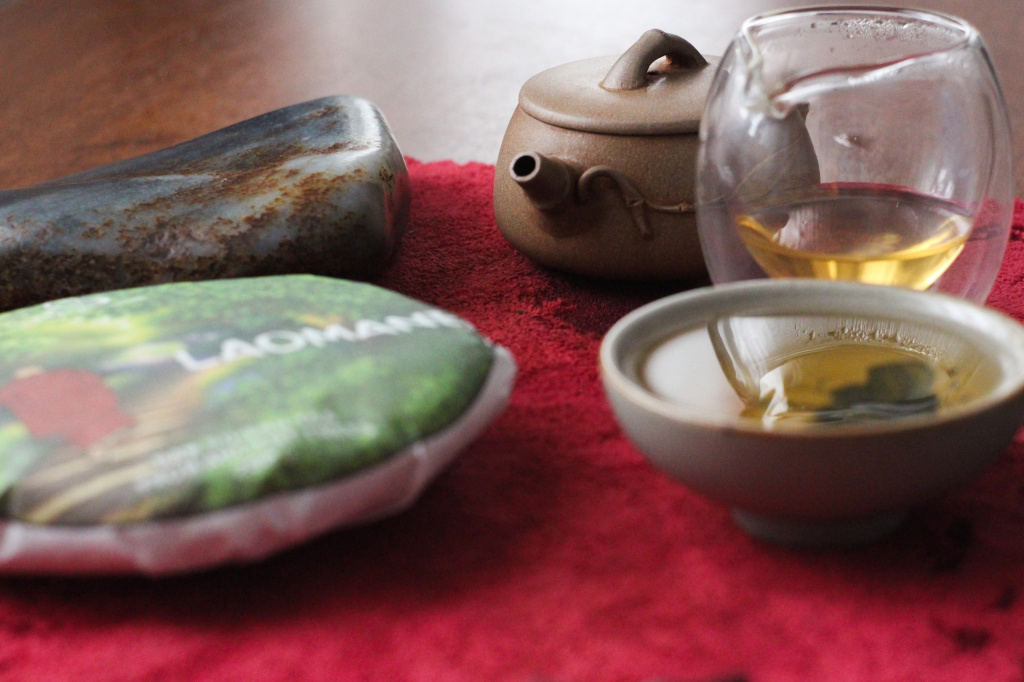
A collectible, exclusive sheng pu'er. Single-origin, unblended raw tea from tea trees. A vibrant, powerful, juicy tea and an incredibly impressive pu'er.
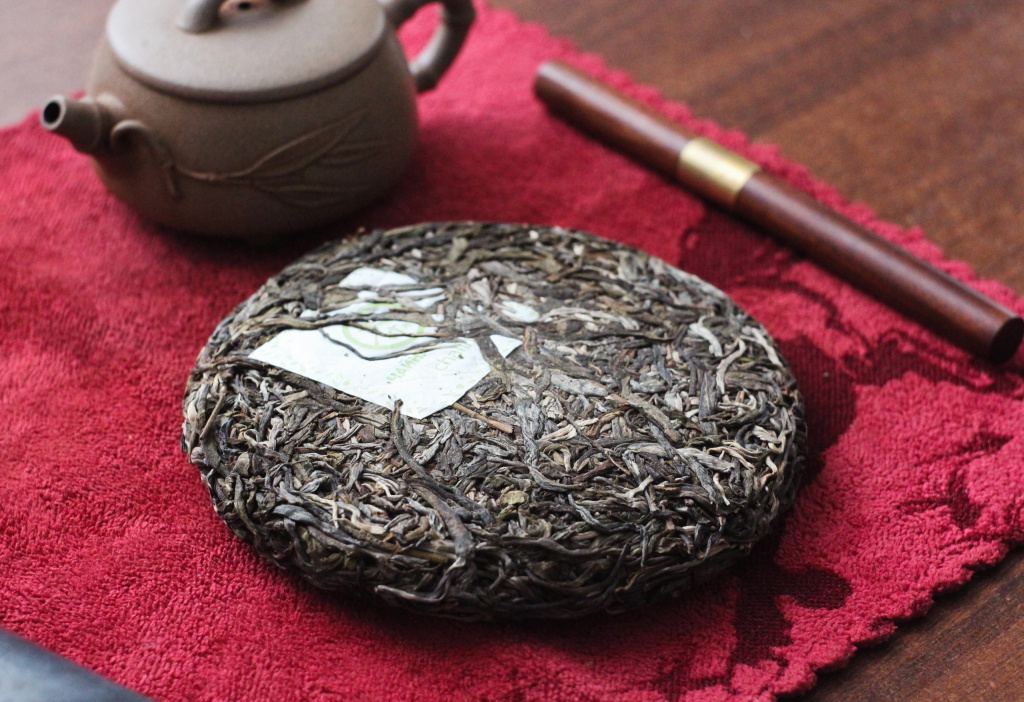
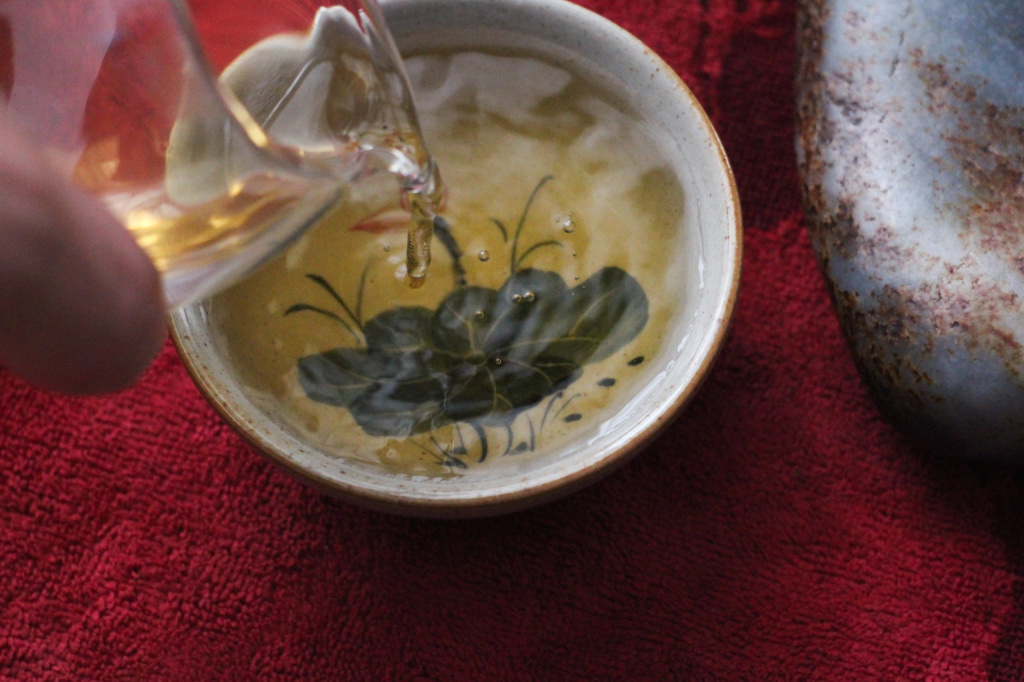
The taste is dominated by a natural bitterness, which can transform into the sweetness of wild berries - a distinctive feature of real pu-erh from the trees of the Laoman Mountains.
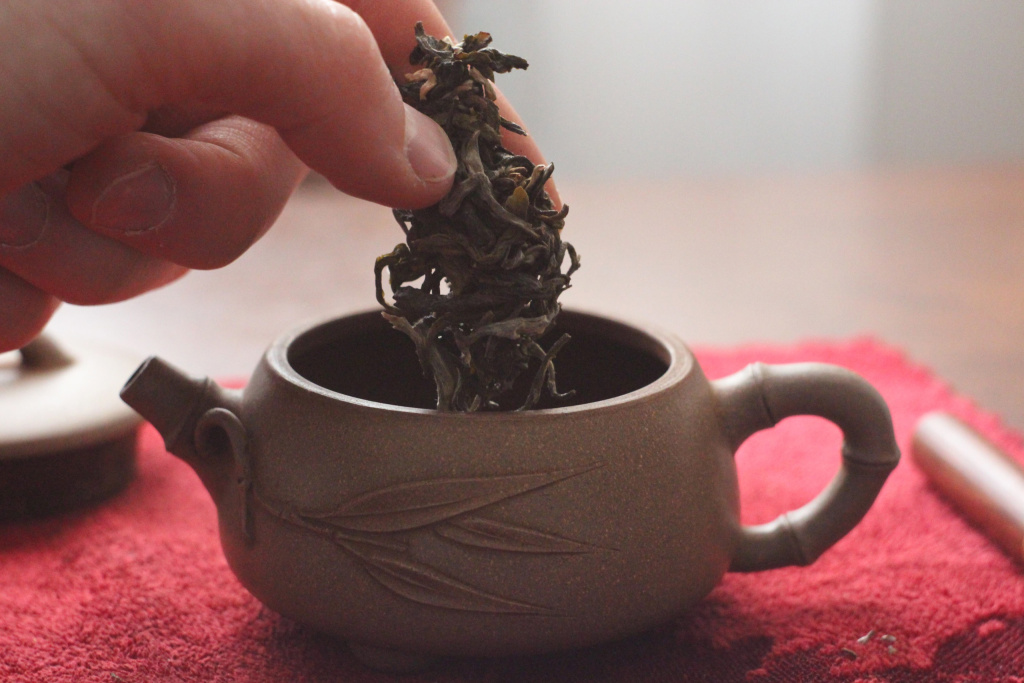
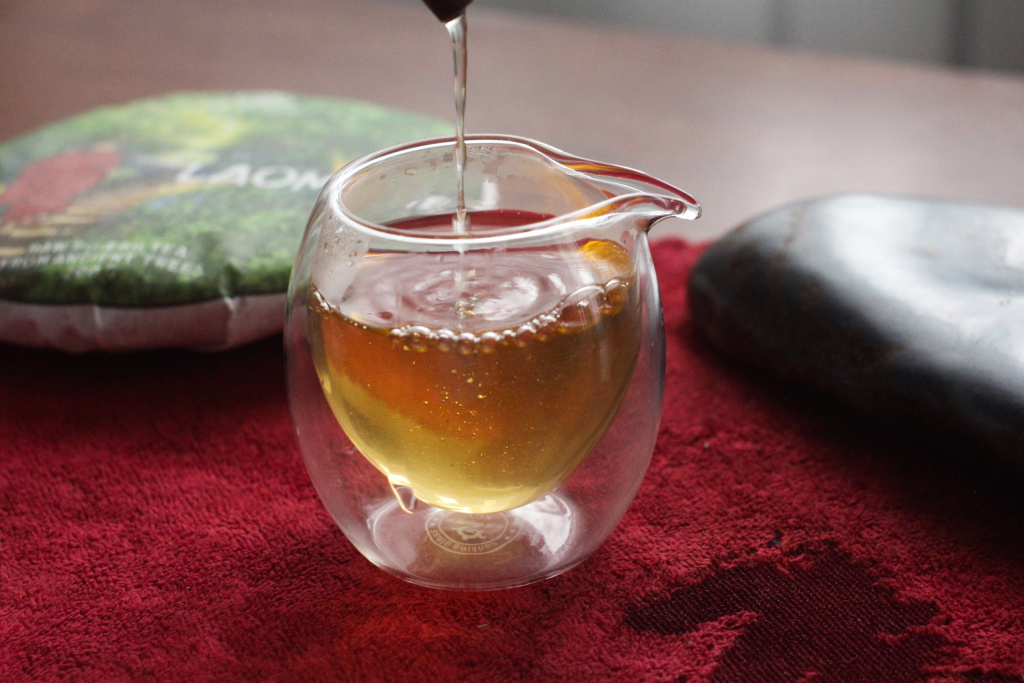
The tea-like state is felt from the first cups. Pu-erh clarifies, sobers, inspires, and enhances qi energy.
An excellent specimen for a collection, the tea has enormous potential for storage and transformation over time.

|
Country
|
China |
|
Habitat
|
Лао Мань Э (老曼峨, Lǎo màn é) |
|
Altitude
?
Height in meters |
1686 |
|
Manufacturer
|
ООО "Чайная Линия" |
|
Pressing form
|
Bing Cha (Cake Tea) |
|
Declared weight, g
|
200 |
|
Fermentation method
|
Natural |
|
Type of tea raw material
|
Large trees (100-300 years) |
|
The tea is suitable.
|
for skin rejuvenation, for the tea ceremony (ceremonial), for weight loss, to alter consciousness (intoxicating tea), to improve performance |
- Reviews
- Vkontakte
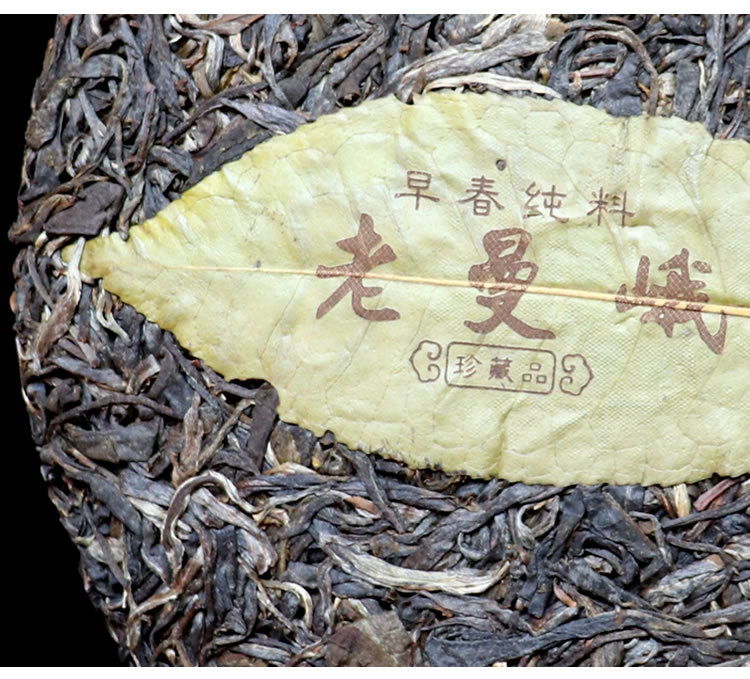
The article "Lao Man E Old Tree Leaf Tea: History, Geography, and Features" will immerse you in the world of unique Chinese tea produced in the village of Lao Man E, located in Yunnan Province. You will learn about the geographical location of the village, its history, which dates back more than 1,300 years, and how this region became famous for producing bitter tea. The article also details the characteristics of Lao Man E tea, its taste and aroma, as well as the efforts made by the villagers to preserve ancient tea gardens and maintain the quality of the product.
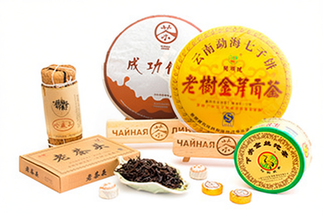
Over time, some consumers who are part of the country's "tea elite" discover mainland Chinese tea. And only a few get acquainted with Taiwanese varieties. The path of a tea person is usually long and thorny, but ultimately it leads to the King of Teas - puer. But not everyone is able to go all the way from ordinary teas to puer and appreciate its qualities.
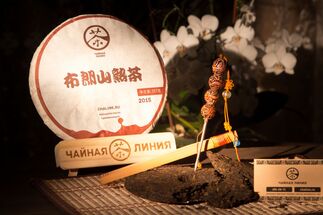
The tea ceremony occupies a special place in the centuries-old Eastern tradition. And although the essence of this phenomenon remains constant, the nature and external manifestations of the tea ceremony in different nations have their own national characteristics. In each Chinese province, the tea ceremony and the tea used in it are varied: for example, residents of the southern provinces prefer green tea, and residents of the northern provinces - red tea, in Fujian province they more often use Oolong tea, and in Yunnan province Puer tea is widely known.
Need a consultation?
Our specialists will answer any question of interest


