



Why Old Tea Isn't Always the Best Choice
Old tea is often talked about as having absolute value: the older it is, the better. In practice, age alone guarantees almost nothing. Much more important is how it all began and how the tea has fared over time.
It all starts with raw materials
Any aged tea is, first and foremost, the leaf from which it is made.
The region, soil conditions, and the tea plants themselves all play a role. Tea from tea trees is often prized, as their deep root system allows for a more voluminous and consistent flavor over time.
We've seen trees over 800 years old. Strong, vigorous trees are allowed to grow. Tall, straight-trunked trees are especially prized. To improve their growth, specialists may prune excess branches from the bottom—this ensures that more nutrients reach the top, the foliage.
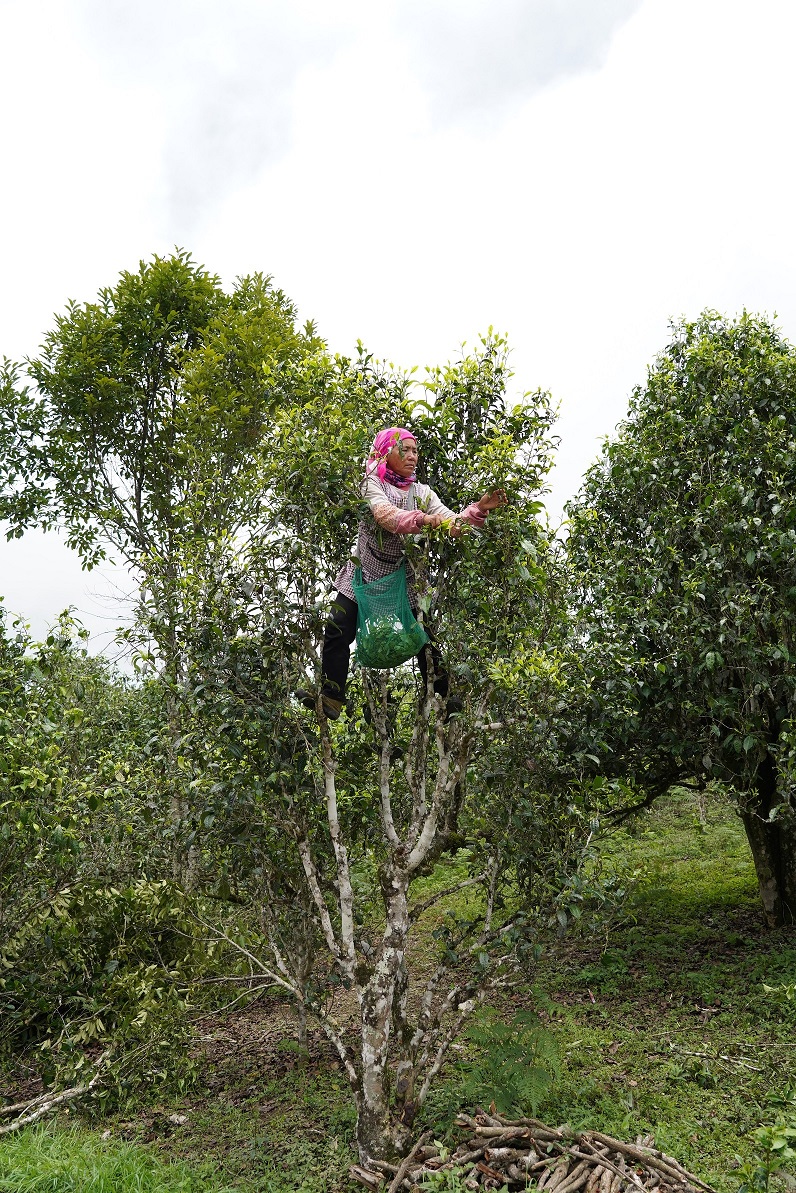
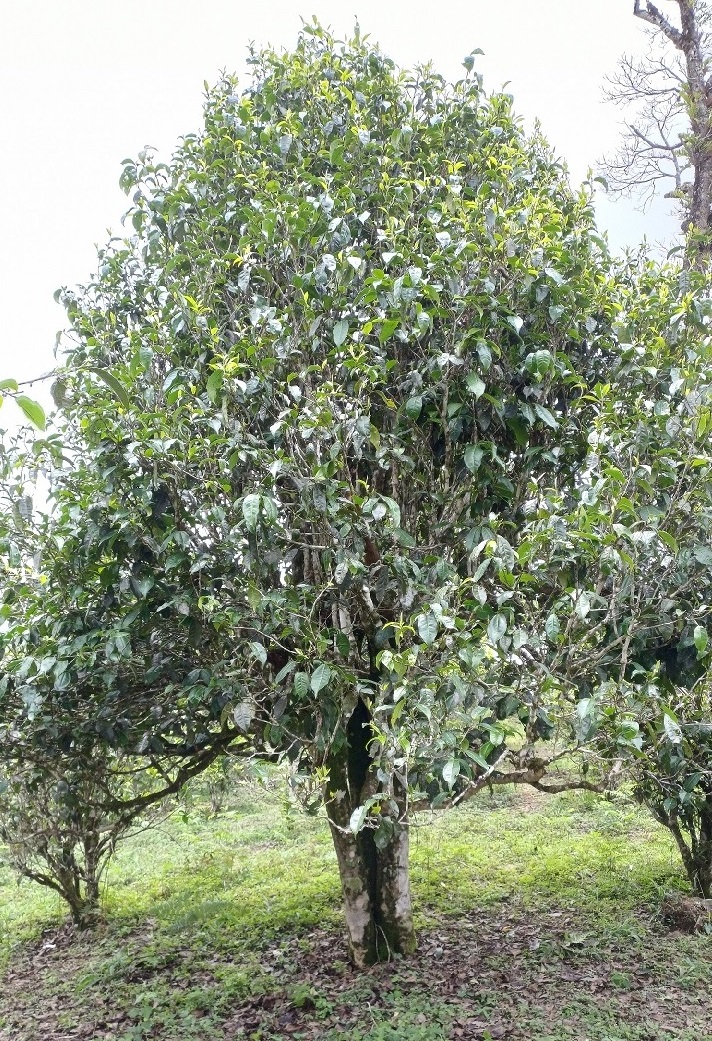
In fact, the history of aging begins even before the tea is pressed.
Storage matters more than the year of manufacture
Two identical pancakes can turn out to be completely different after a few years. It all depends on where and how they were stored.
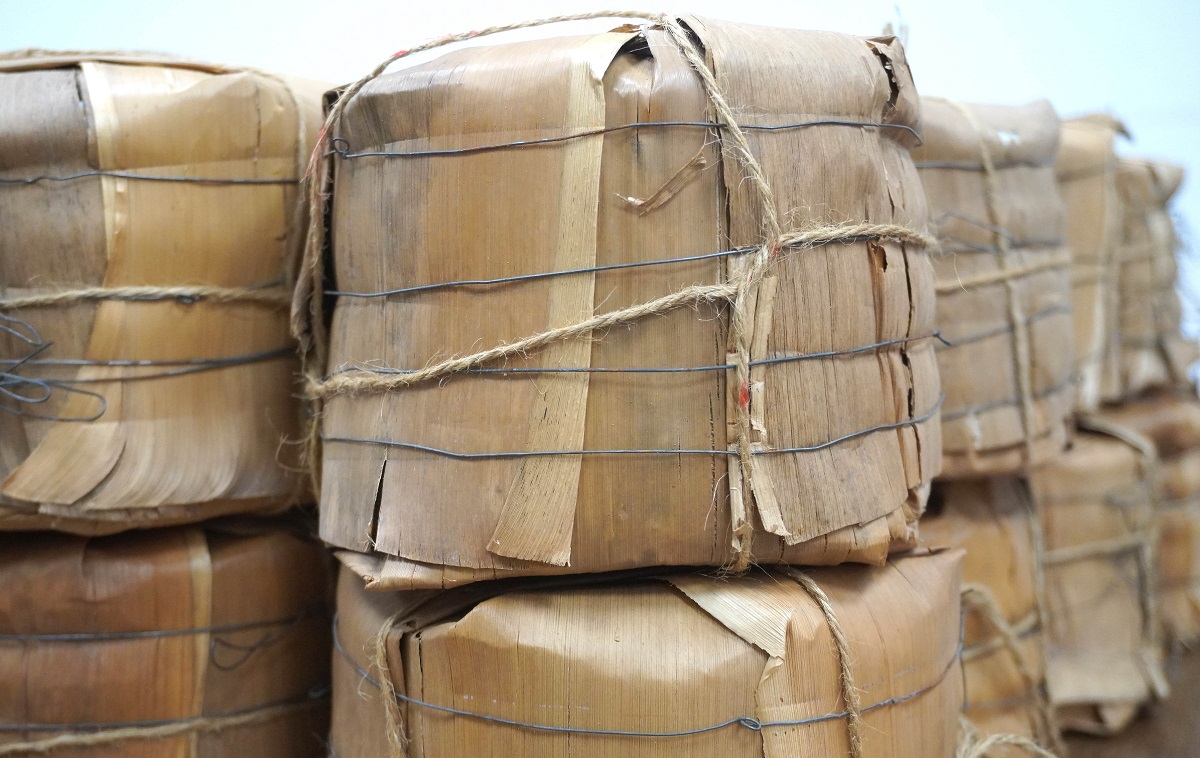
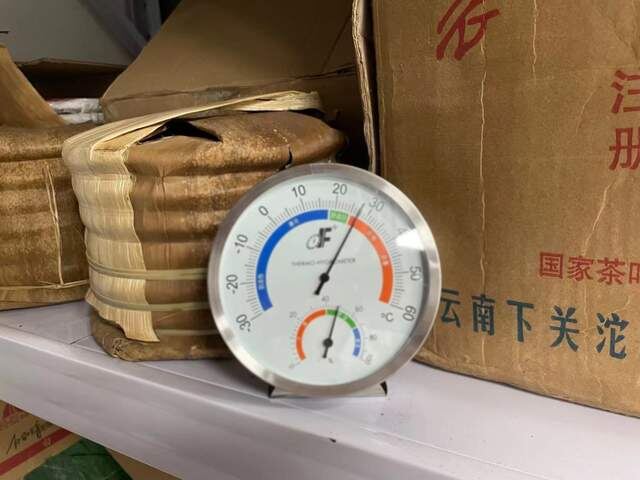
In this case, the year of production says much less than the storage conditions.
Why is old tea more expensive?
Good storage isn't just a shelf in a warehouse. It requires a stable temperature, controlled humidity, and a space where tea can safely change over the years.
All of these conditions require attention and resources, so the price often reflects the storage history, not just the age of the tea.
Without understanding this history, it is quite difficult to compare old pu-erhs with each other.
Brands and market reality
Over time, popular old teas have become widely copied. Young teas can be packaged to resemble famous releases, making it difficult to distinguish them visually.
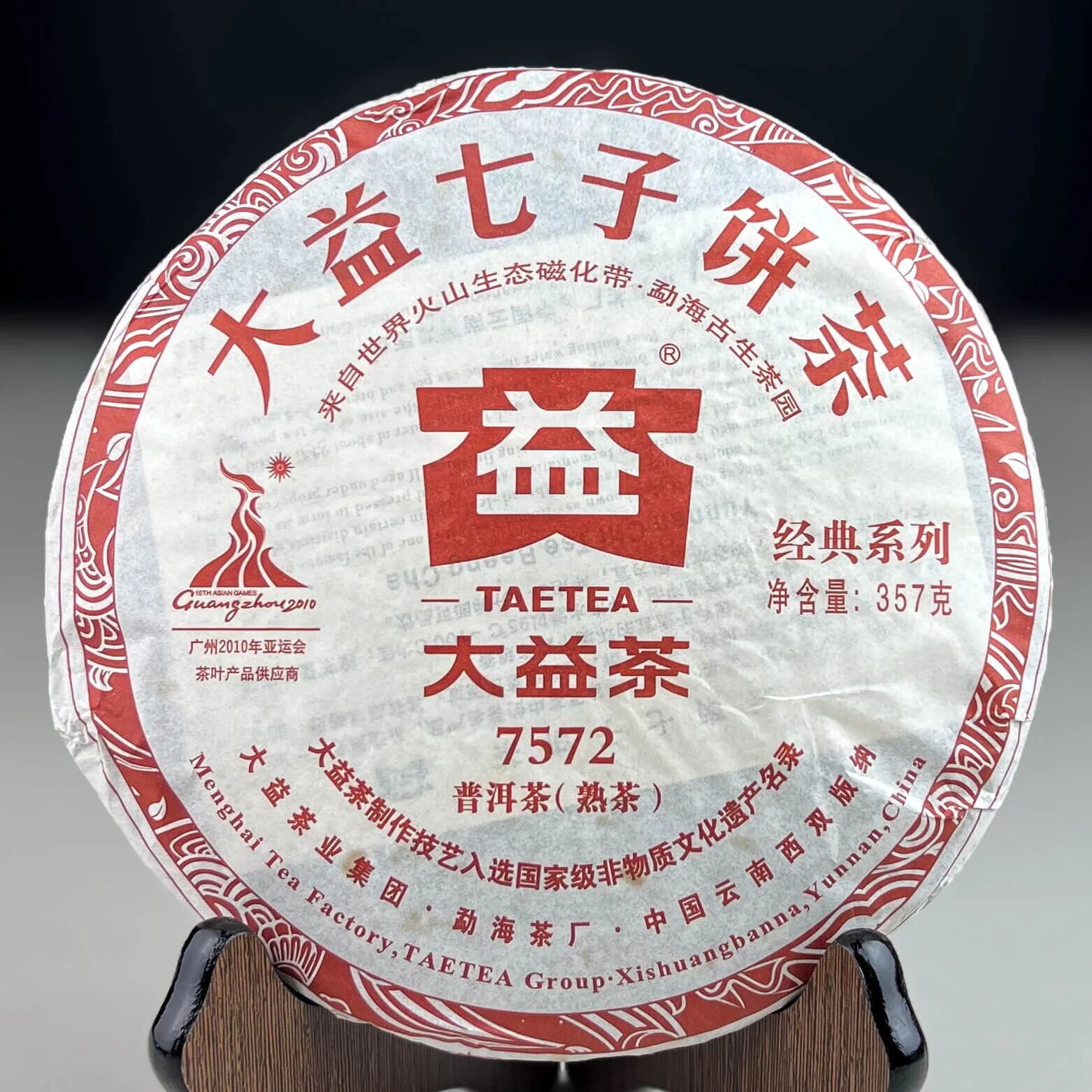
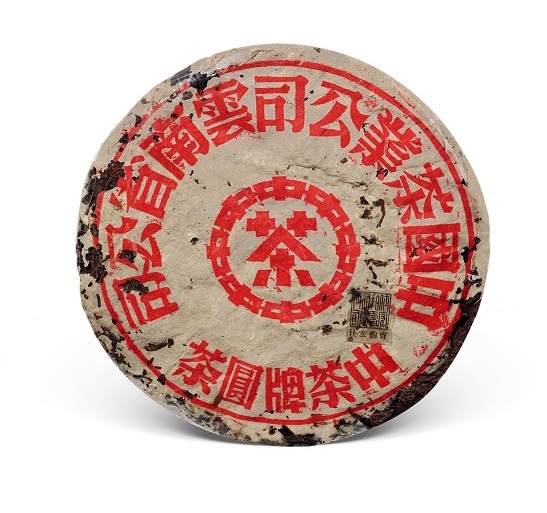
At the same time, the cost of raw materials from tea trees is rising, so large factories are increasingly working with plantation leaves, otherwise the price would become too high.
The name of the factory and the stated age no longer provide a complete picture on their own.
When young tea is a good choice
Sometimes young tea made from high-quality raw materials turns out to be more interesting than aged tea.
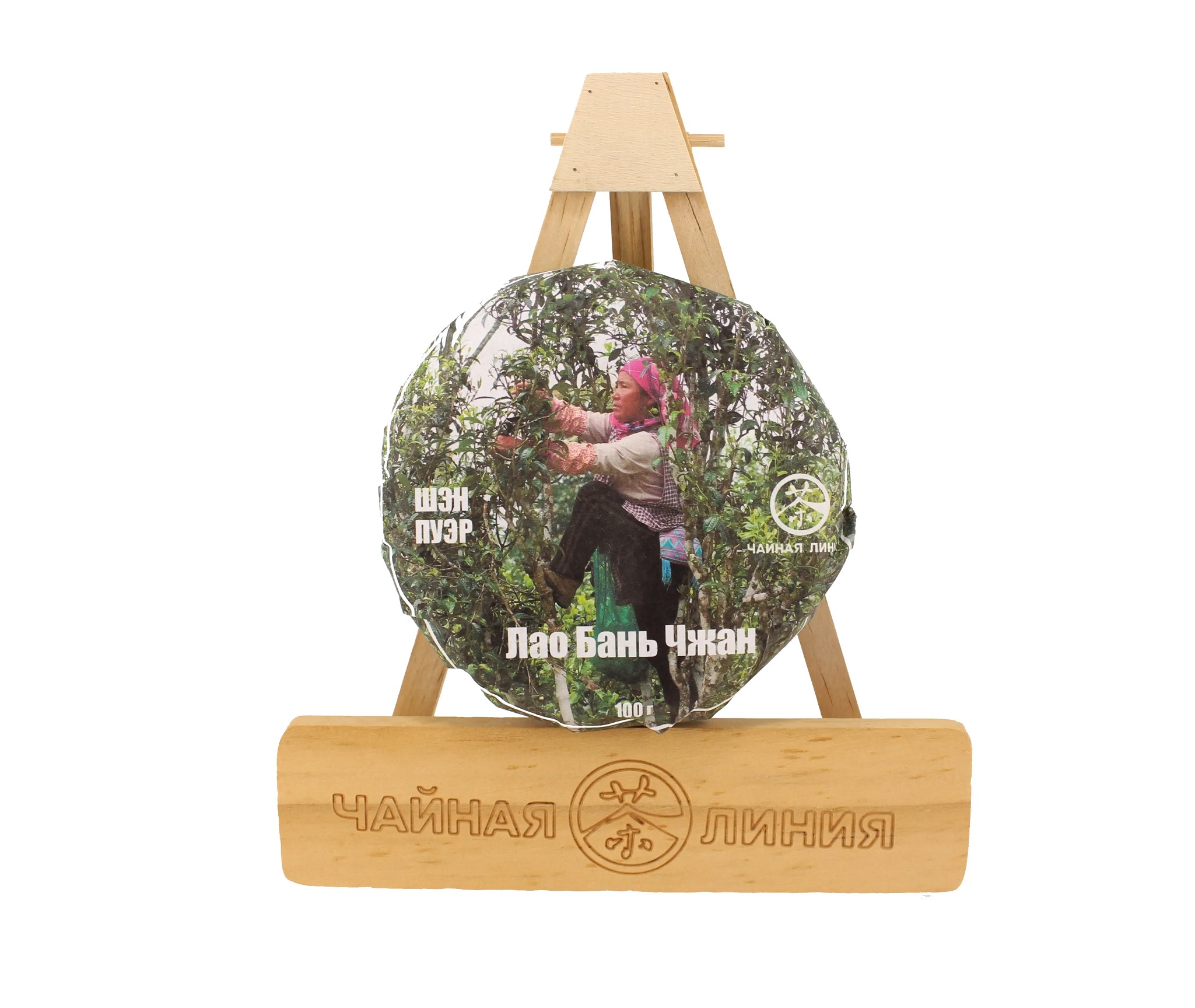
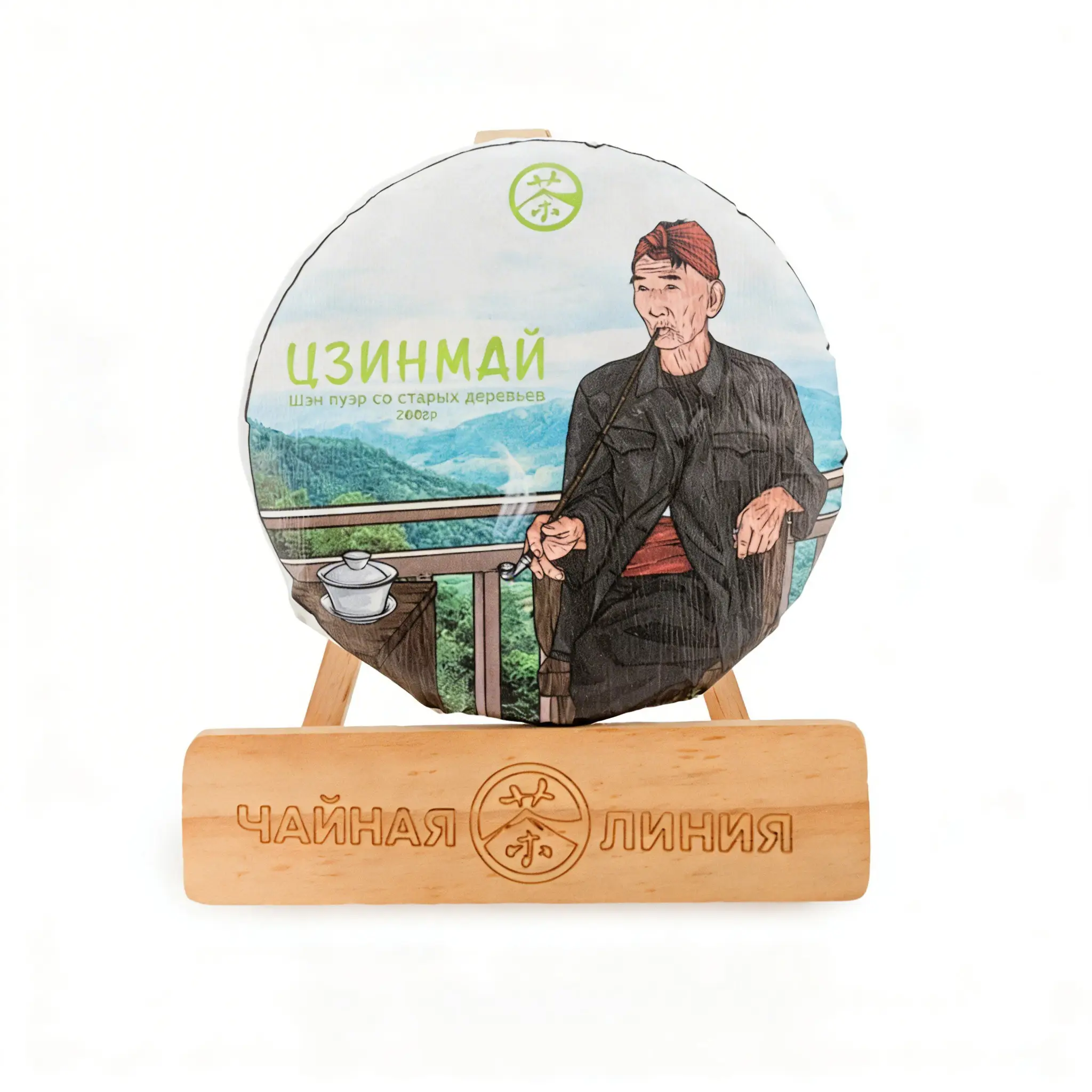
You can store it yourself and watch it change year after year. This tea gradually becomes part of your own storage history.
How shu pu-erh tea ages
Shu pu-erh has its own characteristics. Tea fermented in large piles usually reaches its most harmonious state after about 5–7 years. Later, the changes become more subtle and occur more slowly.
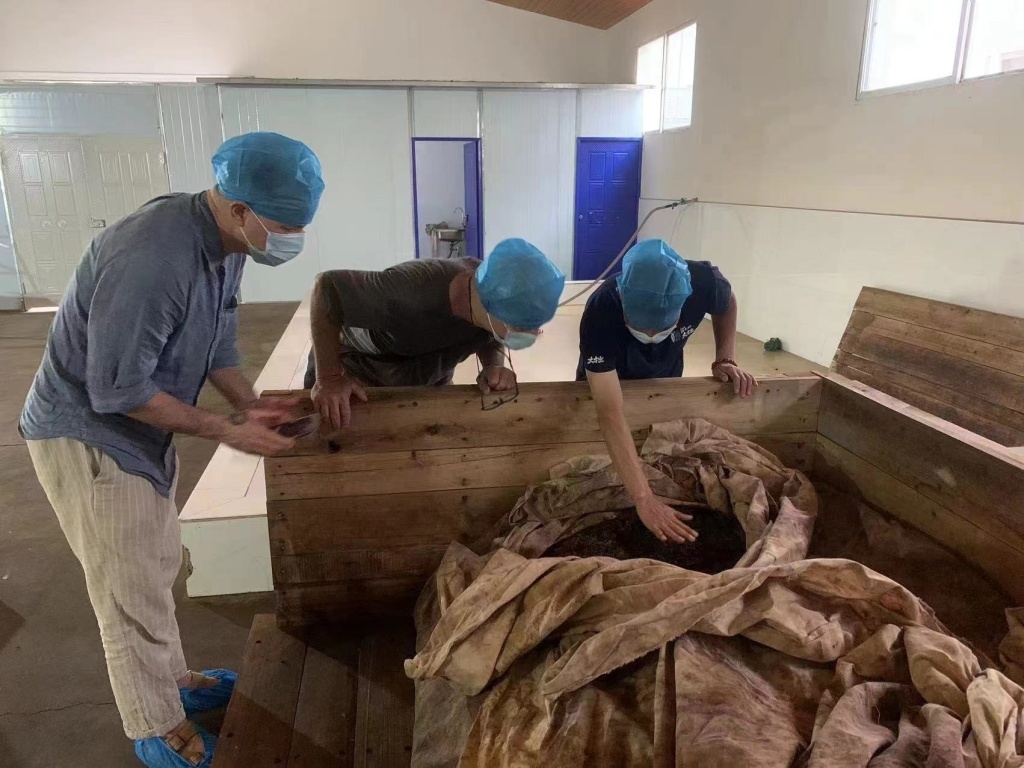
Fermentation in small batches can take longer, but noticeable changes still occur in the first few years. After 12–14 years, the flavor changes less rapidly, making very old shu pu-erhs more attractive to collectors.
What to look for when choosing
When choosing aged tea, there are a few things to consider:
• quality of raw materials
• storage conditions
• production method
Age is just one characteristic, and far from the most important. Sometimes the best step is to take good young tea and let it mature at home.
Did you like this article? For more information on this topic, watch our video at the following link: