



From Legends to Modern Times: The History of Da Hong Pao
This Chinese cliff tea is produced in the northwest of Fujian Province, in the Wuyi Mountains. It is classified as a strong fermentation oolong. Da Hong Pao (大红袍, Da Hong Pao, Big Red Robe, DHP, Da Hongpao) is one of the most famous Chinese tea varieties, along with such teas as Pu'er, Tie Guan Yin and Long Jing. But in terms of the number of legends and myths surrounding both the tea itself and its name, it is probably in first place. However, this does not mean that the closest to the truth story of the origin of the name of this tea has been lost.
It is a high-grade oolong of strong fermentation. The tea grows in the Chinese Wuyi Mountains and is considered one of the most expensive in the world. The drink is famous for its original taste, aroma and effect.
Legends about the origin of the name
Translated from Chinese, da hong pao (Chinese: 大红袍, pinyin: dàhóngpáo) means "Big Red Robe". The origin of the name is shrouded in many myths and legends. Here are some of them:
- The legend of the student. In the 14th century, a student went to take exams, but suddenly lost consciousness. The monks made tea and cured the young man. Soon the young man took a high position, which required wearing a wide red robe. In gratitude for saving him, the young man gave the monk the robe he had received. However, the minister refused the gift. Then the dignitary covered the tea bushes with the robe, thanks to which he recovered.
- The Legend of the Emperor's Mother. The mother of one of the rulers of the Celestial Empire was seriously ill. Even doctors and healers were powerless against the misfortune. Then the monks sent a unique tea to the palace. After drinking oolong from the Wuyi Mountains, the woman was completely cured. In gratitude for curing his mother, the emperor ordered that the tea bushes be dressed in bright red fabrics to protect the plant from frost.
- A romantic legend about maidens. Da Hong Pao has been collected for centuries by the ever-young Tea Maidens. The girls do not age because they sleep in a special cave. One of the officials accidentally saw the pickers and was struck by their beauty. The man decided to marry them at any cost. He followed the beauties and found their cave. The official was so struck by the girls' innocence that from that day on he guards them, leading strangers away from the cave.
- Legend of the monkeys. According to one belief, red robes were worn by specially trained monkeys who collected tea in the highlands. Thanks to the bright clothing, the animals could be watched from afar.
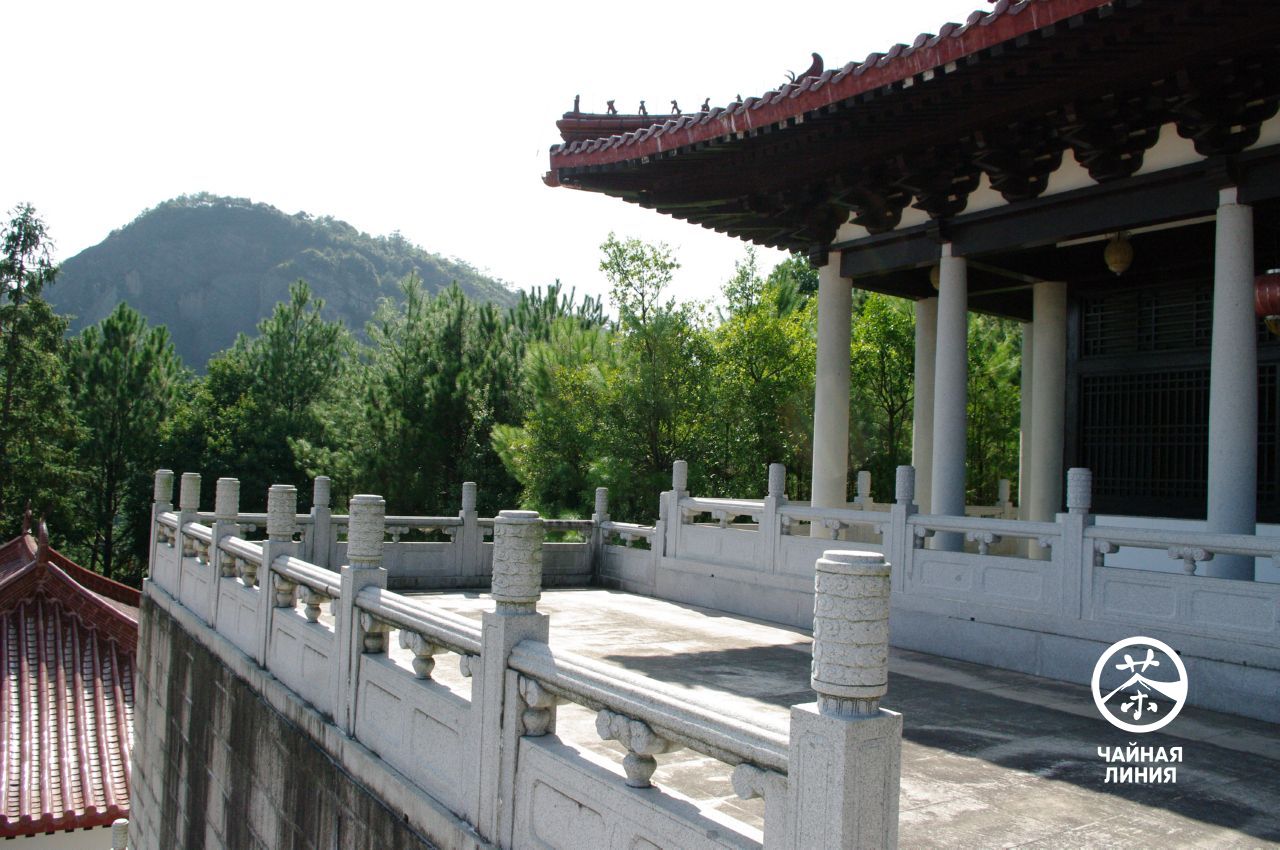
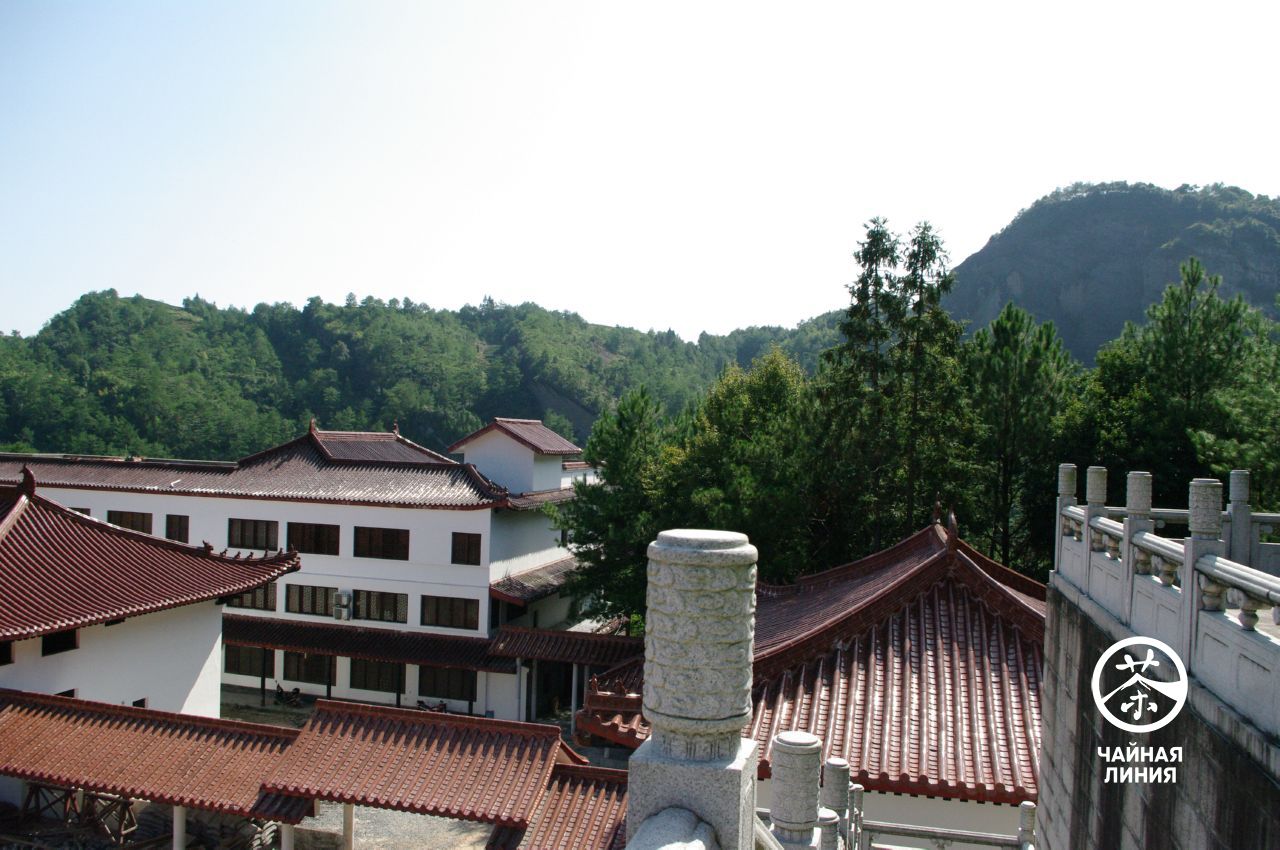
Only the legend about the student turned out to be true. The story is confirmed by historical records from 1385 of the Wuyi Monastery Tian Xin Yong Le Chan Si" (天心永乐禅寺) - "Chan Monastery of the Heavenly Heart and Eternal Joy"
History of Tea
The recipe for real Da Hong Pao is more than 6 centuries old. After all, the first mention of a drink made from tea leaves from the Wuyi Mountains dates back to 1385. The original name of oolong was Qi Dan. It is believed that this name was associated with the purple-red color of the buds.
However, the history of the tea itself is 300 years older than its official name. After all, according to chronicles, the tea was renamed Da Hong Pao only in 1419. Soon, the drink began to be called the "ancestor of ten thousand teas" and its fame spread throughout China.
The fame of tea has spread through the centuries. In 1974, the great Mao gave a bag of 200 grams of tea to US President Nixon. Such a gift was considered priceless even in those years.
Today, only 6 tea bushes of this variety remain in the Wuyi Mountains. The place where they grow is called the "Den of Nine Dragons". Every year, 400 grams of tea were collected from the mother bushes, which were immediately transferred to the state storage. Part of the stock was sold at annual tea auctions in Hong Kong and Guangzhou.
In 2006, the collection of oolong in the "Dragon's Den" was stopped. The remains of the rare tea are kept in museums and private collections. Therefore, it is impossible to buy Da Hong Pao these days. The tea was last sold at auction in the same 2006 for half a million dollars.
However, the descendants of the 6 sacred bushes still exist in the province today. According to a special government decree, almost all oolongs, except for four varieties, from the Wuyi Mountains can be sold under the Da Hong Pao brand.
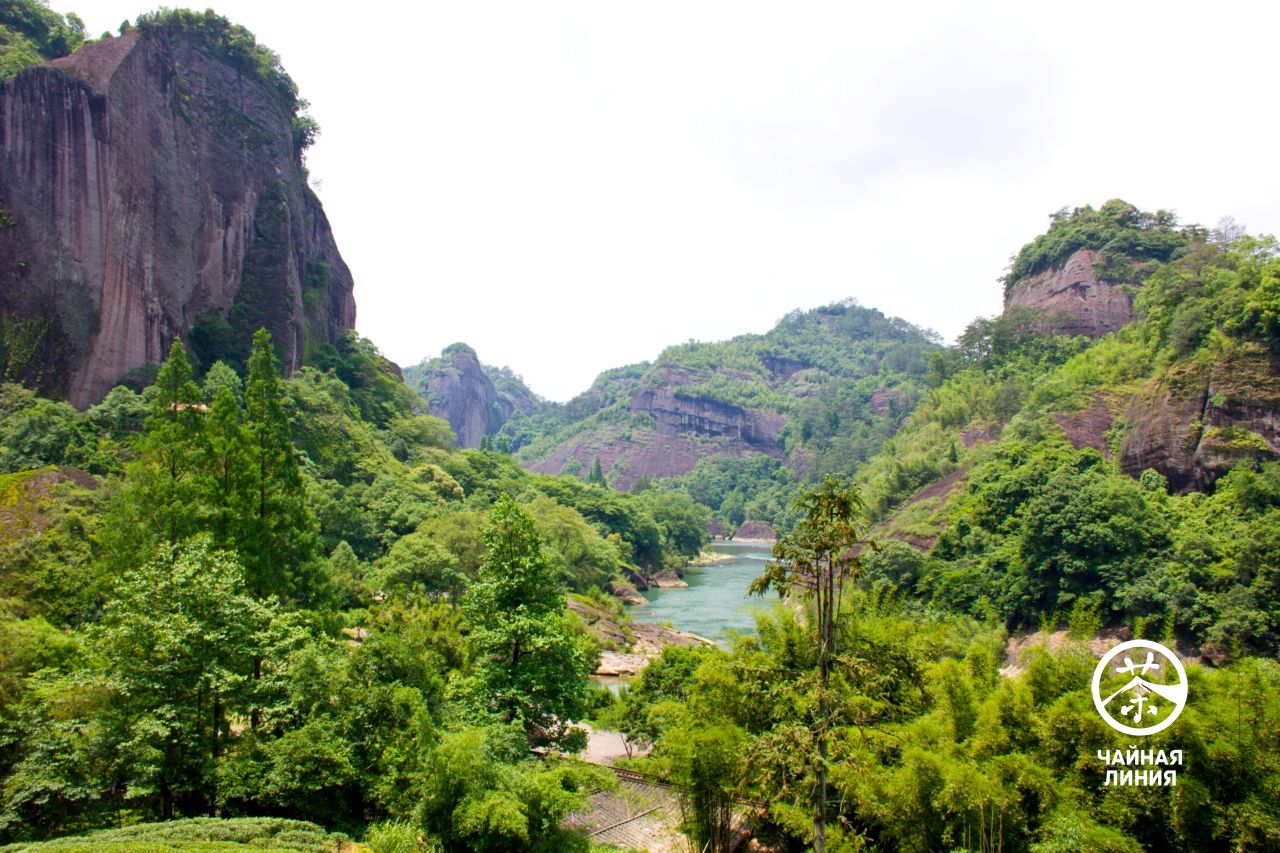
Tea growing areas
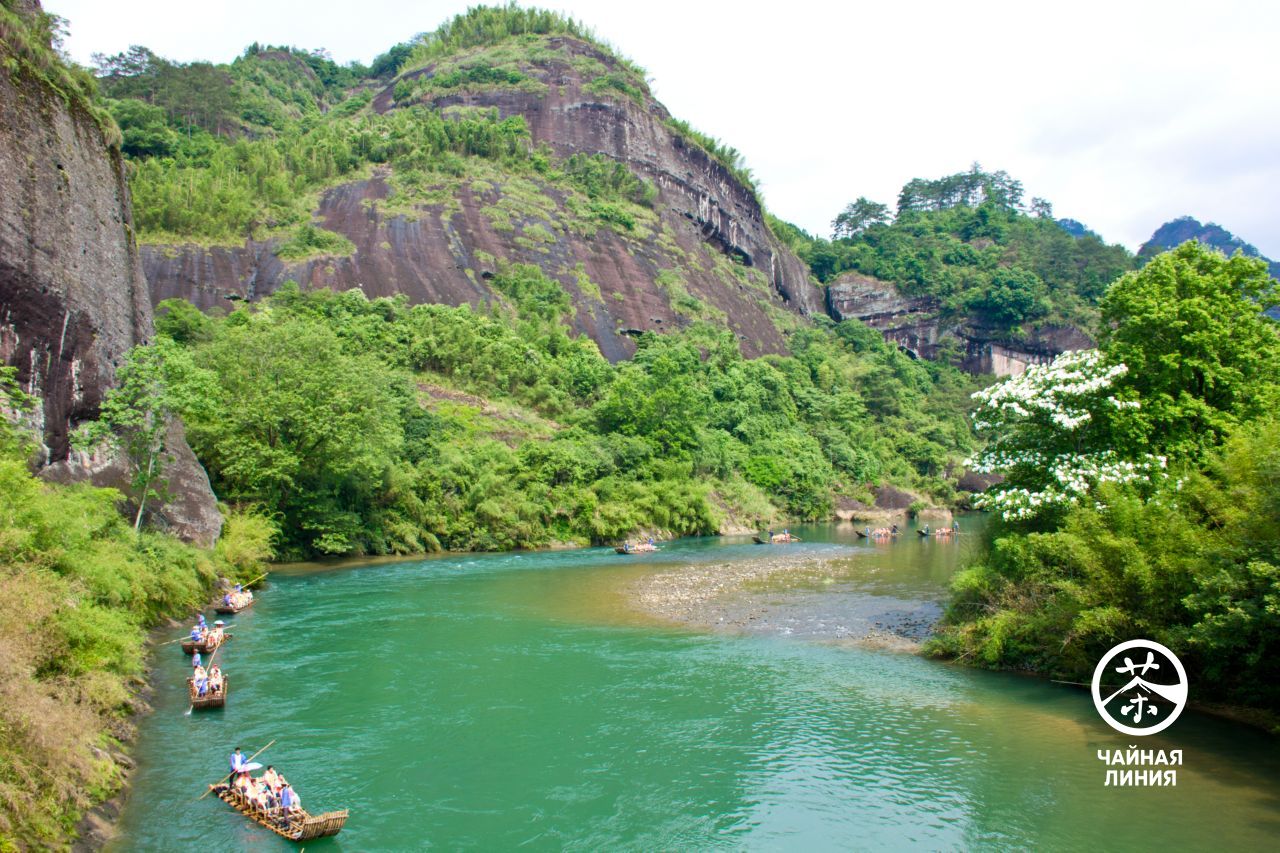
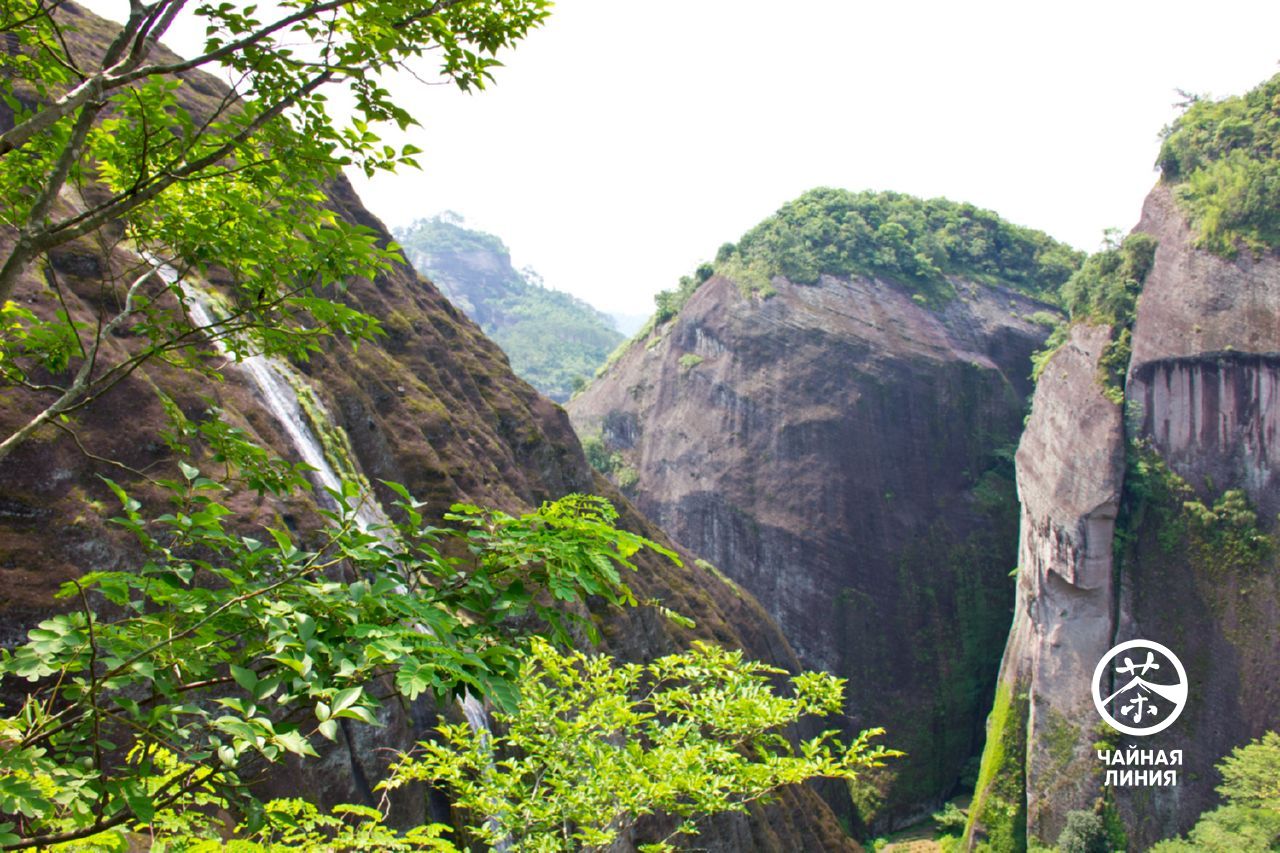
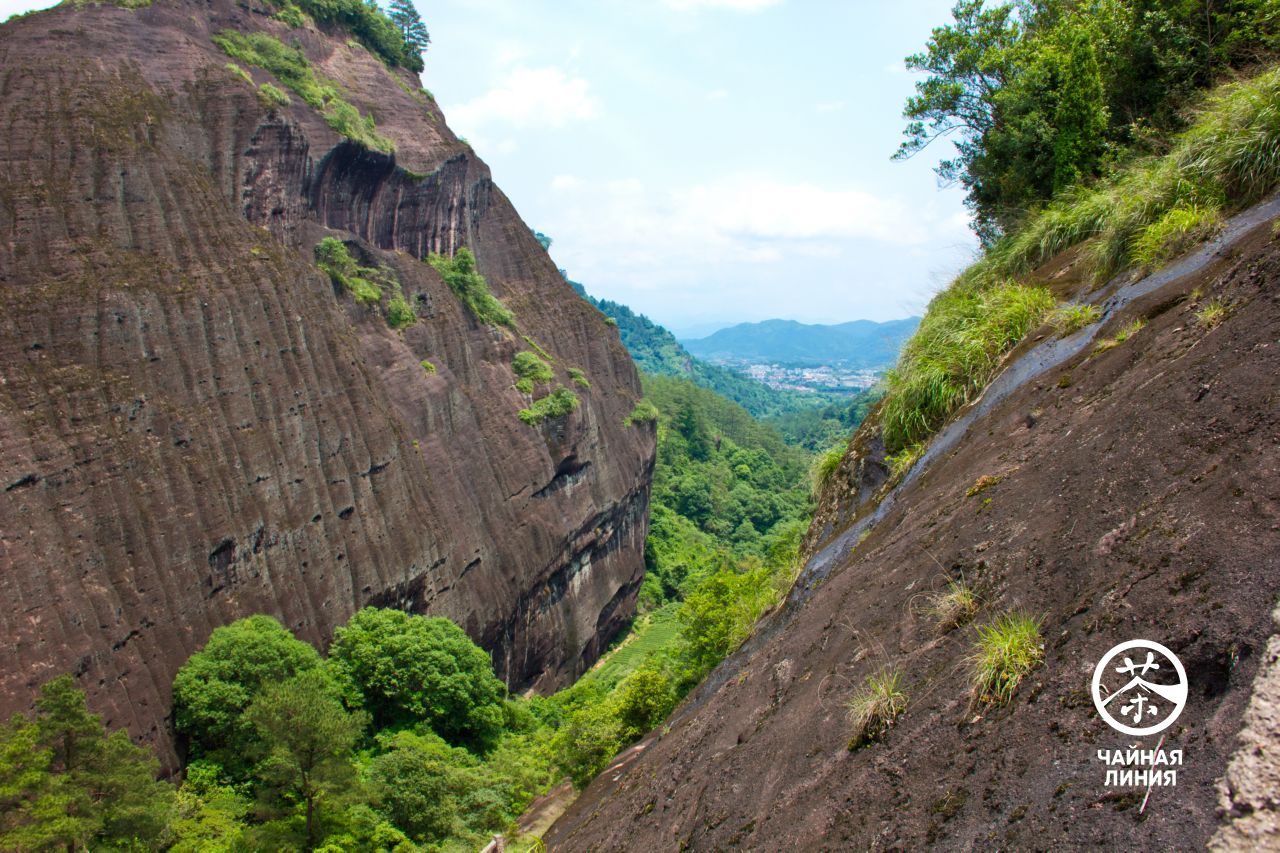
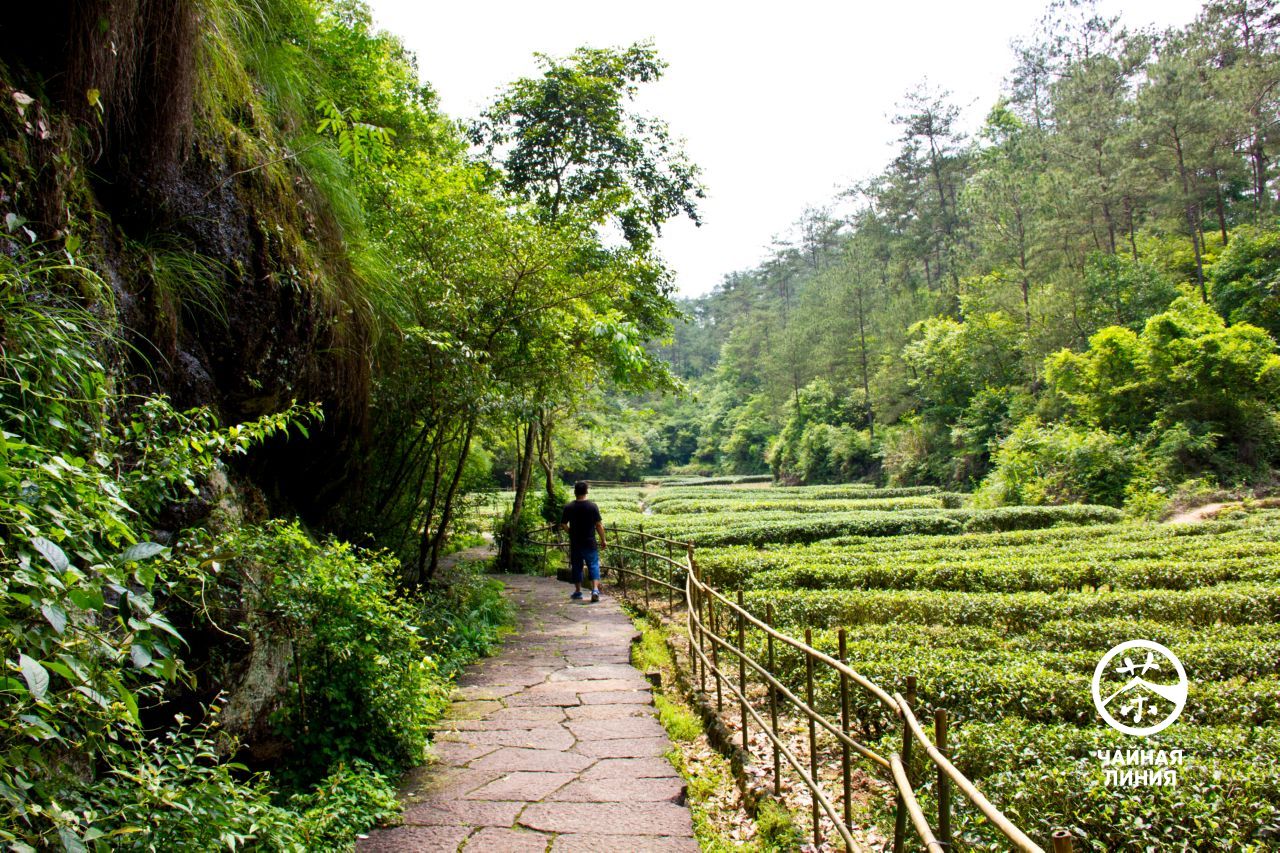
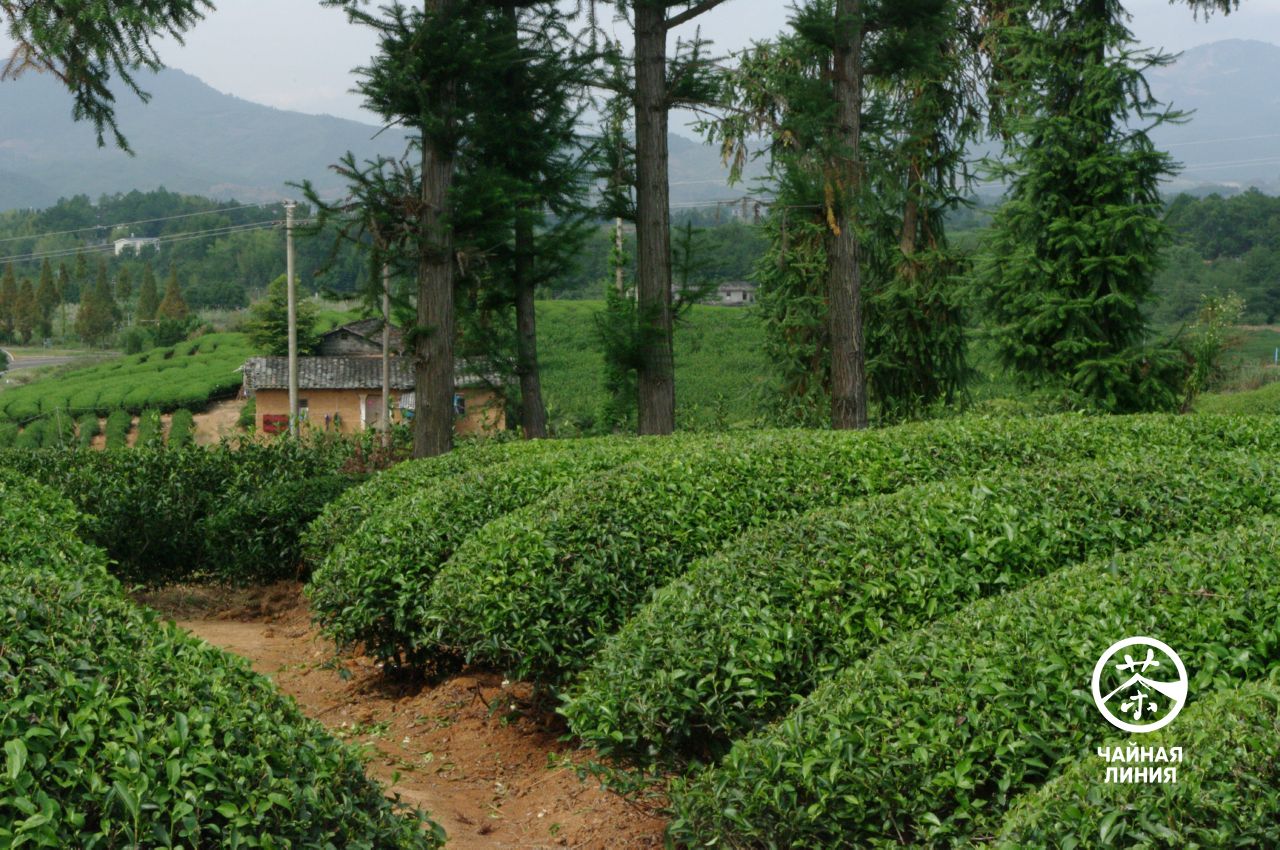
The legendary tea is grown in the Wuyi Mountains. For cliff oolongs, the specific place of their growth is extremely important. According to this criterion, Da Hong Pao is conventionally divided into 3 types:
- Zhen Yan Cha ("real cliff tea"). It grows in the gorges of the Wuyi Mountains. Fog often forms in these places. This creates the optimal humidity for oolong. The mountain soil, saturated with minerals, is also optimal for the plant. This variety conveys the taste and effect of true Da Hong Pao 100%. However, oolong from the gorges is the most expensive.
- Ban Shan Cha ("semi-mountain tea"). Grows at the foot of the mountains. The taste of the drink is quite close to Wuyi oolongs. The variety is optimal in terms of cost and quality.
- Wai Shan Cha ("tea from the outer mountains"). This tea can grow anywhere in Wuyi Mountain. The total area is more than 75 square kilometers. The soil in these places is radically different from the mountainous soil. Wai Shan Cha is a blend of several varieties of tea and is the cheapest of the above types.
Production technology
Wuyi Mountain Oolong is also famous for its complex production technology, which includes several stages:
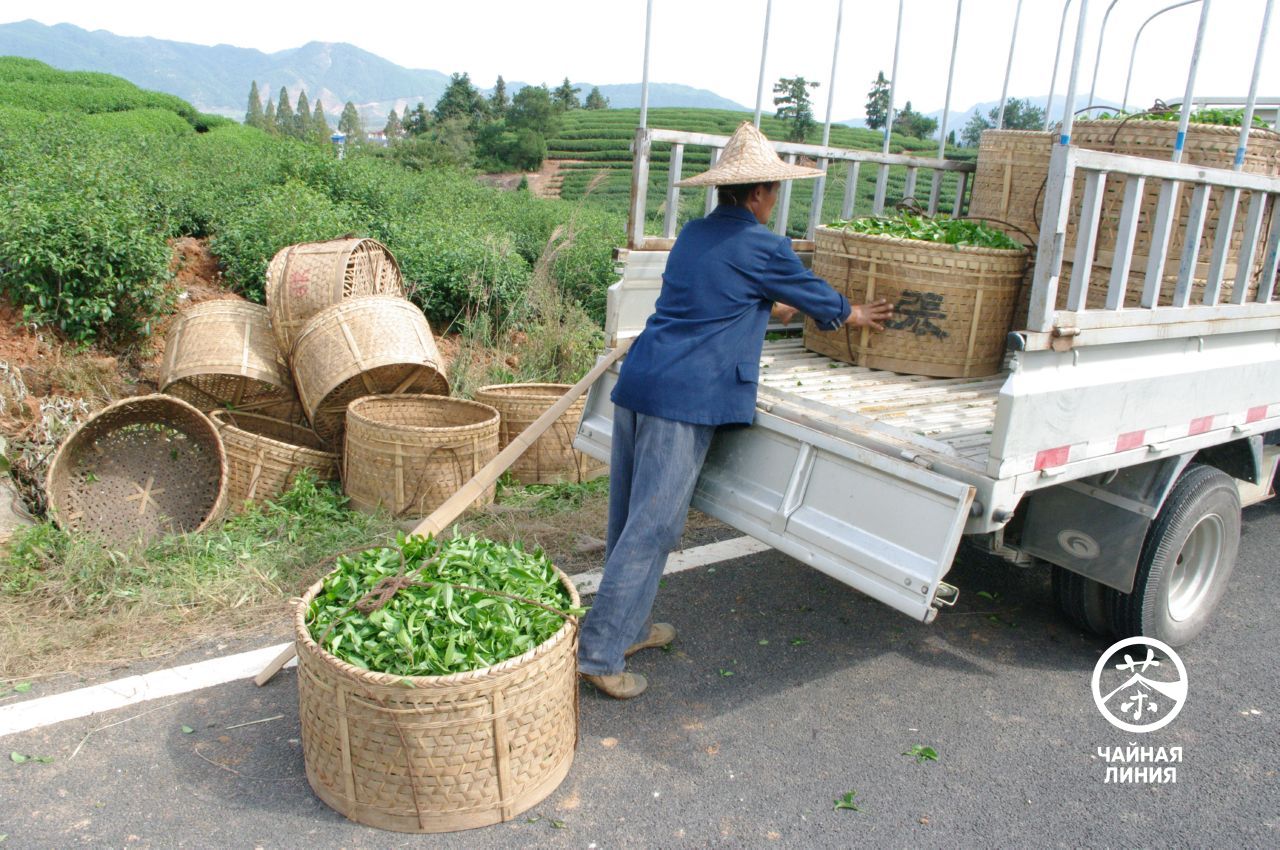
- Collection. The harvest is collected four times a year. The leaves are cut together with the stems.
- Drying. Next, the raw material is laid out and partially dried in the sun. This way, the leaves release excess moisture and become softer.
- Withering. The leaves are then laid out on bamboo trays in a closed room. This equalizes the moisture level in the leaf.
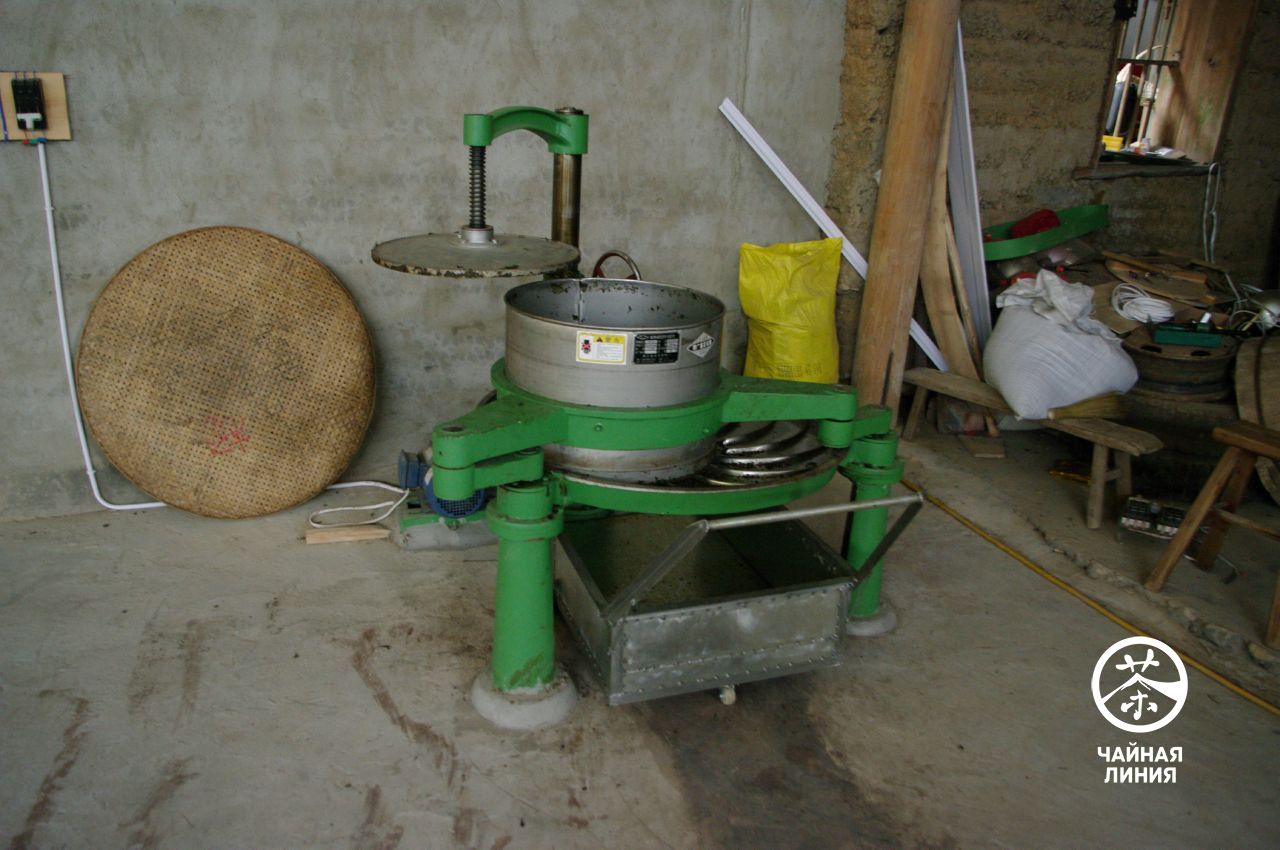
- Crushing and fermentation. The raw material is gently crushed by hand so that the leaves release juice and oxygen penetrates deep into them. This starts and accelerates fermentation – the fermentation of tea juice. The tea is left in this form for several days.
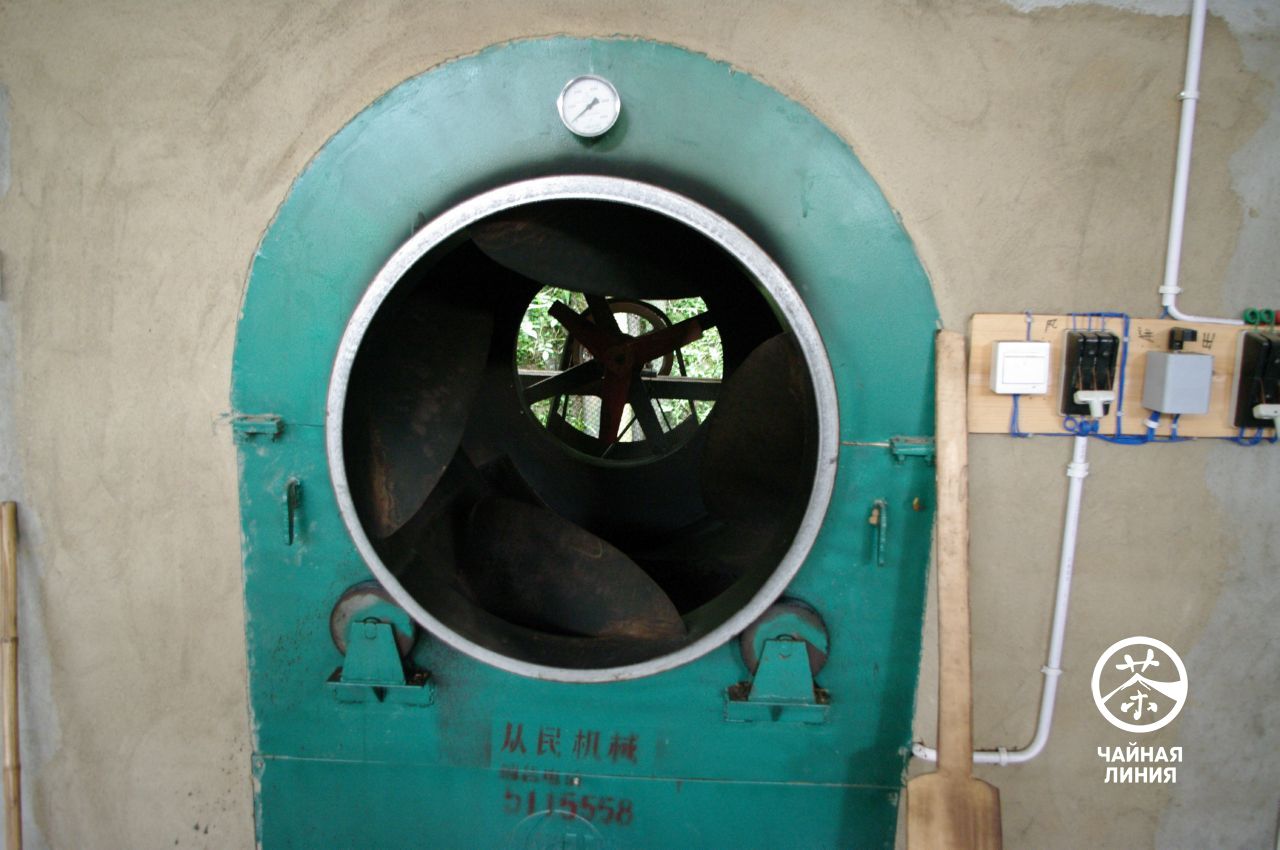
- Roasting. The leaves are then heated and roasted in cauldrons. The roasting process stops fermentation and removes the green smell. As a result, the leaves curl and darken.
- Twisting. Next, the leaves are sorted, torn from the stems and twisted lengthwise.
- Re-drying. At this stage the leaves are finally dried.
- Sorting and packaging. At the final stage, the leaves are sorted, packaged and sent to the shops.
Tea Culture in the Wuyi Mountains
The Wuyi Mountains are of particular interest to tourists. After all, the area combines natural beauty with historical and cultural heritage. Tourists are offered hiking, visiting nature reserves, excavations, abandoned monasteries, waterfalls and gorges. The route is not complete without a visit to the "Den of Nine Dragons" with 6 bushes of genuine Da Hong Pao.
However, first and foremost, the Wuyi Mountains are considered the best place to get acquainted with the Chinese tea tradition. The region regularly hosts tea ceremonies, festivals and competitions. Along the Wuyi Mountains route, there are stalls selling the legendary oolong tea.
Every year, the Wuyi Mountains host the Wuyi Tea Culture Festival. The event includes exhibitions and tea tastings, and performances by renowned tea ceremony masters. Tea competitions are also quite popular, during which judges taste hundreds of tea varieties and give their verdict, naming the top three winners.
Taste and aroma
They say that the bright taste and deep aroma of Da Hong Pao are impossible to describe. After all, they shimmer with hundreds of different shades. Tea masters have tried to identify the leading notes:
- The aroma is nutty, chocolatey and spicy. Most masters found subtle notes of vanilla, fruit, toasted nuts and freshness. Others identified the smell of dried fruit, old wine or toasted crust of black bread.
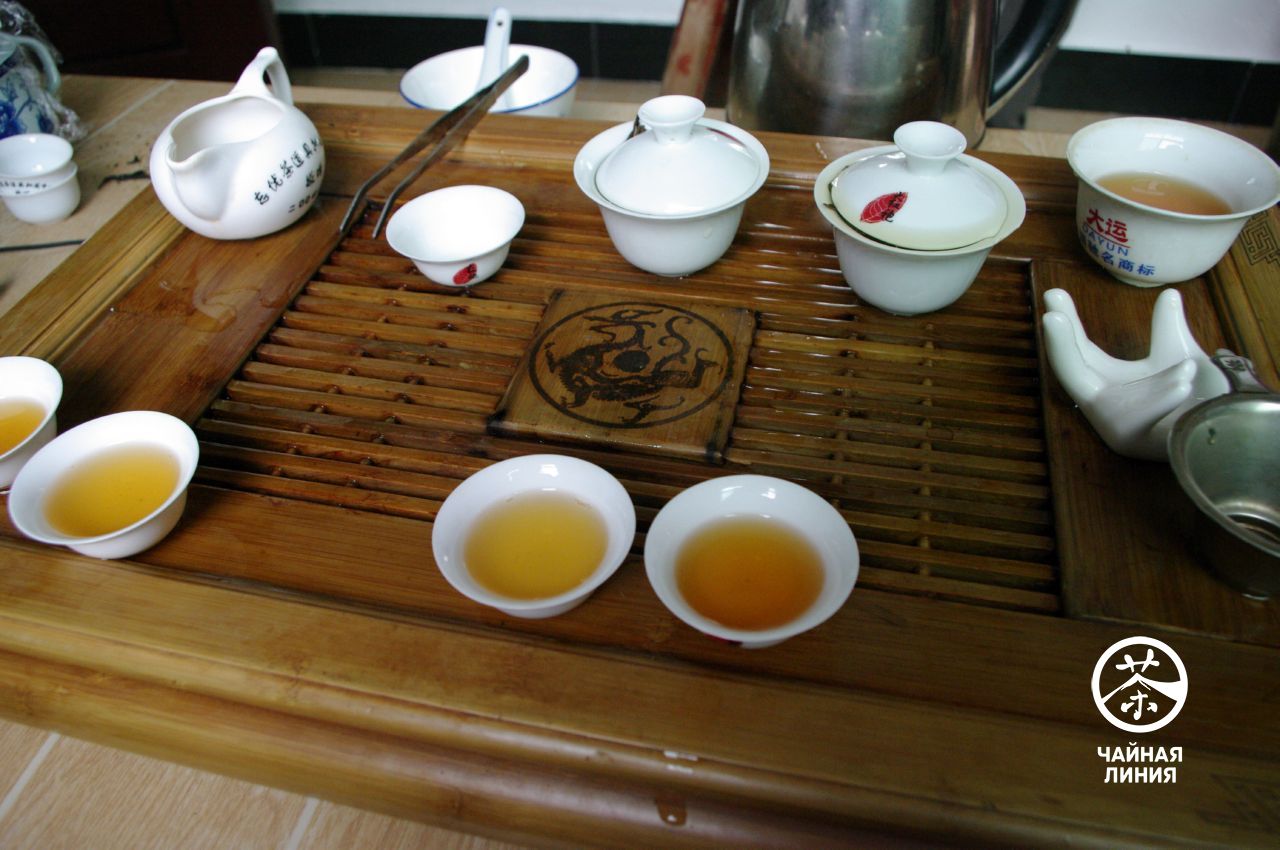
- The taste is soft caramel and tart at the same time. The tartness is light and pleasant, so the drink is not bitter. Oolong also has thick notes of caramel, toffee, vanilla and fruit. As it cools, the tea becomes even softer and sweeter, becoming more fruity in taste.
- The aftertaste is soft, gentle, sweet, spicy and refreshing at the same time. The tea seems to envelop and leaves behind a persistent aftertaste.
Tea connoisseurs claim that with each brewing, the taste and aroma of Da Hong Pao changes dramatically. At the same time, it feels like you are drinking a completely new type of tea.
The effect of drinking Da Hong Pao tea
Da Hong Pao tea is also famous for its effect. After all, the drink simultaneously has several opposite effects. A cup of oolong tea acts in 3 stages:
- Relaxation. Tea soothes, relieves emotional tension and fatigue, completely relaxes the body and mind. Pleasant sensations appear in the body, comparable to mild intoxication.
- Toning. Then the drink invigorates, clears thoughts, makes the mind clear and helps to concentrate. The person experiences a state of light euphoria, internal uplift and inspiration.
- Bringing to balance. At the third stage, oolong improves mood and gives a feeling of harmony in the soul and body. The Chinese often use Da Hong Pao as a natural antidepressant.
Relaxation with clarity of mind and intoxication without fog in the head - this is the main effect of Da Hong Pao. No other drink in the world can cause such sensations.
In addition, it activates the immune system, reduces cholesterol levels, improves the condition of the skin and hair, destroys free radicals and slows down aging.
Regardless of the variety, Da Hong Pao is many times better in quality than regular tea.