



Sheng Pu'er from the Yiwu Mountains
The Yiwu Mountains are one of the famous "six" mountains where the best varieties of Pu'er tea are grown. Yiwu has maintained its reputation as the most famous tea region for at least three centuries. Sheng Pu'er from the Yiwu Mountains is valued by collectors of exquisite varieties and many lovers of this drink around the world.
Where are the Yiwu Mountains located?
The Yiwu Mountain Region is located north of Mengla County, Yunnan Province, on the border with Laos and Myanmar. The region, in addition to the city of the same name, includes several small villages located at an altitude of 730-1400 meters above sea level. The highest point in the region reaches 2023 meters above sea level.
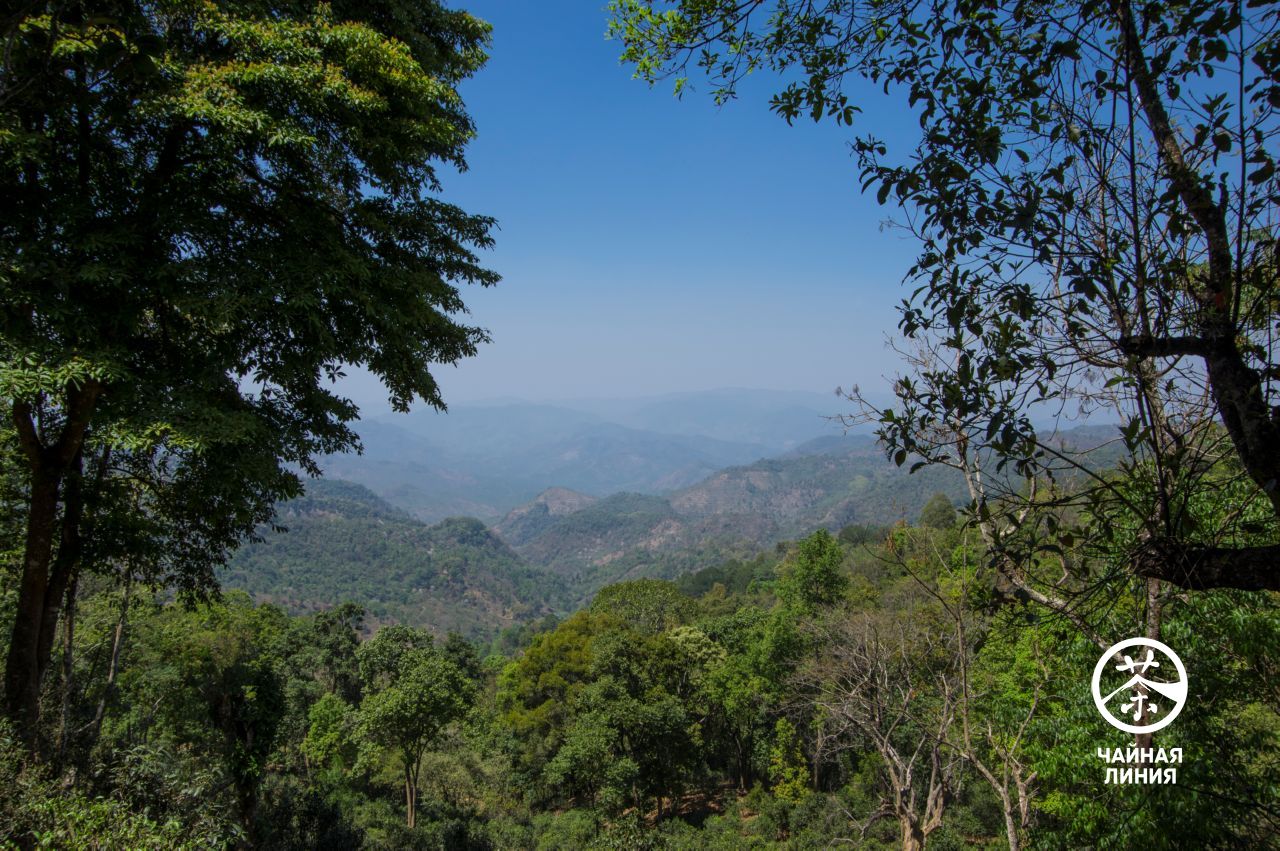
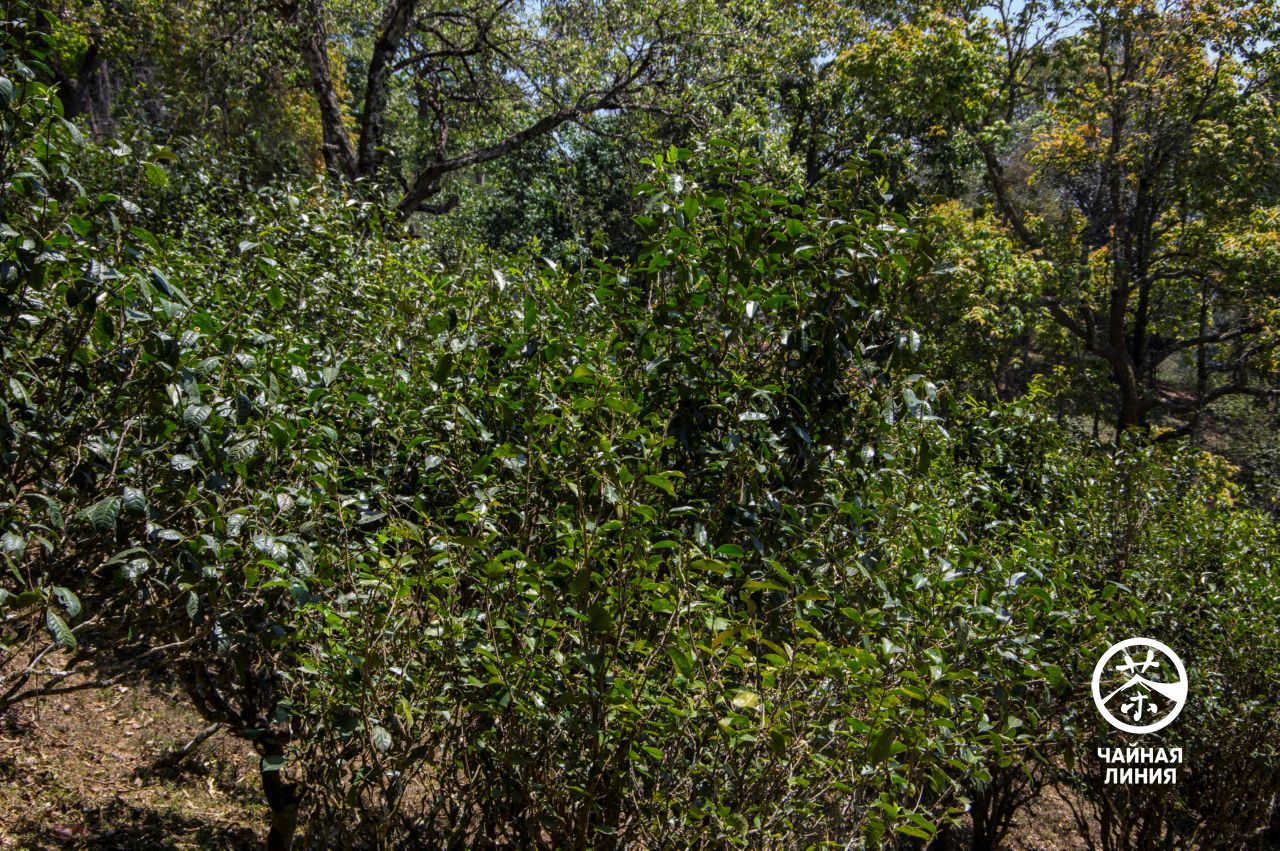
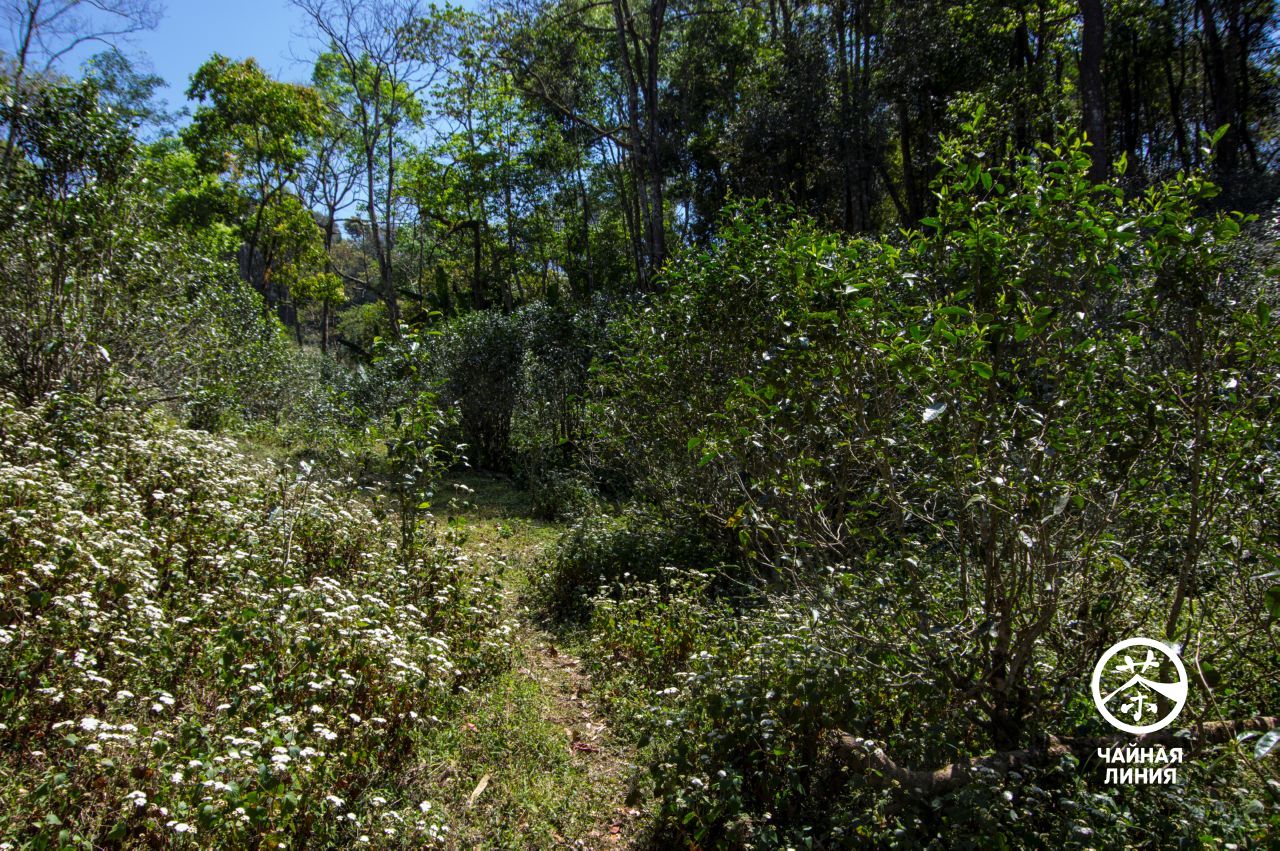
Most of the Yiwu region is occupied by mountains covered with forests, cut by gorges and fast rivers. The climate and soil of Yiwu Shan are an ideal combination for cultivating tea trees. High humidity, reaching 90%, large amounts of precipitation all year round and an average temperature of 18 C contribute to the rapid growth of large plants. An important factor in the success is the remoteness of the region from large cities and noisy civilization. This made it possible to preserve the tea plantations in their original form, without disturbing their natural habitat. The soil is also favorable - red soil with deep and rich layers.
The province has no distinct seasons, which is why Yunnan is called the "land of eternal spring."
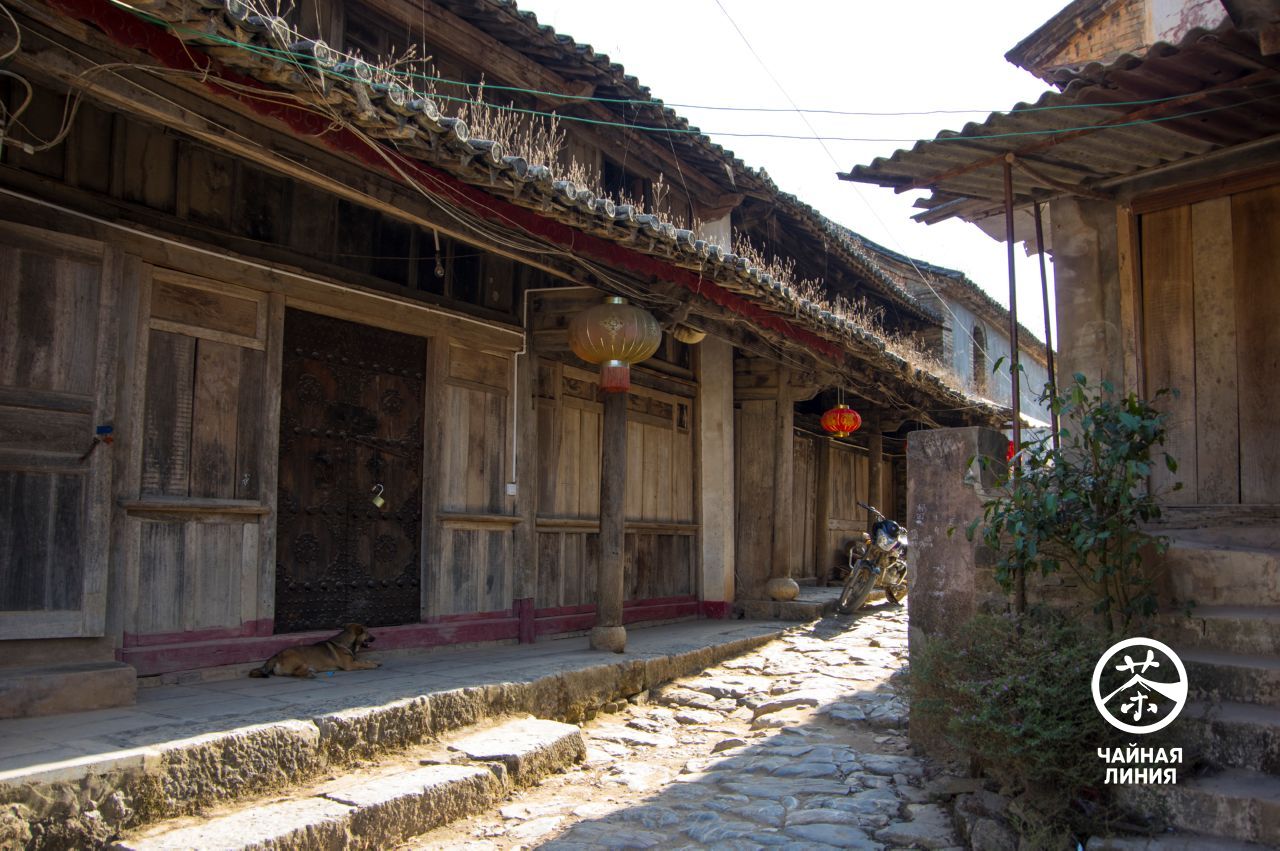
Growing tea trees has been the main occupation of the local population for many centuries. It is not difficult to find centuries-old plants here that remember the famous caravan route (Chinese: 茶马古道, pinyin: chámǎ gǔdào), along which tea was transported to other provinces of the country, and then sent to India, Nepal and many other countries. Old tea houses have survived to this day as evidence of the glorious trading past.


Tea Growing in Yiwu
The first mentions of tea cultivation date back to the early Qing Dynasty, when soldiers brewed the leaves of the plant to restore their strength after long campaigns. Gradually, tea plantations began to expand, and by the middle of the last century, handicraft production was replaced by mass production of world-famous varieties.
Tea cultivation has had its ups and downs. Thus, the times of the war with Japan were the first blow to the tea plantations, when many of them were abandoned and fell into complete decline. At the end of the 20th century, a large number of trees were destroyed due to the expansion of rice plantations, which, as was then believed, should bring in more income. The real boom of Puer tea, which has been noted in recent years, is returning the tea plantations to their former glory.
The most famous village is Ma Hei, located 10 km from the city. Here are concentrated tourist trails for those who want to see tea trees. The real tea harvest, which has not lost its traditions, can be seen in remote villages. Getting there is not easy, during the rains the roads are completely washed away, and the steep hills are covered with continuous jungle.
Although some former tea regions have been replaced by rice plantations, the collection of tea leaves remains one of the main sources of income for the local population. Many old tea trees are located in the villages of Gua Feng Zhai, Luo Shui Dun, Lao Ding Jia Zhai and in the vicinity of the town of Man La. Most of the ancient trees have been preserved at a distance from the villages, deep in the jungle. Today, about 70 tons of tea leaves from old plants are collected annually in the vicinity of the Yiwu region.
Tea trees have preserved their natural environment, so even in the 21st century they grow without the use of any fertilizers or pesticides. There are also record holders among the trees. Their height reaches 14 m, and the famous Royal Tea Tree, which grows near the Lo Shui Cave, has a "height" of 10 m. The average age of such long-livers is 400-500 years, and some representatives - up to 700 years.
The leaves of Yiwu tea plants are characterized by an elongated shape with veins along the length and a rich green color. The harvesting period lasts almost a year - from mid-February to the end of November.
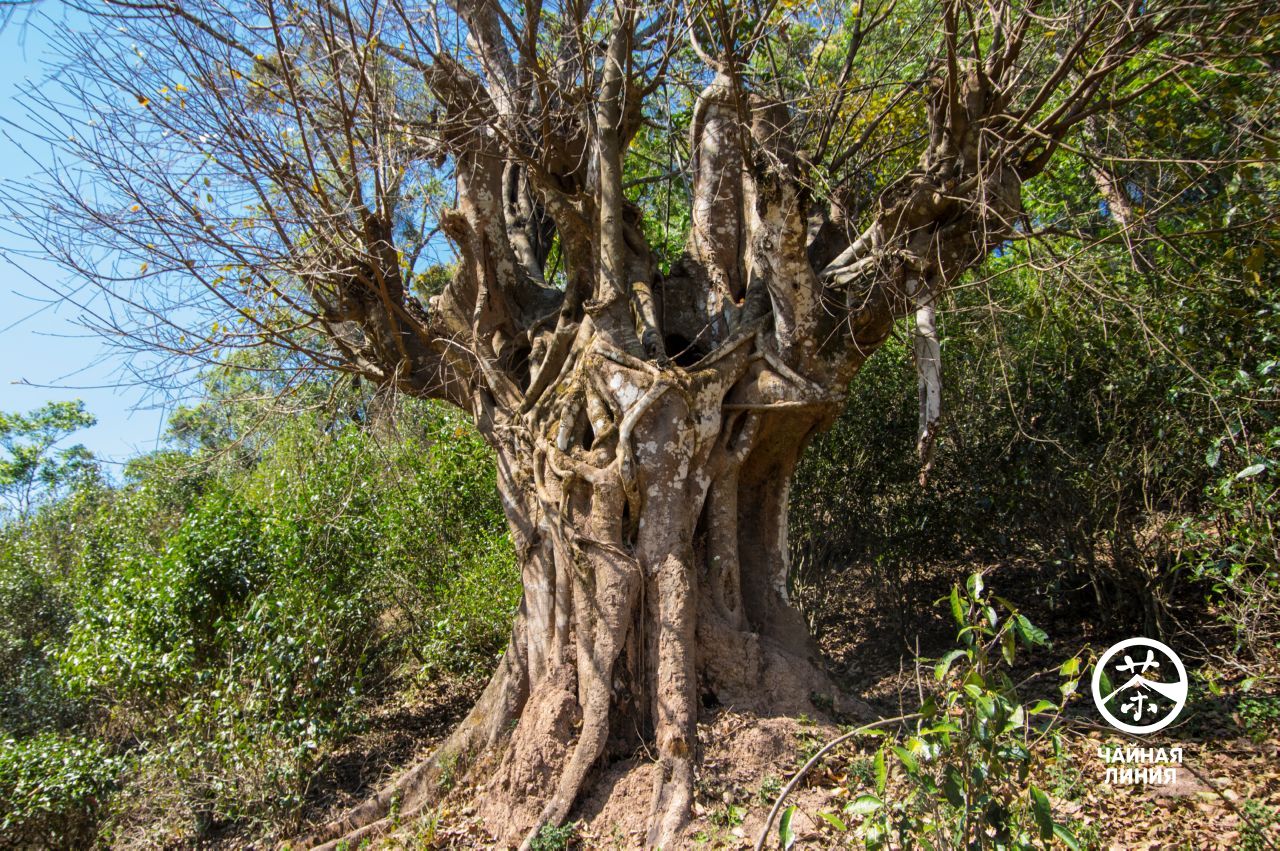
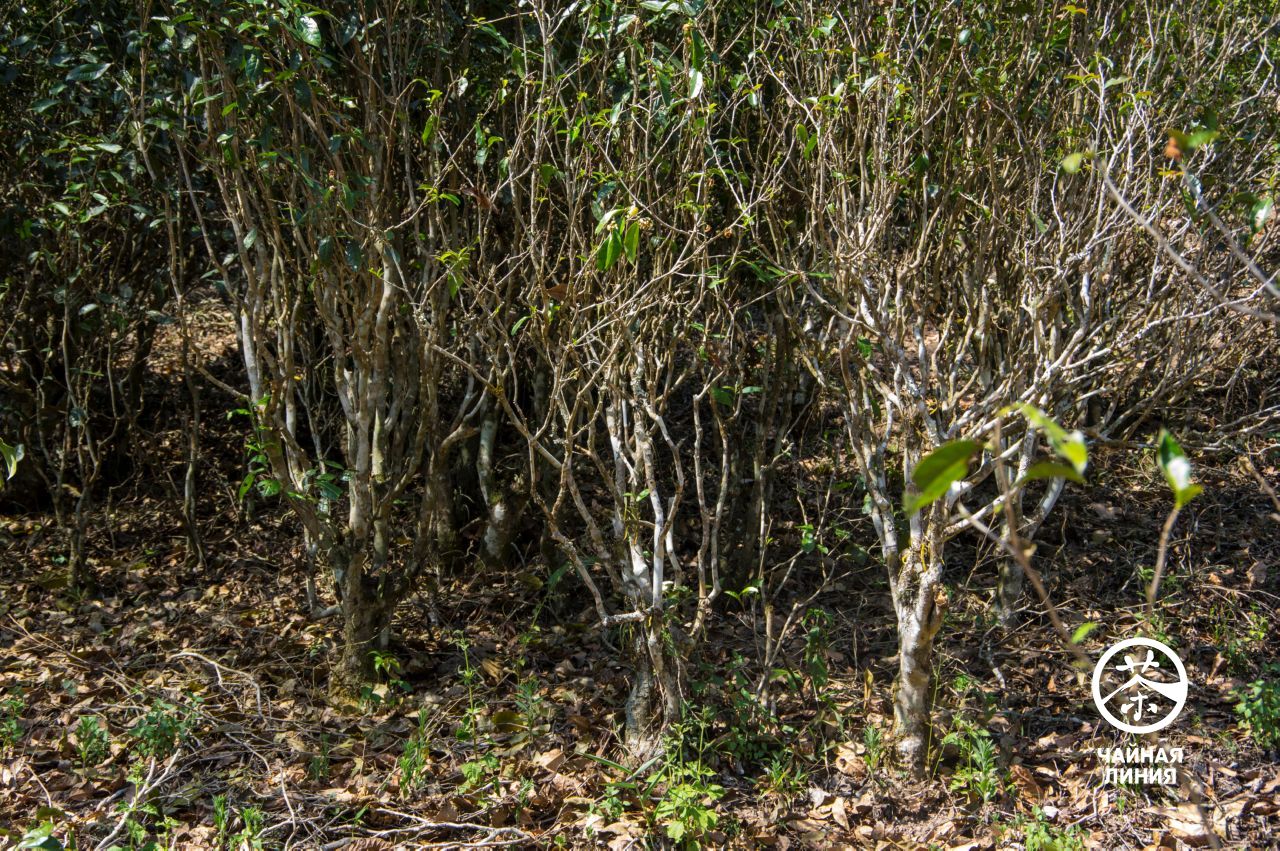
Some of the most famous ancient trees from the Yiwu mountains include:
- Imperial Plant from Luoshuihe;
- Tongqinghe tree with dense crown;
- large ancient tree Sadai;
- tree from Guafengzhai.
Among the most famous trees bred by selective breeding is Tai Di Cha. Their raw material is supplied to factories for mass production.
What is special about Sheng Puer tea?
Yiwu Mountain Sheng Pu'er Tea, with its classic delicate taste, is produced in the form of a pancake with a mark. The taste of the tea is influenced by the ratio of polyphenols and amino acids, so its taste characteristics can be both very delicate and more intense. Compared to other varieties, Yiwu Sheng Pu'er is soft, aromatic, rich in linden honey, berries and vanilla. It contains many vitamins A, B, C, E, as well as potassium, magnesium, manganese and zinc.
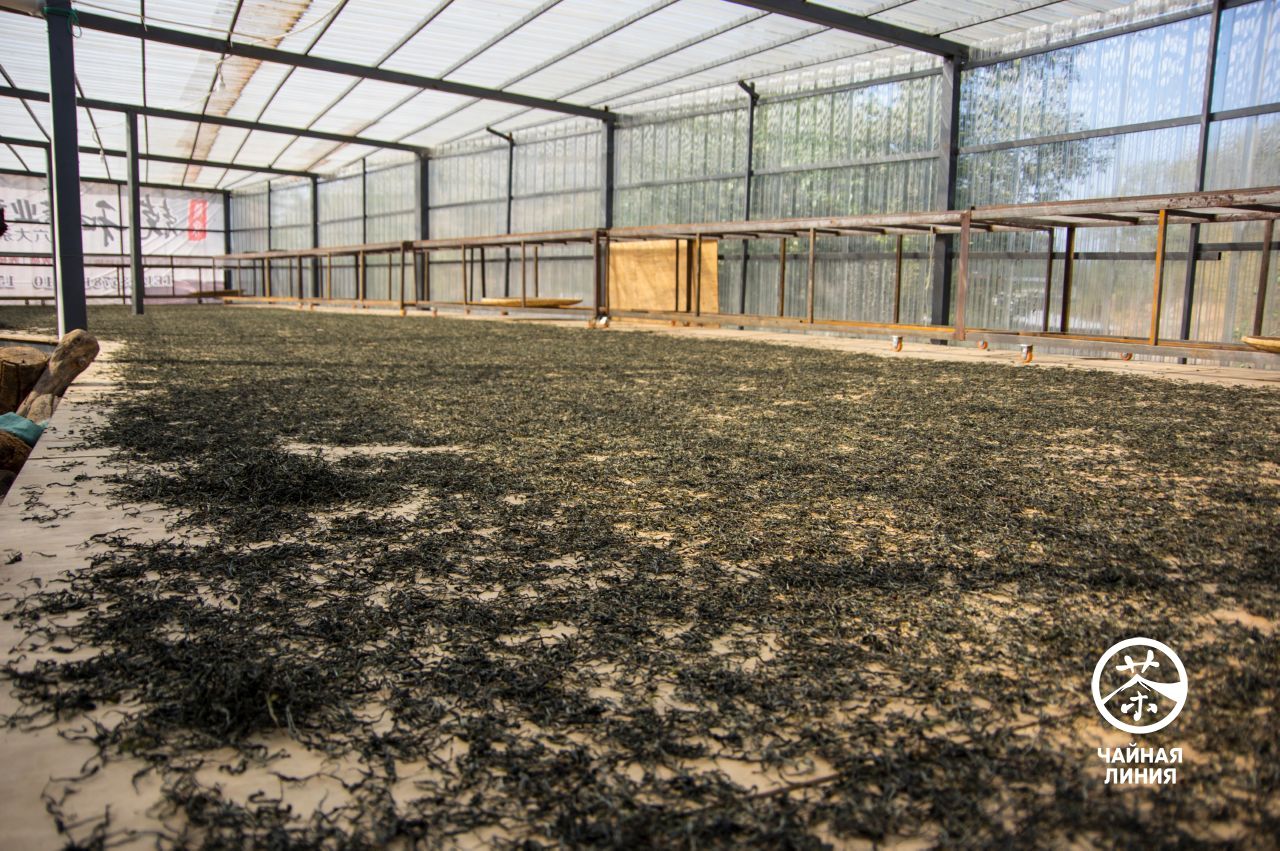
Useful properties of tea collected on the peaks of Yiwu:
- has a rejuvenating effect;
- lowers blood sugar and cholesterol levels;
- prevents the development of cardiovascular diseases and the appearance of malignant tumors;
- normalizes blood pressure;
- improves the functioning of the digestive system;
- strengthens tooth enamel;
- reduces blood viscosity.
The traditional astringency of Puer tea in this variety is more relaxed and sweet. The noble taste of the refined drink lacks aggressive strength, it is replaced by a light refreshing taste. The aromatic aftertaste of the tea lifts the mood, invigorates and fills with optimism.