Tea region of the Wuyi Mountains
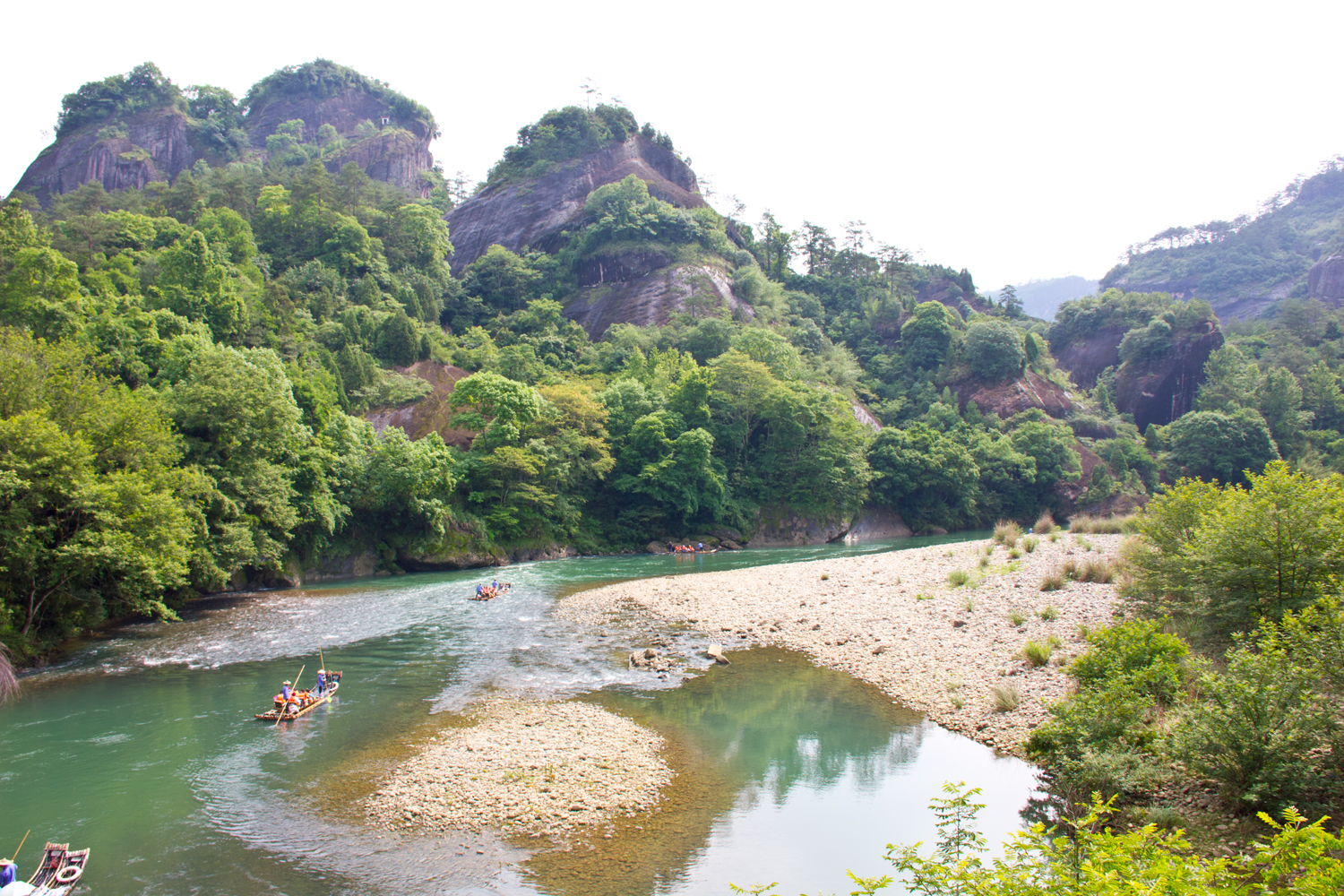
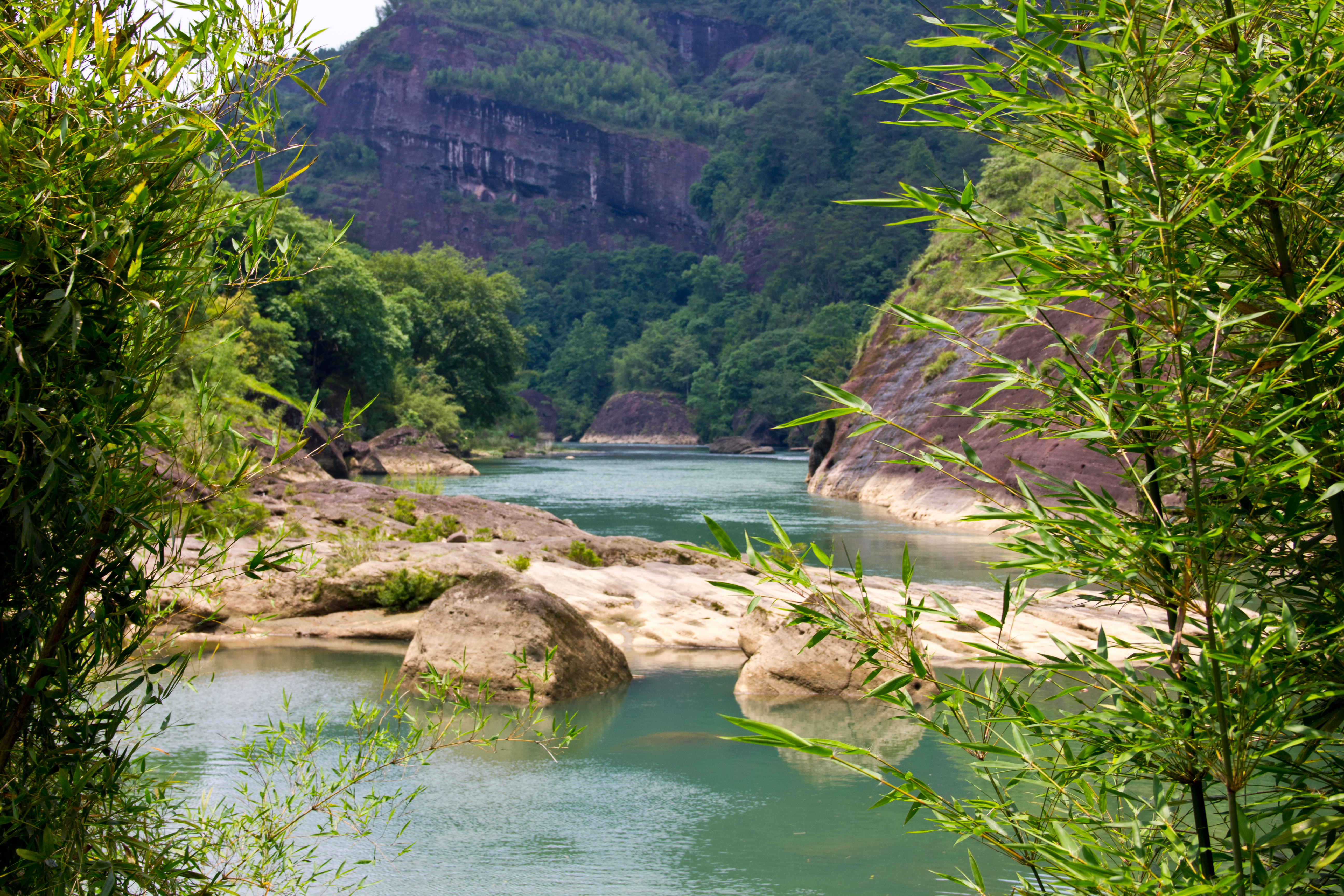
In China, the Wuyi Mountains are sacred to Buddhism, Taoism and Confucianism. The best works of Chinese poetry were created in these mountains. Writers, philosophers and artists drew inspiration from these alluring peaks shrouded in mist.
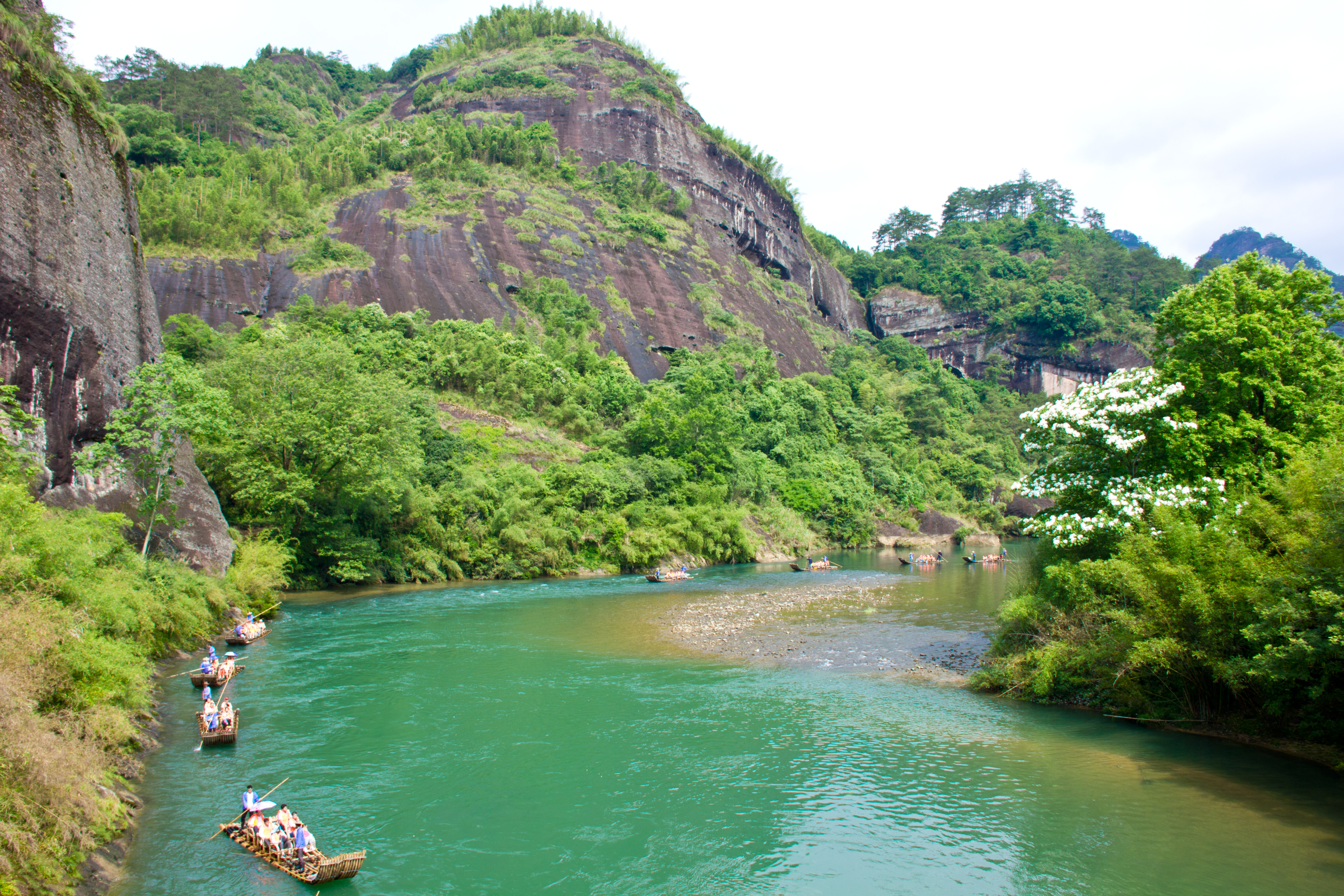
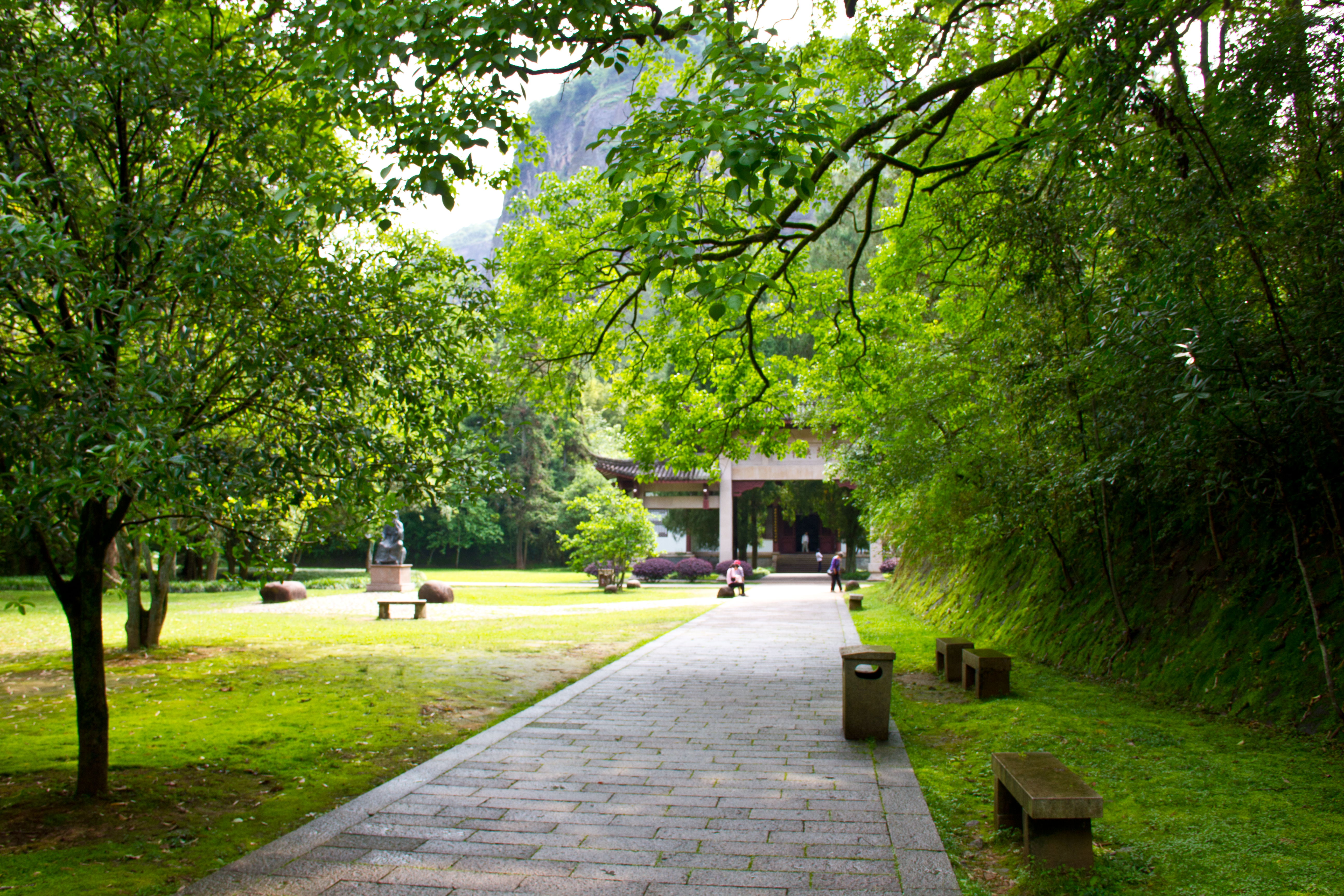
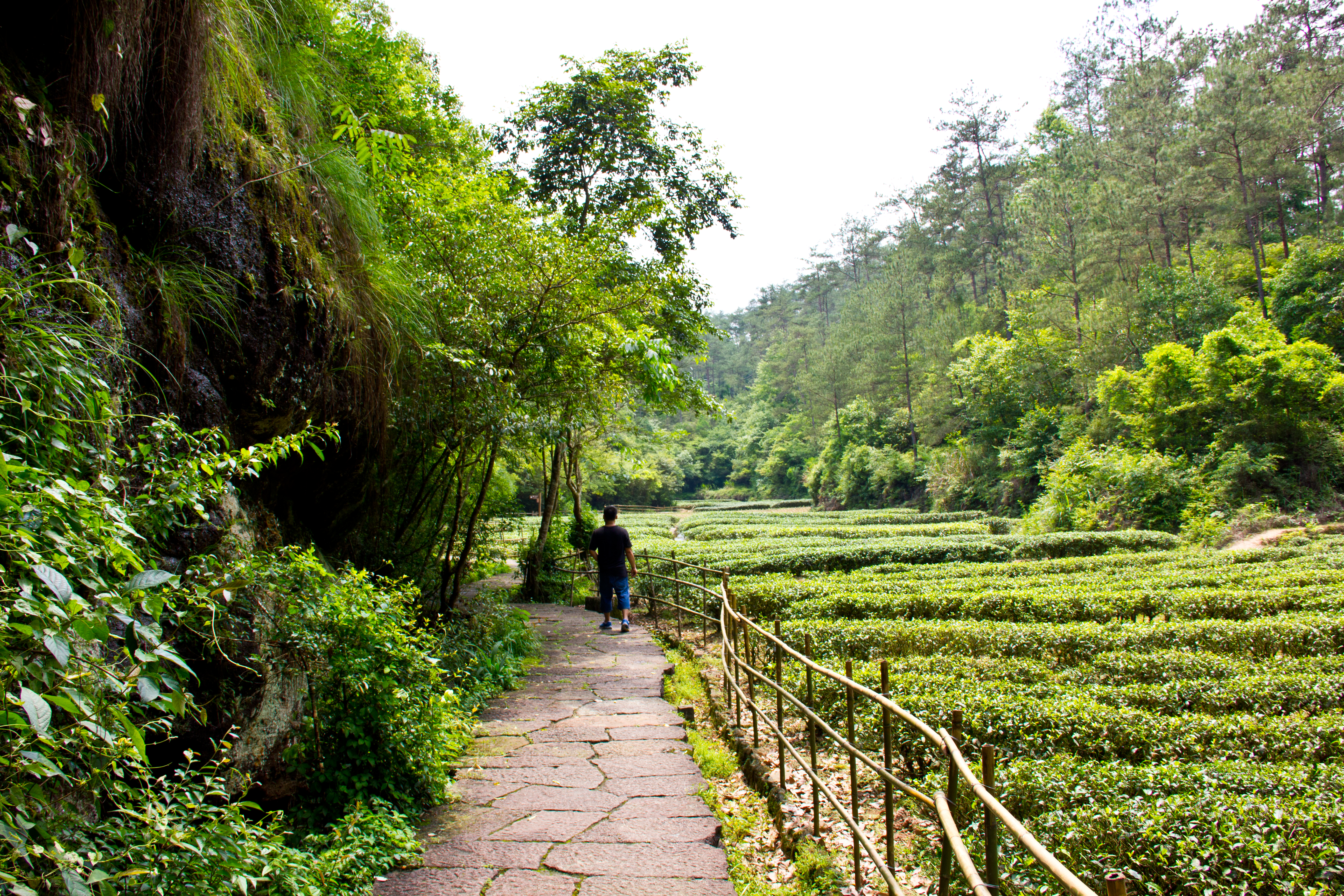
The territory of Wuyi Mountain, the birthplace of Da Hong Pao tea, is a nature reserve, with tea plantations on all sides, along with historical and natural attractions. At the height of the tourist season, hiking enthusiasts climb the mountain peaks, and extreme sports enthusiasts will enjoy rafting on a mountain river. In the monasteries, where followers of the three teachings live to this day, the doors are open to anyone who needs to be alone with themselves, find answers to questions or think about new ideas.
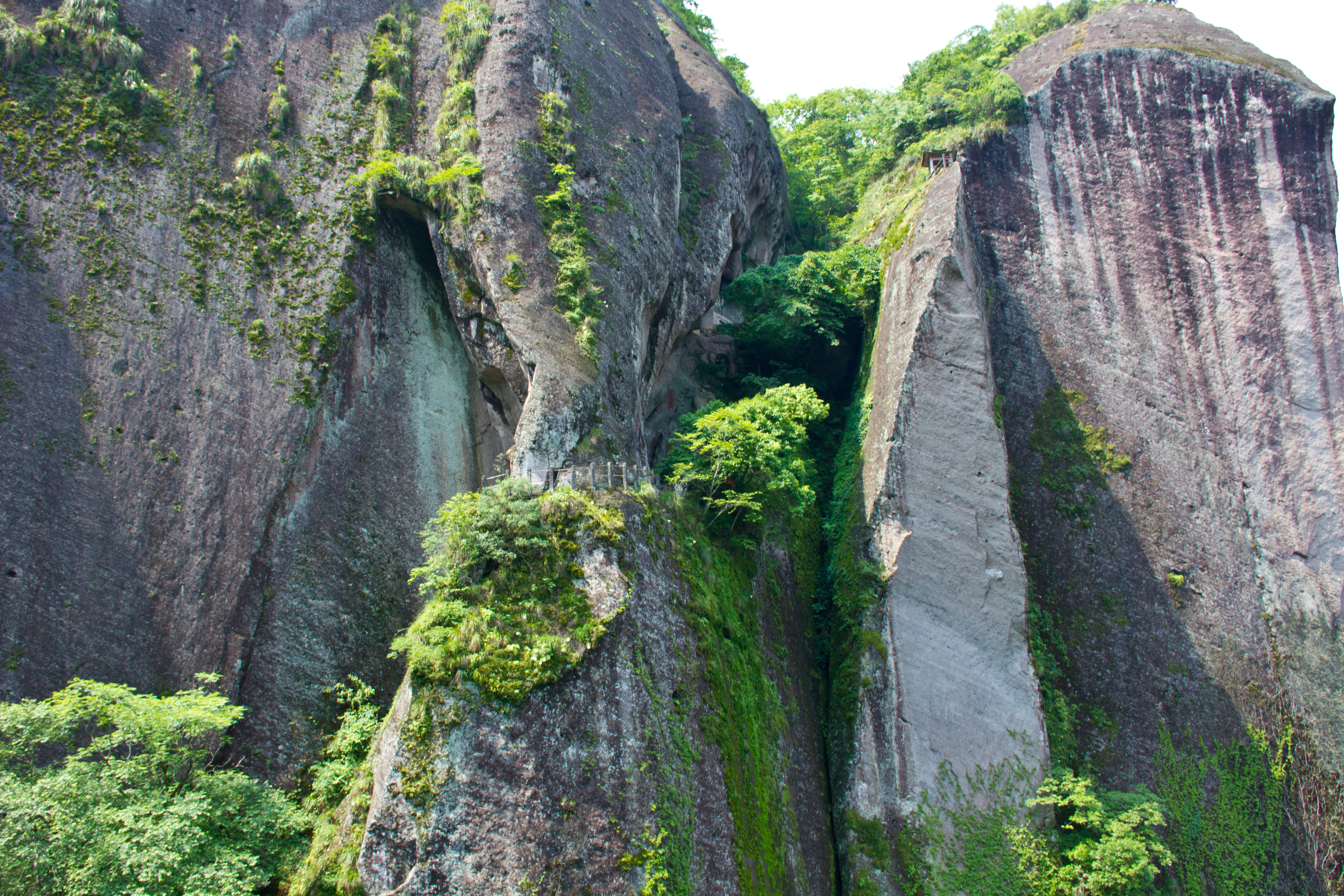
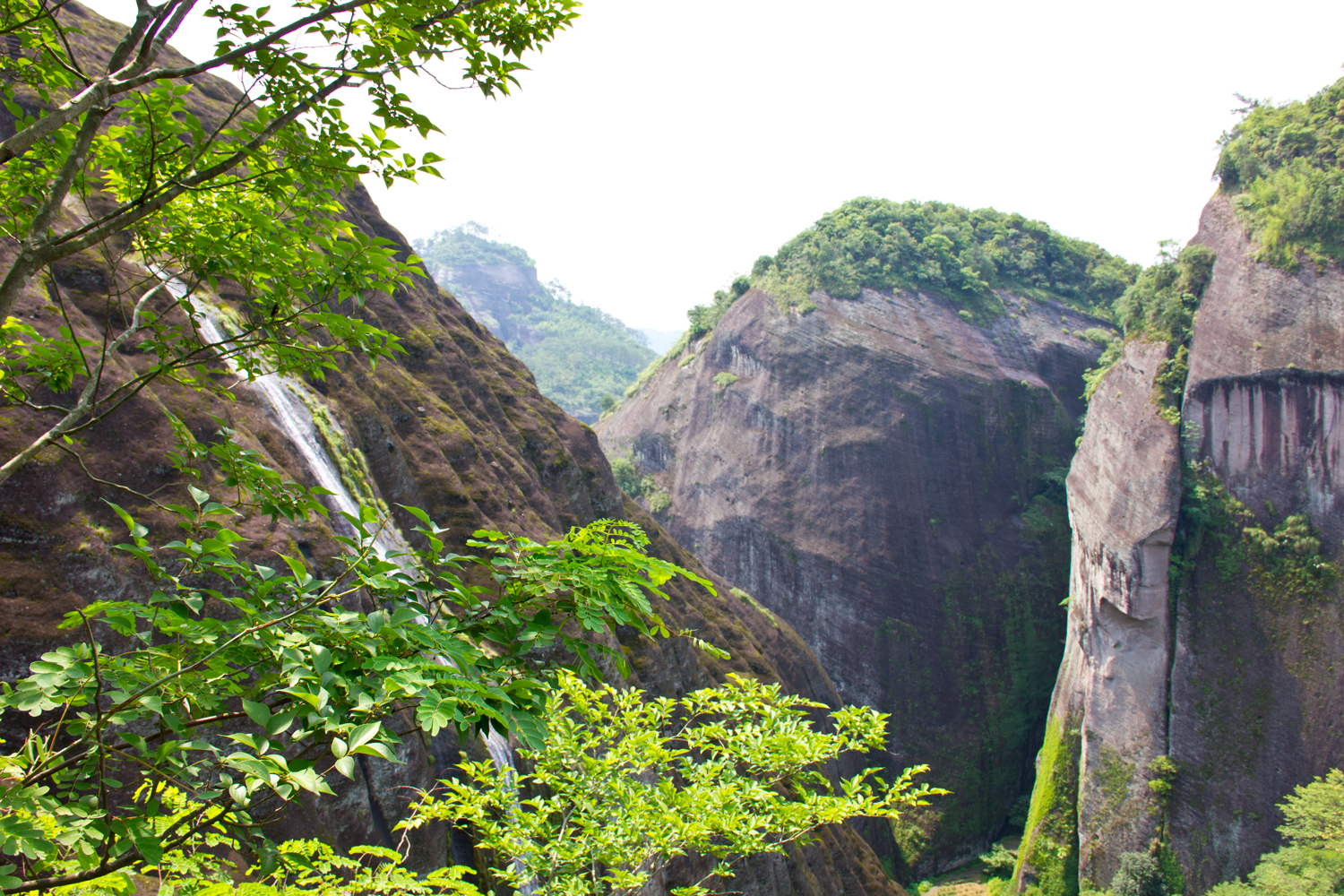
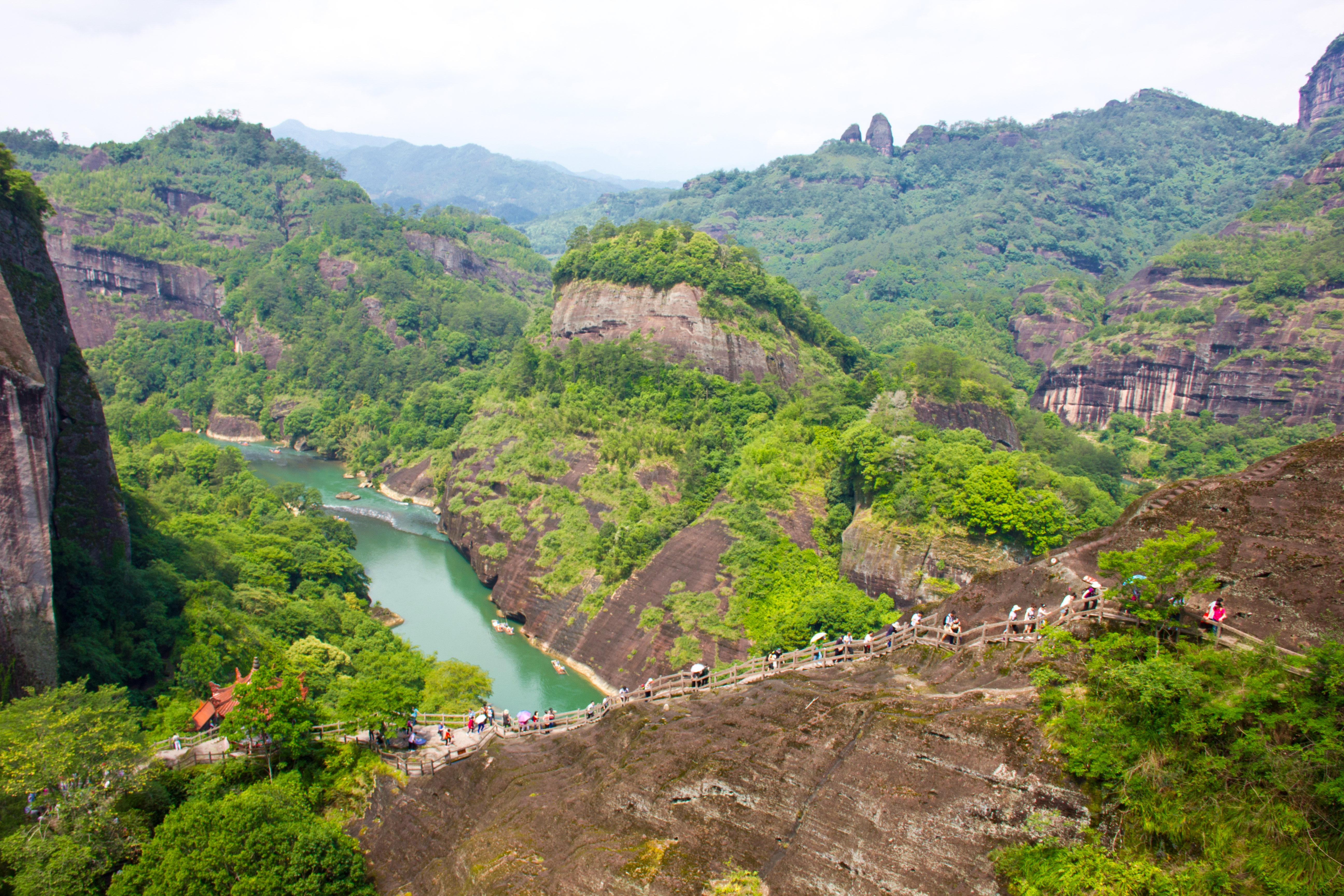
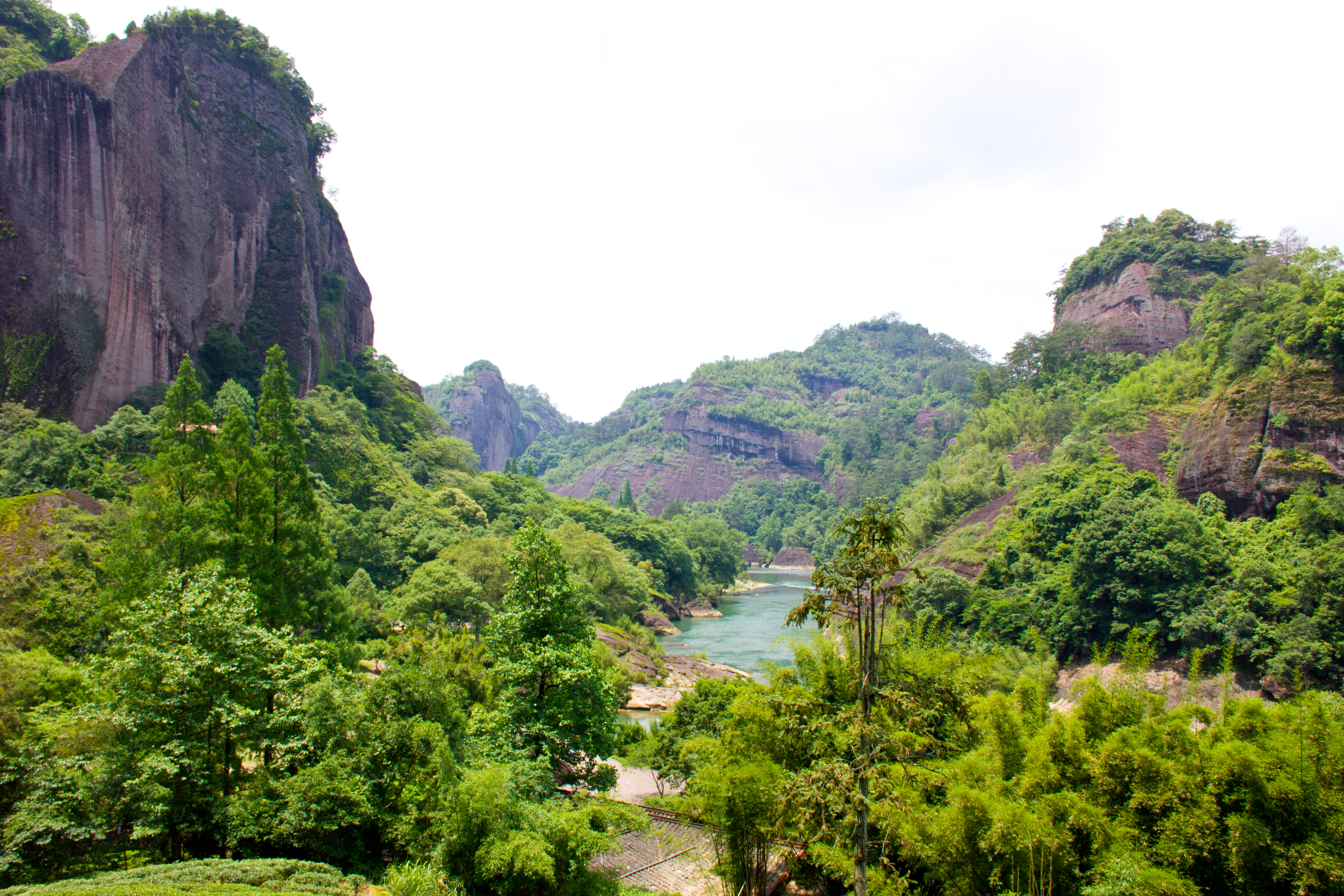
Wuyi Mountain is located at 118 degrees east longitude and 27 degrees north latitude in northern Fujian Province, with an average altitude of over 600 meters above sea level. The area is surrounded by mountains in the east, west and north, and the central and southern parts are relatively flat. The cliffs of Wuyi Mountain are composed of shale, conglomerate, quartz banyanite, red sandstone and other rocks, and the cliff surface is mainly red and yellow soil.
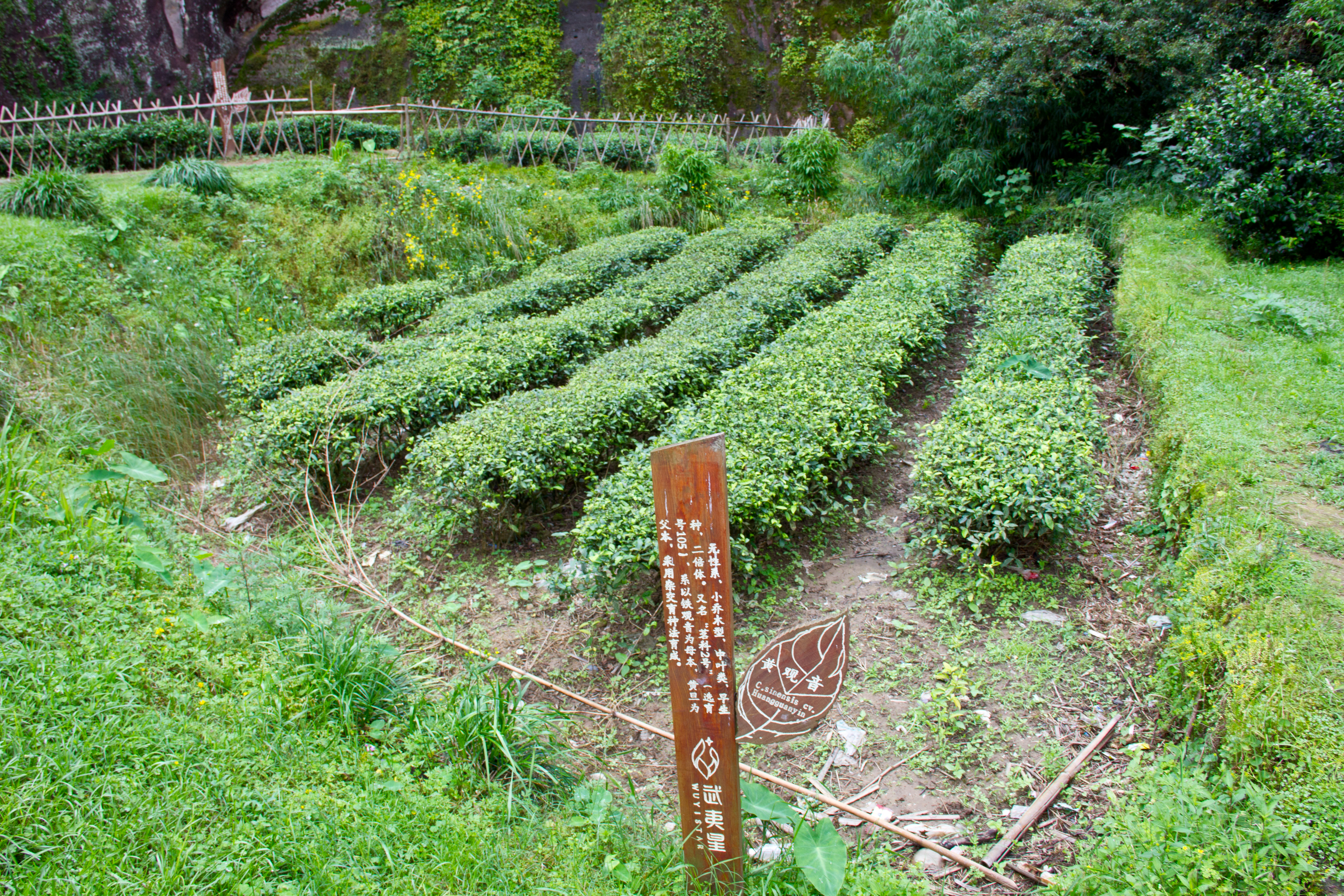
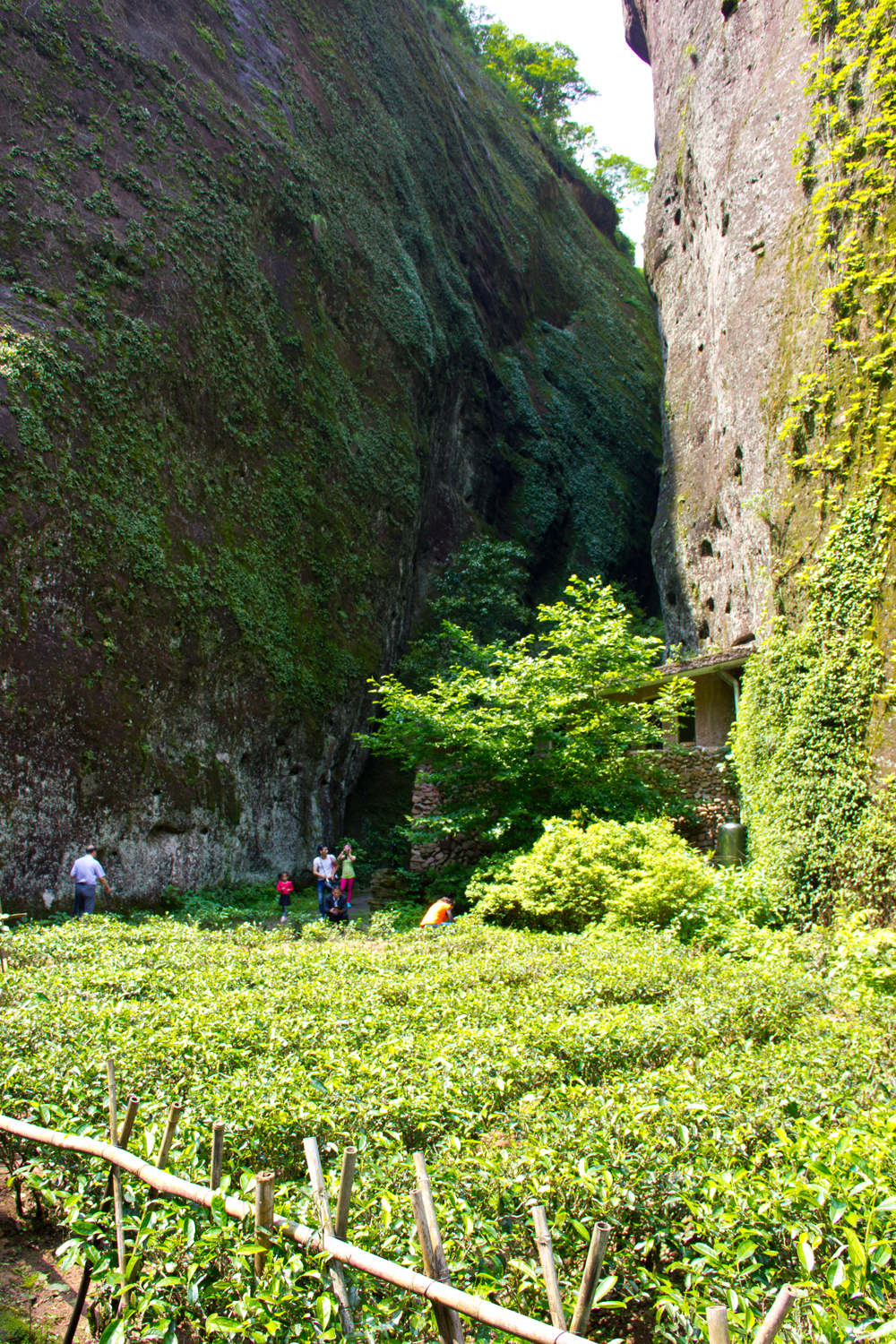
Most of the tea plantations in the Wuyi Mountains are located on land covered with gravel and brittle rocks. However, there are significant differences in soil pH, trace elements and soil porosity within different tea areas, which directly affects the differences in tea quality.
The other areas are also inferior. The soil structure is dominated by sand and gravel, the daylight period is longer, so the tea tree grows faster, which does not contribute to the accumulation of substances. Tea leaves produced here have a less pronounced aroma, a less soft taste, a little bitterness
According to popular belief, the area where rock tea grows is divided into regions:
- Central Hexin China. 核心正岩, pinyin Héxīn zhèng yán),
- Zhenyan district (Chinese: 正岩, pinyin zhèng yán),
- Banyan (Chinese: 半岩, pinyin: Bàn yán),
- Weishan (Chinese: 外山, pinyin: Wàis).
The Hexin area, also called Dakenkou (Chinese: 大坑口, pinyin: Dà kēngkǒu), includes the "Three Ravines, Two Gorges" (Chinese: 三坑两涧, pinyin: Sān kēng liǎng jiàn) of the Wuyi Mountains:
- Huiyuanken (Chinese: 慧苑坑, pinyin Huìyuàn kēng),
- Nyulankeng (Chinese: 牛栏坑, pinyin: niúlán kēng),
- Daoshuiken (Chinese: 倒水坑, pinyin Dào shuǐ kēng),
- Liu Xiang Jian (Chinese: 流香涧 pinyin: liú xiāng jiàn),
- Wu Yuan Jian (Chinese: 悟源涧 , pinyin: wù yuán jiàn).
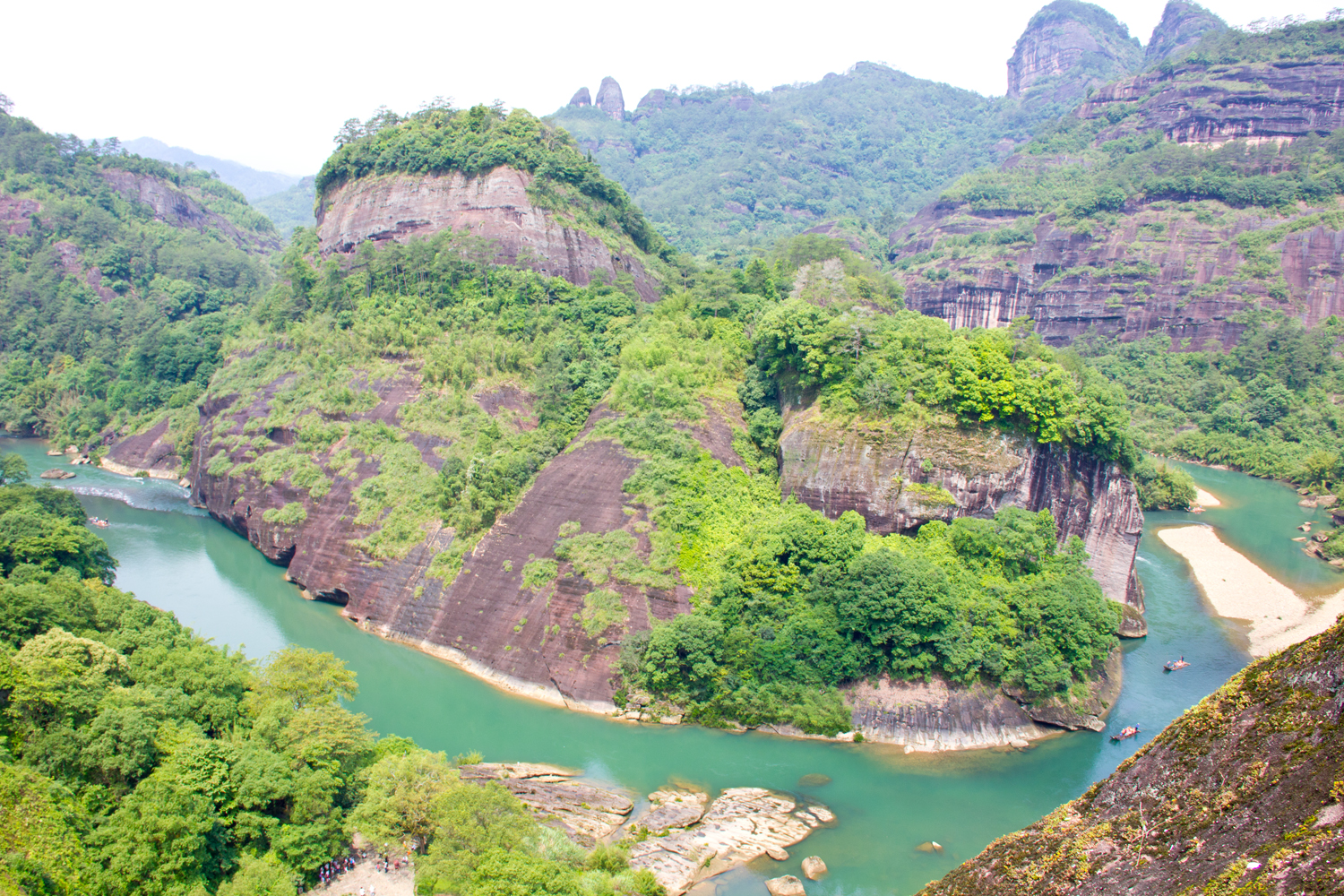
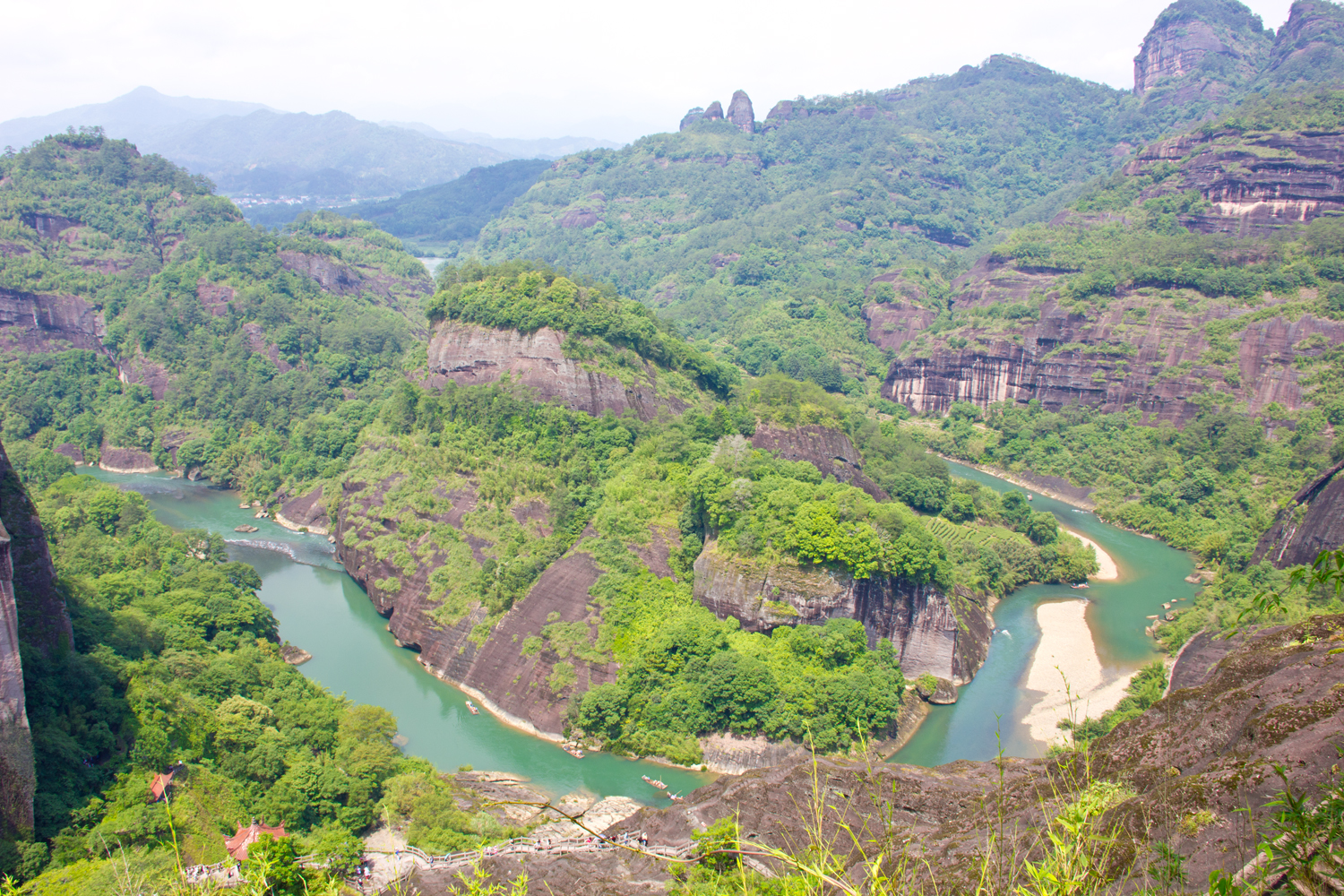
The Zhengyan area (Chinese: 正岩, pinyin: Zhèng yán) runs along the Nine Bend Stream (Chinese: 九曲溪, pinyin: jiǔqūxī). Various types of tea grow here on different types of soil. The gravelly sandy loam in the Zhengyan mining area has good water-retaining properties and ventilation characteristics. Due to the light-blocking effect of rocks and thermal radiation, the sunny day in Zhengyan is relatively short and the air humidity is somewhat lower. Therefore, the tea trees in the Zhengyan area grow relatively slowly, which helps the beneficial substances contained in the tea trees accumulate.
The Banyan (Chinese: 半岩, pinyin: Bàn yán) production area is located around Hexin and Zhenyan. The water retention capacity, soil aeration and relative humidity in the Banyan (Chinese: 半岩, pinyin: Bàn yán) production area are not as good as those in the Zhenyan area, but due to the unique texture and layering of the soil, the coordination of air and moisture, the tea trees in this production area grow moderately, and the drink is obtained with a mild taste and aroma.
The territory of Waishan is located around the city of Wuyishan, the relief of which is closer to the plains, and the soils are more sandy, so tea from these places is called Zhou cha (Chinese: 洲茶, pinyin: zhōuchá) - "plain tea". The counties of Jianyang, Jianyou, and others belong to Waishan.
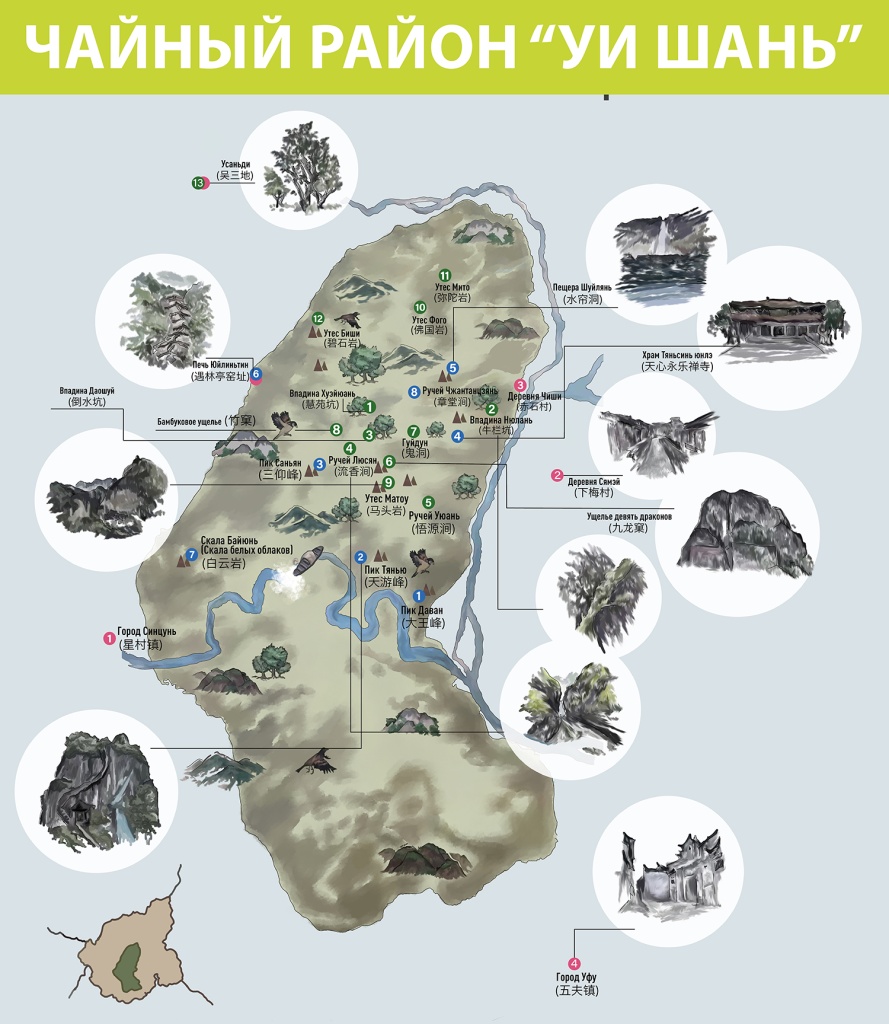
Famous towns and villages adjacent to the Wuyi Shan region (numbers in red)
Xingcun City is located in the southwest of the Wuyi Mountains and includes one community and fifteen villages. For many years, local residents have been producing tea. Since the Qing period, they have grown a unique variety of red tea - xiaozhong hong cha, which was sold to Western Europe since the 17th century. The highest peak in the area, 2157.7 m above sea level, is the highest in Eastern China. The lowest point is Xingcun Malianzhou Village, 191 meters above sea level.
Xiamei Village is located in the east of Wuyi City, 8 km from Wuyi Mountain Scenic Area and 6 km from Wuyi City, with a population of over 2,500 people and 500 households. During the Shang and Zhou Dynasties, there are traces of human activity in the Neolithic Age. The village was built in the Sui Dynasty, and the market flourished in the Qing Dynasty. It is a famous historical and cultural village in China, which was given special status in 2005. There are about 30 ancient buildings preserved in it.
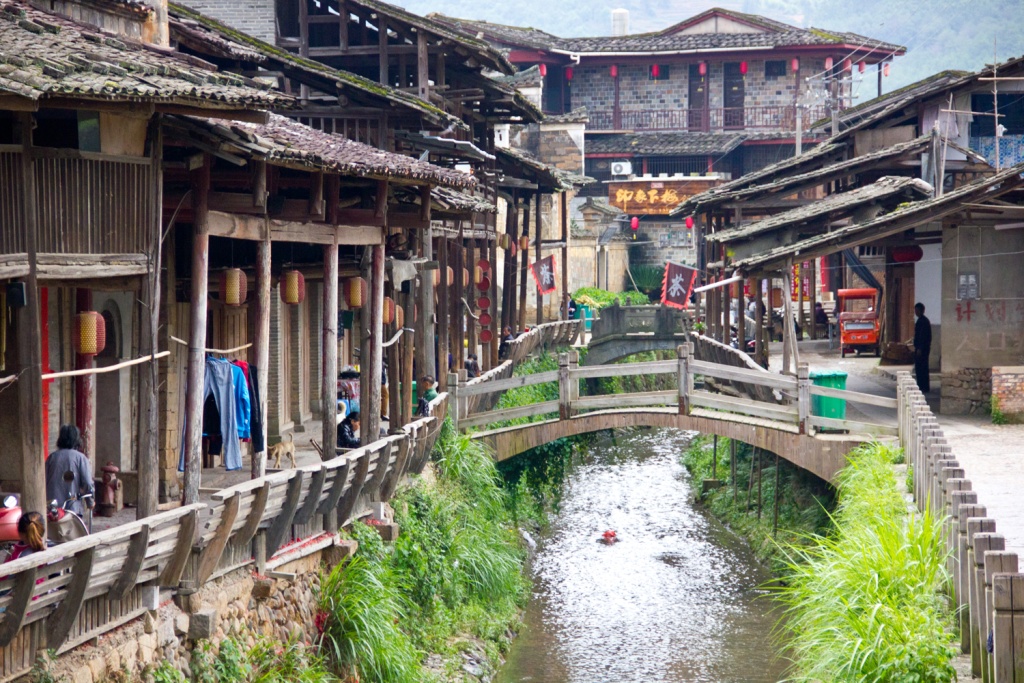
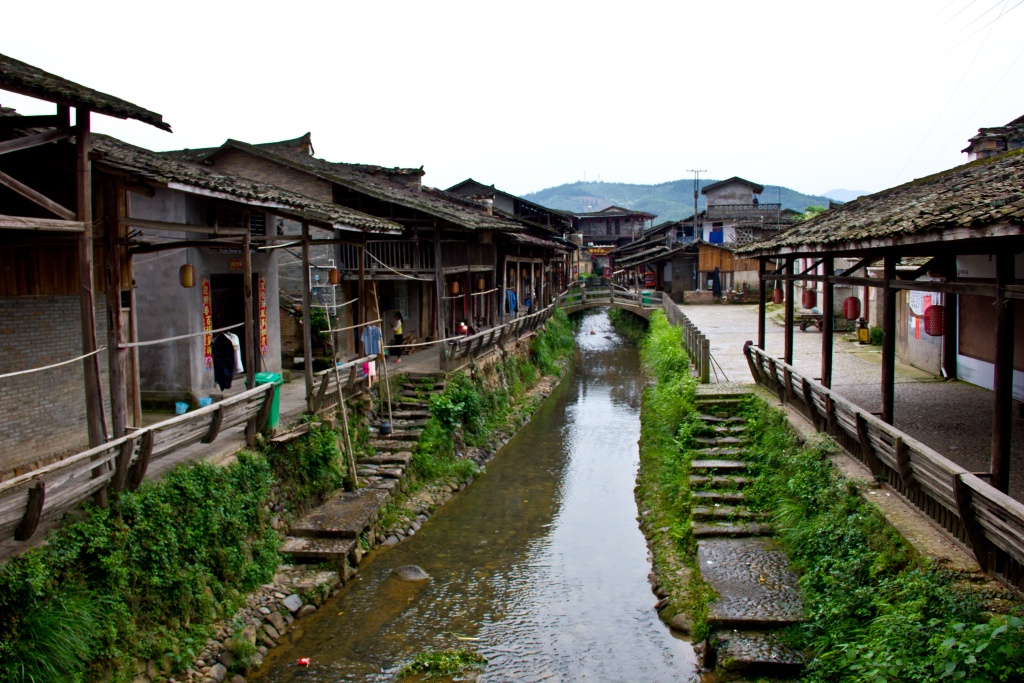
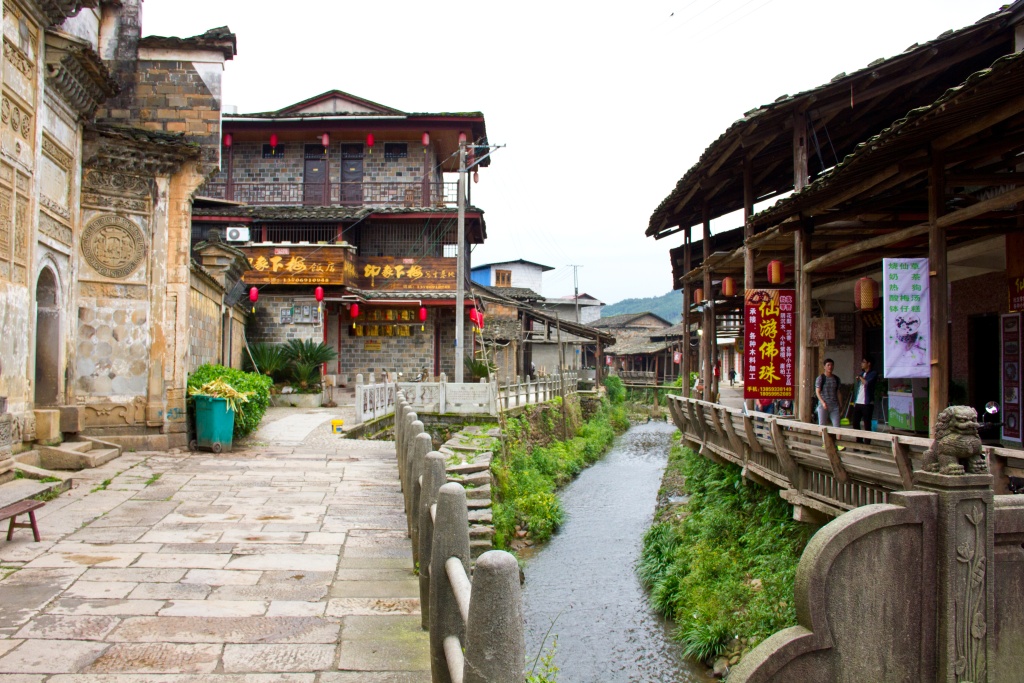
Chishi Village is a district of Nanping City, Fujian Province, with a population of 1,038 and an arable land area of 1,748 mu. It consists of four districts: Old Chishi (Chinese: 旧赤石, pinyin: jiù chìshí), New Chishi Village (Chinese: 赤石新村, pinyin: chìshí xīncūn), Nan'an (Chinese: 南庵, pinyin: nánān), Xinyang (Chinese: 新阳, pinyin: xīnyáng). The village has eight village groups, 282 households, and a population of 1,038.
During the Tang and Song Dynasties, with the development of tea trade, Chishi became the main market in this region. By the end of the Qing Dynasty, there were shops, restaurants, casinos and other entertainment facilities for merchants everywhere, so it was called "Little Shanghai".
Ufu City is located in the southeast of Wuyi Mountain. Zhu Xi (1130-1200) - an outstanding Confucian philosopher of the Song Dynasty, the founder of Chinese Neo-Confucianism) lived here for more than 40 years. In June 2019, Ufu City was recognized as a cultural heritage site of Fujian Province "Ancient Towns of the Millennium" (Ancient Villages).
.
Green numbers – mountain terroir
This is one of the most famous and picturesque places in the Wuyi Mountains. It belongs to the central part of Zhengyan. Together with the Niulan Basin (Chinese: 牛栏坑, niúlán kēng), Liuxiang Stream (Chinese: 流香涧, liúxiāng jiàn) and Wuyuan Stream (Chinese: 悟源涧, wùyuán jiàn), it is located on a purple sand conglomerate. This is the territory of the famous Three Ravines, Two Gorges (Chinese: 三坑两涧, pinyin: Sān kēng liǎng jiàn) area. The soil contains a lot of gravel, up to 24.83 ~ 29.47%, the layer is thick, loose, the porosity is about 50%. It has good air permeability, in the rocky gorges of the valley - short summer sun, cold wind in winter and streams flow along the bottom of the gorges. The soil contains a lot of potassium, manganese and has an ideal level of acidity. According to legend, it was in the Huiyuan Depression that the famous 800 tea bushes of Wuyi Mountain grew.
The area is located between the Zhangtang Stream (Chinese: 章堂涧, pinyin: Zhāngtáng jiàn) and the Jiulongke Mountain Range (Chinese: 九龙窠, pinyin: Jiǔlóng kē), and is one of the three most important mountain valleys in the Wuyi Mountains. The gorge is covered with dense forest, and the mountain stream provides the vegetation with sufficient moisture. Rich soil, short daylight hours, and weak winds make this place ideal for growing tea trees and one of the most important places in this region. The main variety of local tea trees is called Rougui (Chinese: 肉桂, pinyin: Ròuguì). By shortening two words: the name of the tea (Zhougui - 肉桂) and the name of the place (Niulan - 牛栏), the name of the most famous tea Niuzhou cha (Chinese: 牛肉茶, pinyin: Niúròu chá) is formed. This cliff tea is often contrasted with the local tea Shuixian (Chinese: 水仙, pinyin: shuǐxiān). If Niuzhou is famous for its bold aroma, then Shuixian is known for its softness. The famous aroma of Niuzhou tea is associated with the growing conditions of the tea raw materials. Trees grown along the gorge receive little light, so the leaves contain little phenol ammonia, and the content of amino acids is increased, which gives the drink a sweet-sounding aroma, delicate, with characteristic notes of flowers, freshness and slight bitterness.
The Niuzhou variety is an oolong tea with a history of over a century. The finished rock tea is tightly twisted, blue-brown, and the tea infusion has a bright aroma.
See description under number 4.
Formerly known as Daoshui Basin (literally, "reverse flow"), it is located at the northern foot of Tianxin Cliff (Chinese: 天心, pinyin: Tiānxīn). All the streams and springs in the Wuyi Mountains flow from west to east, toward the mouth of the gorge, and converge at the Chongyang River (Chinese: 崇阳, pinyin: Chóngyáng). Only one mountain stream originates from the northern valley, and the direction of its flow is west, hence the name "reverse flow". On both sides of the gorge are green forests, water flows from the cliffs, and the scent of orchids and other flowers spreads everywhere. The poet Xu Huotong of the Ming Dynasty traveled here, and it was he who renamed the stream Liuxiang (literally, "flowing fragrance").
A quiet and serene place located on both sides of a mountain stream. On a stone wall next to the stream, there is an inscription with the name of the place. It was made by tea merchants from Jiangxi who donated money for the construction of the stone road.
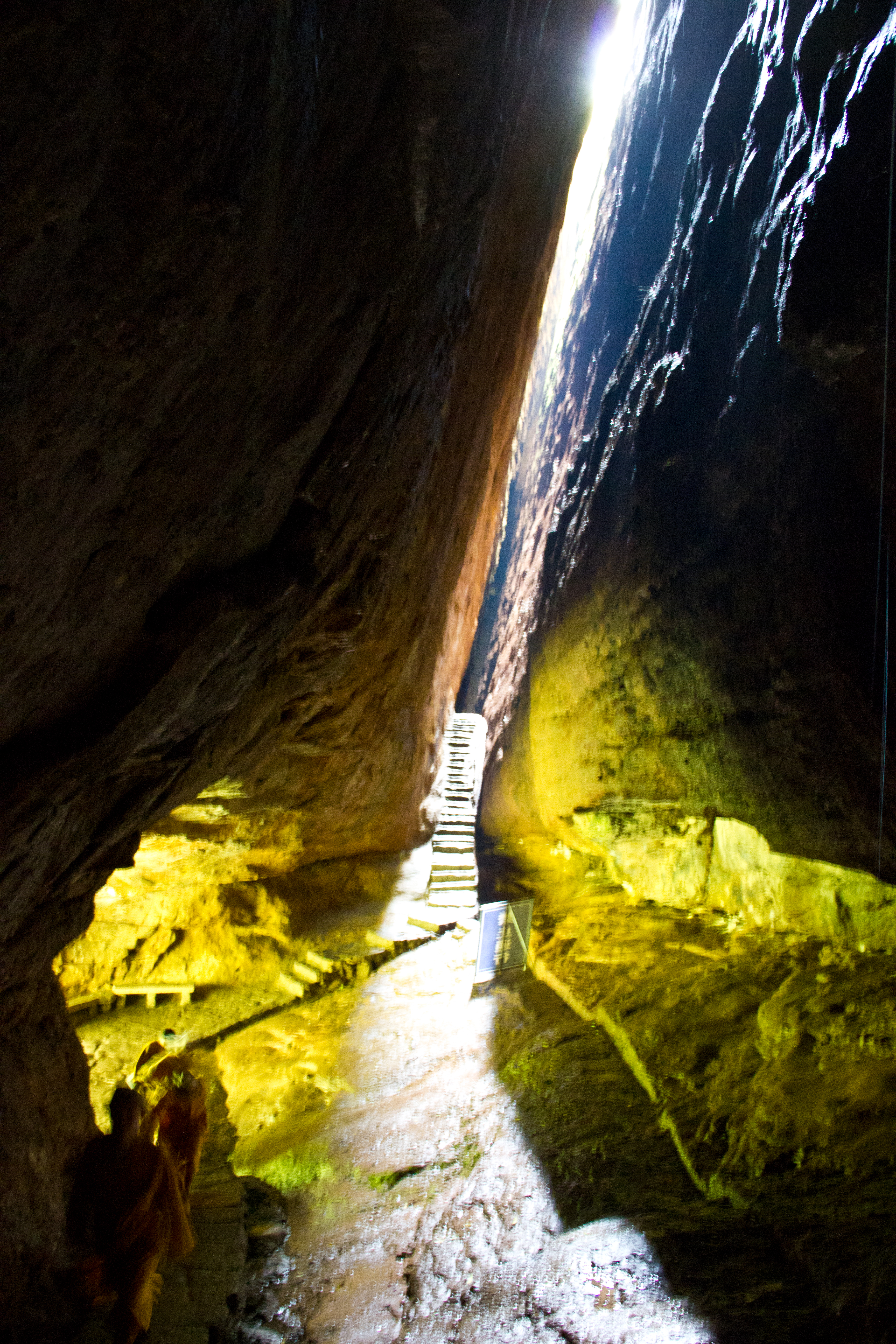
This is the origin of Da Hong Pao tea (Chinese: 大红袍, pinyin: Dàhóng páo), a deep narrow gorge (canyon), popularly called an empty pit, the relief of which stretches far into the distance, rising and falling like a large dragon. Therefore, this place received the name associated with nine dragons. In the canyon, there is a round top, which is called the dragon pearl. On both sides of the stone path, 36 different varieties of tea grow:
- Baijiguan (Chinese: 白鸡冠, pinyin: Báijīguān),
- Dahongpao (Chinese: 大红袍, pinyin dàhóngpáo),
- Bantianyao (Chinese: 半天腰, pinyin bàntiānyāo),
- Shuijingui (Chinese: 水金龟, pinyin shuǐ jīnguī),
- Telohan (Chinese: 铁罗汉, pinyin tiěluóhàn),
- Baimudan (Chinese: 白牡丹, pinyin bái mǔdān),
- Bairui (Chinese: 百瑞, pinyin bǎiruì).
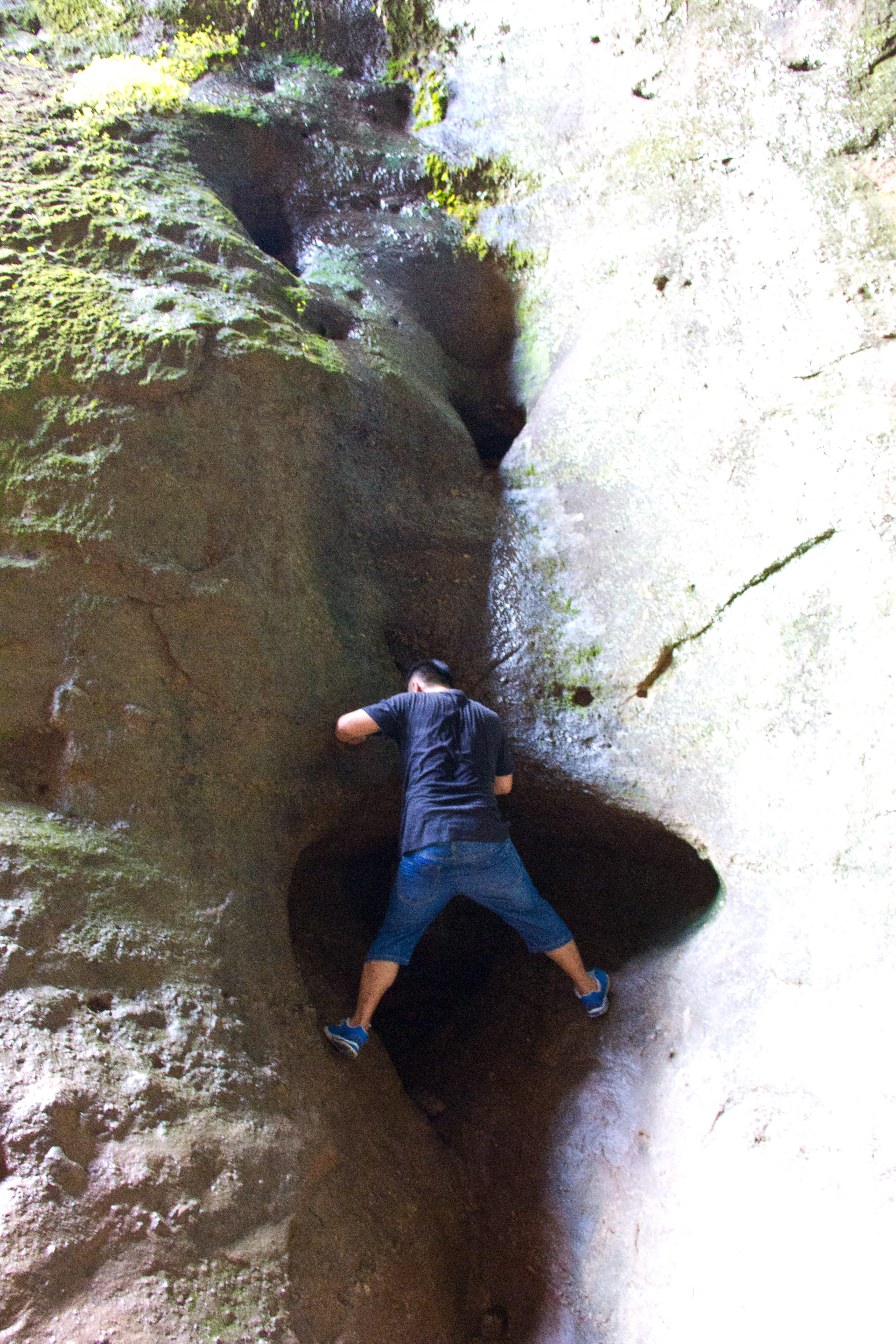
Hidden away in the most picturesque area of Mount Wuyi is a narrow canyon called the "Ghost Cave". The name evokes images of ghosts and apparitions living in secluded, deserted and gloomy places. However, the "Ghost Cave" in real life is a completely different sight, not only beautiful, winding and fascinating paths, but also one of the few remaining gene pools of the rarest varieties of tea trees. This is the origin of three famous Wuyi teas:
- Telohan (Chinese: 铁罗汉, pinyin: Tiěluóhàn,
- Baijiguan (Chinese: 白鸡冠, pinyin: báijīguān,
- Zhougui (Chinese: 肉桂, Pinyin: ròuguì).
Sandwiched between Xianyang Peak and Huiyuankeng, it is located at an altitude of 290-500 m above sea level. Dense mixed forests grow with three varieties of tea trees: zhougui and shuixiang, beidou. Shuixiang is predominantly with a wide leaf blade.
It is named for its resemblance to a horse's head. Nearby is Leishi Cliff (Chinese: 磊石, pinyin: Lěishí), which looks like five galloping horses, also known as "five horses rushing to the trough." Nearby are also Ma'an Cliff, Tilang Village, Leishi Temple, Ningyun Temple, etc.
To the north of Zhangtang Gorge (Chinese: 章堂涧, pinyin: Zhāngtáng jiàn) is a huge mountainous region and the Foguo Cliff and Mito Cliff related to it. The terrain here is quite flat with convenient transportation conditions. The areas around the cliffs are located quite low above sea level, they are not as deep as in Zhengyan, the microclimate is also slightly inferior to the famous area, but the tea plantations are uniform, dense, the soils are similar, the conditions are suitable for growing excellent tea raw materials. Vast territories give a rich harvest. This place was originally a place for growing tea for export from Wuyi Shan. As a result of state standardization and division of the territory, this area began to be attributed to Zhengyan, since the quality of the tea and its suitable price make it the most attractive.
This is one of the 99 cliffs of Wuyi Mountain. Situated next to Foguo Cliff, it is like a small Buddha sitting at the knees of Foguo Cliff. The area is relatively flat, with convenient transportation, and is very close to Tianxinyan Village (Chinese: 天心岩, pinyin: tiānxīnyán). The tea garden is generally relatively open, with sufficient light, and the soil is red and yellow with high acidity, suitable for growing tea trees. The area has a large tea plantation area and high productivity. It used to be the main source of Wuyi cliff tea for export. The famous Jinsuochi (Chinese: 金锁匙, pinyin: Jīn suǒchí) bushes grow on Mitoyan. There are still Buddhist temples on the cliffs.
Belongs to the Banyan District, which is divided into Qing Shi Yan (Chinese: 青狮岩, pinyin: Qīng shī yán), Bi Shi Yan (Chinese: 碧石岩, pinyin: bì shí yán), Yanzi Ke (Chinese: 燕子窠, pinyin: yànzi kē) and others. A thick layer of red allite rock, a thin layer of fertile soil with high aluminum content and acidity, low potassium content, the soil is sticky.
Bishiyan Cliff is one of the ninety-nine cliffs of Wuyi Mountain. Surrounded by chaotic rocks and decorated with mountain flowers, the area is fresh and pleasing to the eye. There is the Bishi Nunnery, rebuilt during the Guangxu Period of the Qing Dynasty, which has been partially destroyed and is now a tea field. This area is mainly planted with Shuixiang (Chinese: 水仙; pinyin: Shuǐxiān) trees. The tea gardens are densely packed, the tea trees are lush, the branches are tall and straight, the leaves are dark green, and the aroma of the tea is rich.
Wusandi is a natural village located in the northwest part of the Wuyi Mountain Nature Reserve, at an altitude of about 1,200 meters above sea level. The excellent natural environment, clean air and its own microclimate allow for the cultivation of very high-quality cliff tea. There are more than 60 families in Wusandi Village, 80% of which have the surname Wu. All residents of Wusandi are descendants of the famous Wu Sangui family (Chinese: 吴三桂, pinyin: wú sānguì), who lived in the late Ming Dynasty. After the suppression of the Wu Sangui Rebellion in Yunnan, three brothers from the Wu Sangui family fled to Mount Wuyi. Having settled deep in the mountains, they began to make a living by growing tea. And the name "three Wu brothers" (Chinese: 吴三弟, pinyin: wú sān dì) evolved into the current name (they sound the same). Every family in the village grows tea. In Wusandi, there are a large number of old trees over 100 years old. Many of them, for various reasons, have been destroyed in recent years. Now there are only more than 2,000 trees left, which produce no more than 2,500 kg of excellent tea per year. Wusandi tea trees are never pruned, and gradually the tea branches become covered with moss, so the tea infusion has a mossy smell. Because of the high altitude, tea produced in Wusandi is called "high mountain cliff tea." High humidity, fog, and little sunlight improve the quality of the tea. However, humidity often interferes with long-term storage.
Blue numbers - picturesque areas
(Chinese: 景点, jǐngdiǎn)
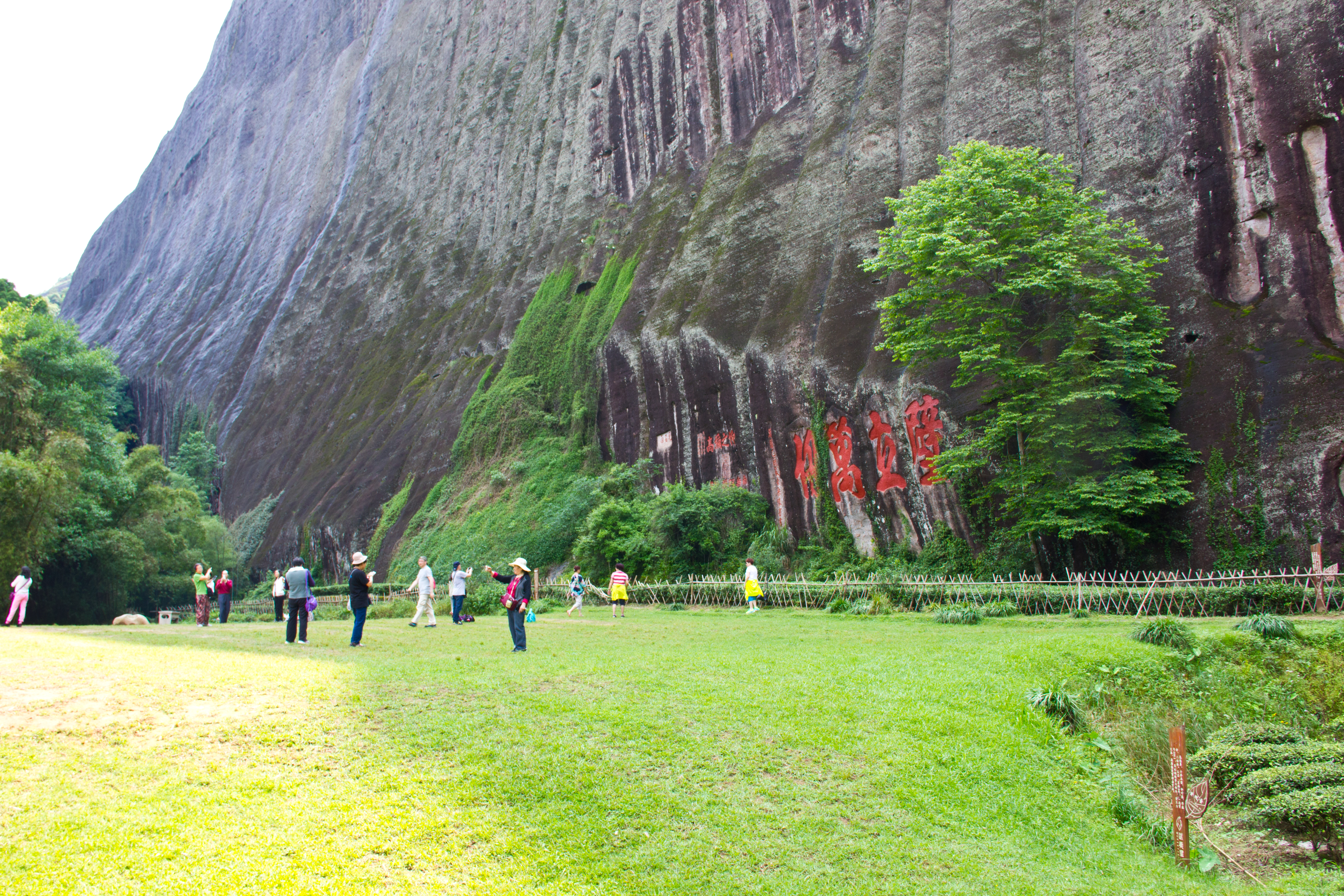
Dawan Peak (also called "Heavenly Pillar" (Chinese: 天柱峰, pinyin: Tiānzhù fēng)) is the first peak you encounter when you enter the Wuyi Mountain tea region. It is the most famous of the 36 peaks of Wuyi Mountain. There is a legend associated with this place about a brave young man named Dawan and a jade girl.
Dawan came from afar to split mountains and rocks, deepen the river and, finally, help people avoid the floods that made life unbearable for them. One day, a jade girl was traveling on a cloud, she was enchanted by the beauty of the Wuyi Mountains and came down to earth. There she met a young man Dawan and fell in love with him. The Jade Emperor, having learned about this, became furious and ordered to stop them. The Iron Spirit turned the lovers into rocks, and he himself became a rock that stands between them. Now it is called the "iron ridge" (Chinese: 铁板嶂, pinyin: Tiě bǎn zhàng).
Jade Maiden Peak and Dawan Peak look at each other across the shore like a pair of lovers. This scenic view is the logo of Fujian Province.
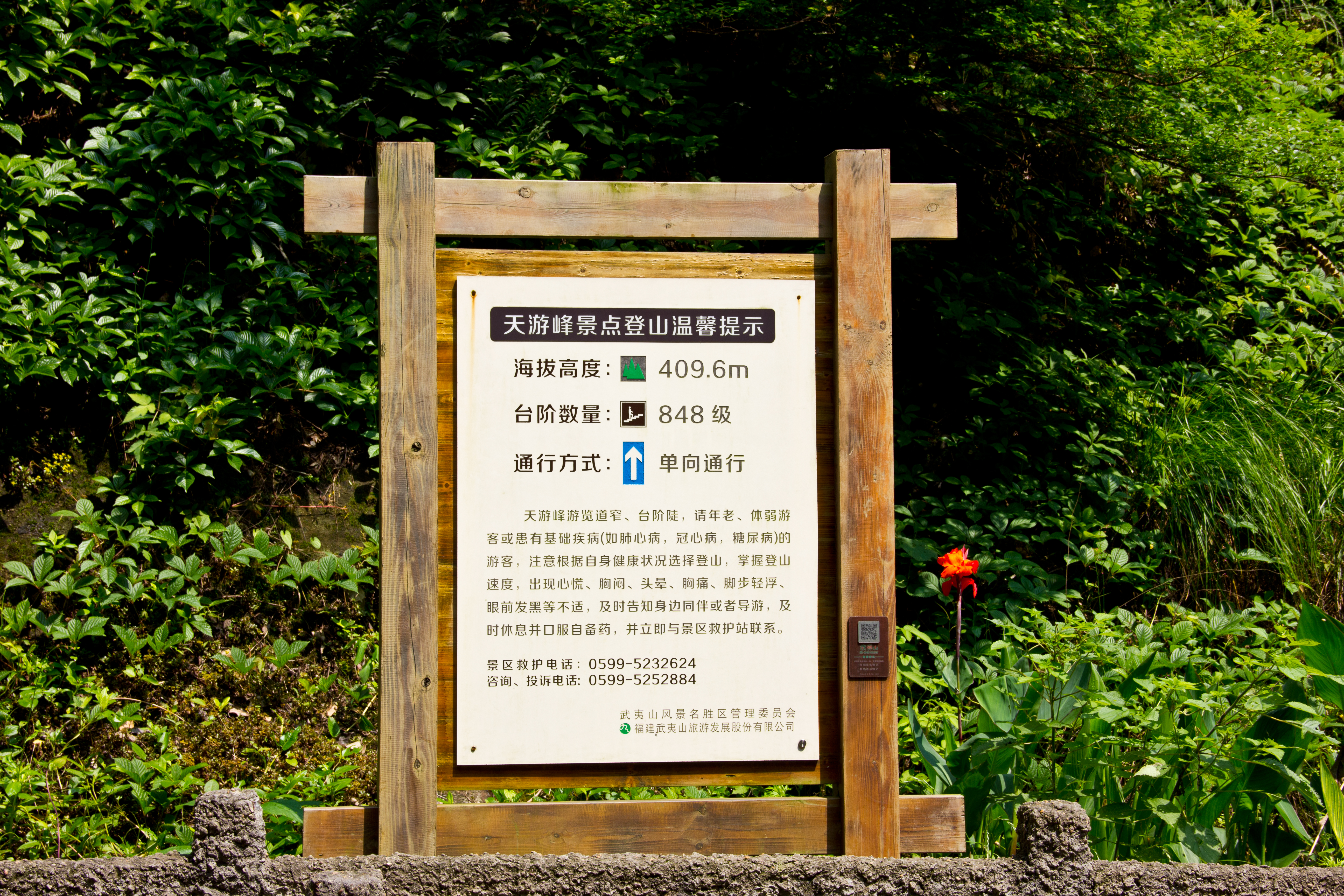
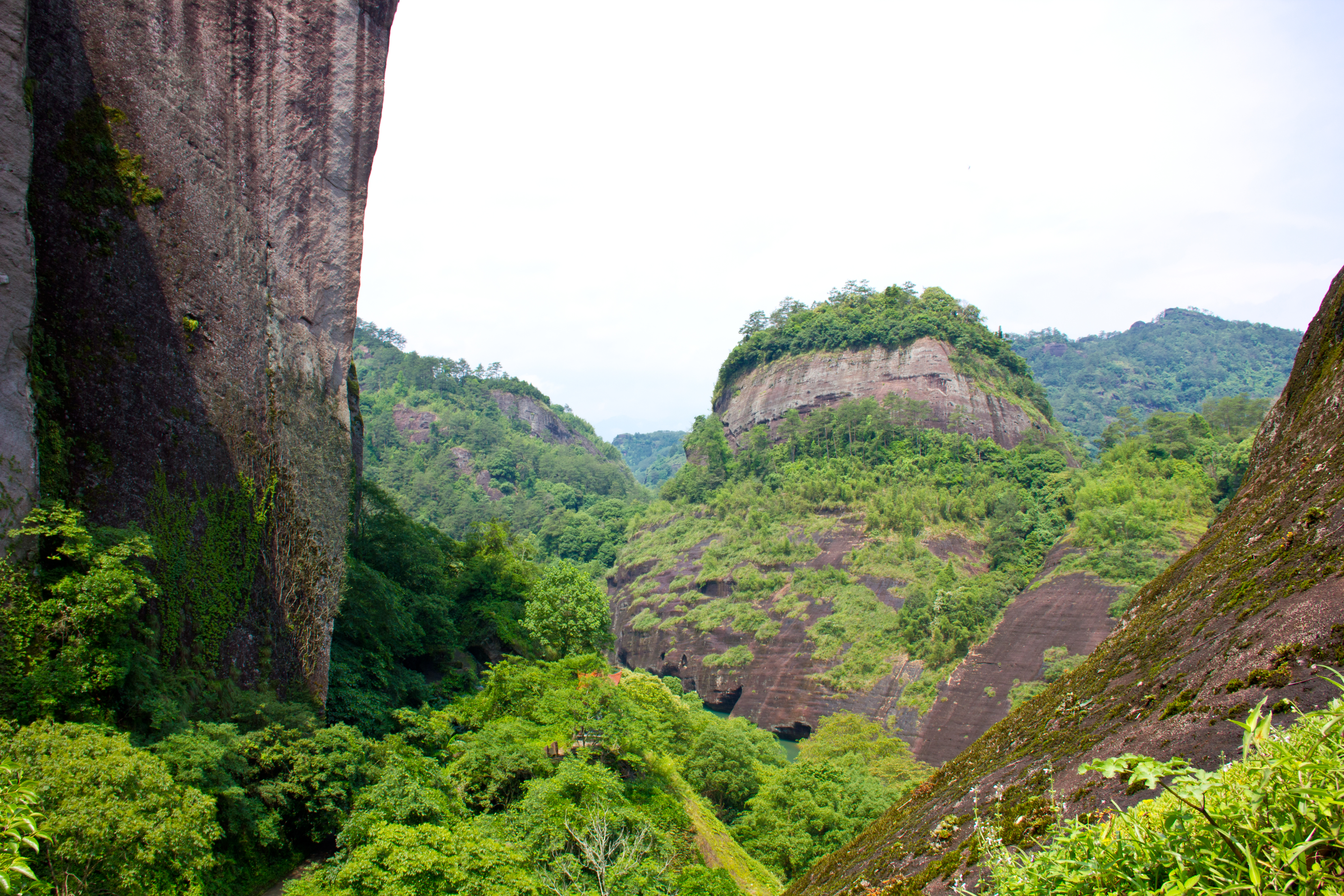
Tianyou Peak is located north of Liuqu Stream (Chinese: 六曲, pinyin: Liù qū) in the Jiuqu River Valley (Chinese: 九曲, pinyin: Jiǔ qū), in the Wuyi Mountain Scenic Area. The origin of the name also comes from the fact that Tianyou Peak is always surrounded by a sea of clouds, and anyone who comes here feels like they are in a magical land, wandering around a heavenly palace.
Xianyang Peak is the highest peak in the Wuyi Mountain tea region, at 717.7 meters, and is a bizarre three-peaked formation. All three peaks of Yangfeng face east, with the highest being Great Yang (Chinese: 大仰, pinyin: Dàyǎng), the second highest being Middle Yang (Chinese: 中仰, pinyin: Zhōng yǎng), and the third highest being Lesser Yang (Chinese: 小仰, pinyin: Xiǎo yǎng). Many people, looking at Xianyang Peak, see them as images of horses rushing up into the sky. There are many scenic spots on Xianyang Peak. Of particular interest is the Bixiao Cave (Chinese: 碧霄洞, pinyin: Bìxiāo dòng), literally meaning "blue sky cave", four or five feet deep and two or three feet high.
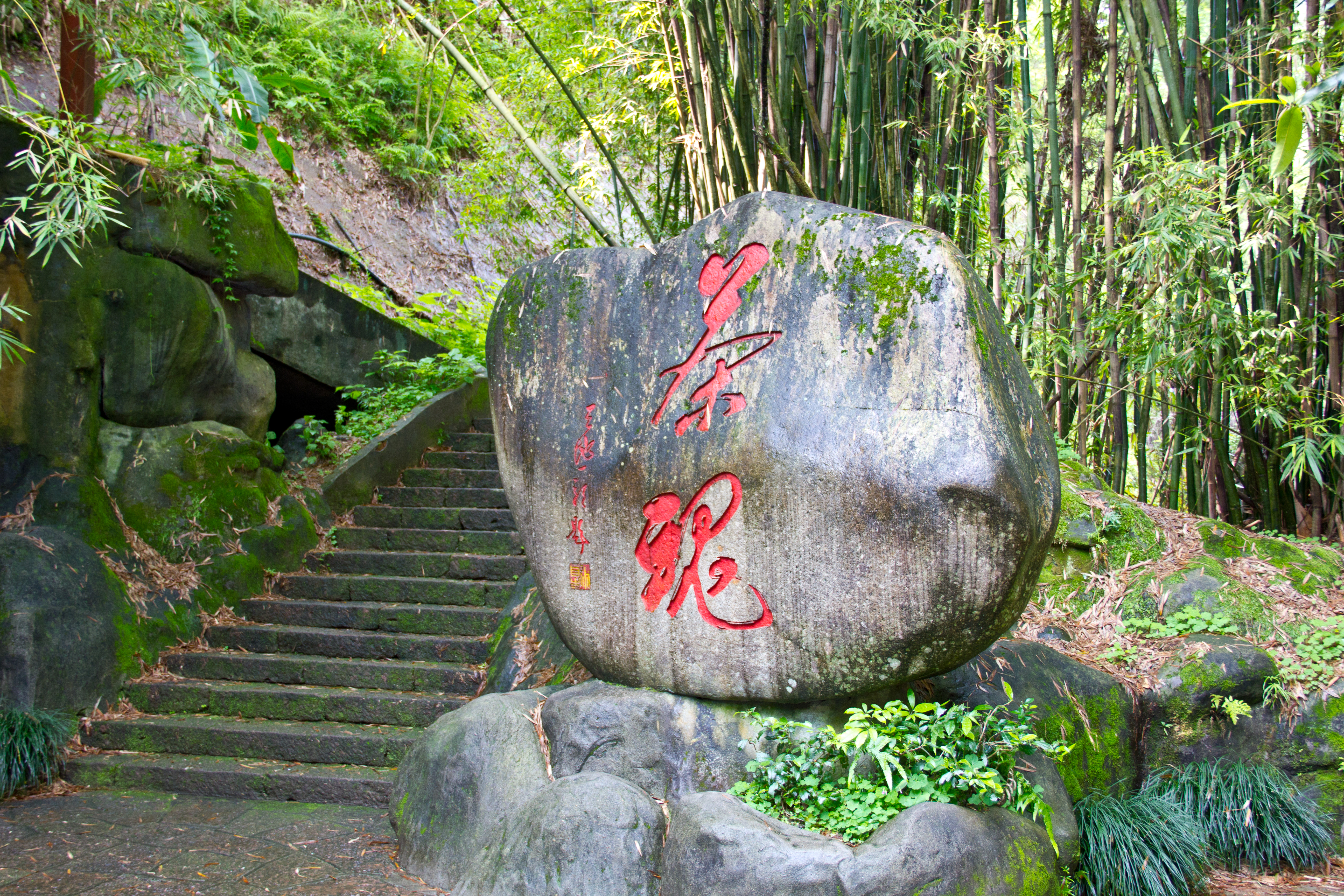
Near the cave is the Bai Yuchang Moon Toad Well (白玉蟾, pinyin: Bái yù chán). At the neck of the Great Yang Peak is a flat and square boulder known as the Chessboard Stone. Legend has it that immortals played games here in the past.
Surrounded by ancient trees and dense foliage, Xianyang Peak is always cool even in the height of summer. Winding paths and picturesque views make this place popular among tourists.
Tianxin Yongle Temple was built during the Tang Dynasty. Originally called Shanxin'an (Chinese: 山心庵, pinyin: Shān xīn ān), it is located on Tianxinfeng Peak (Chinese: 天心峰, pinyin: Tiānxīn fēng). It is the largest Buddhist monastery in the Wuyi Mountains.
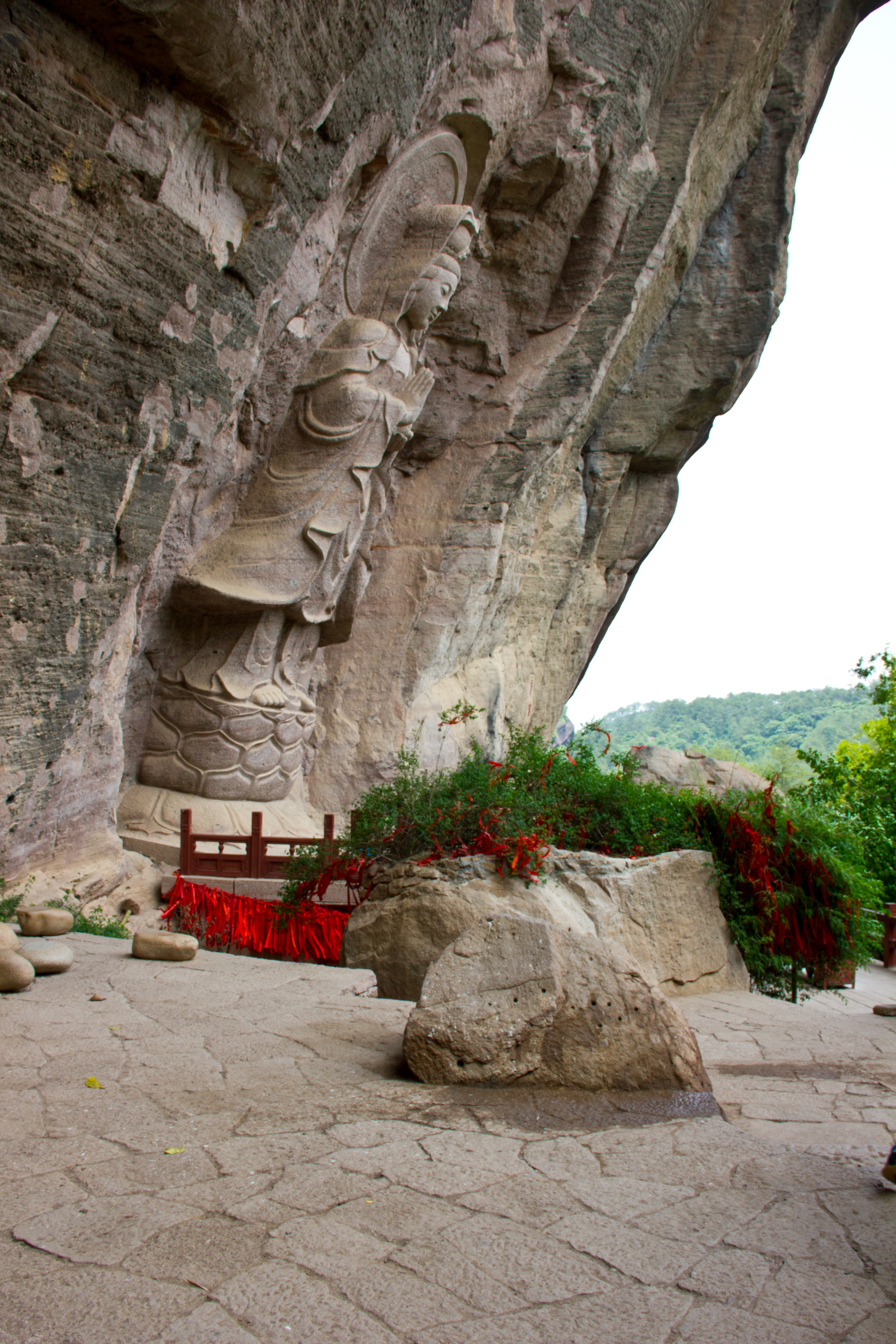
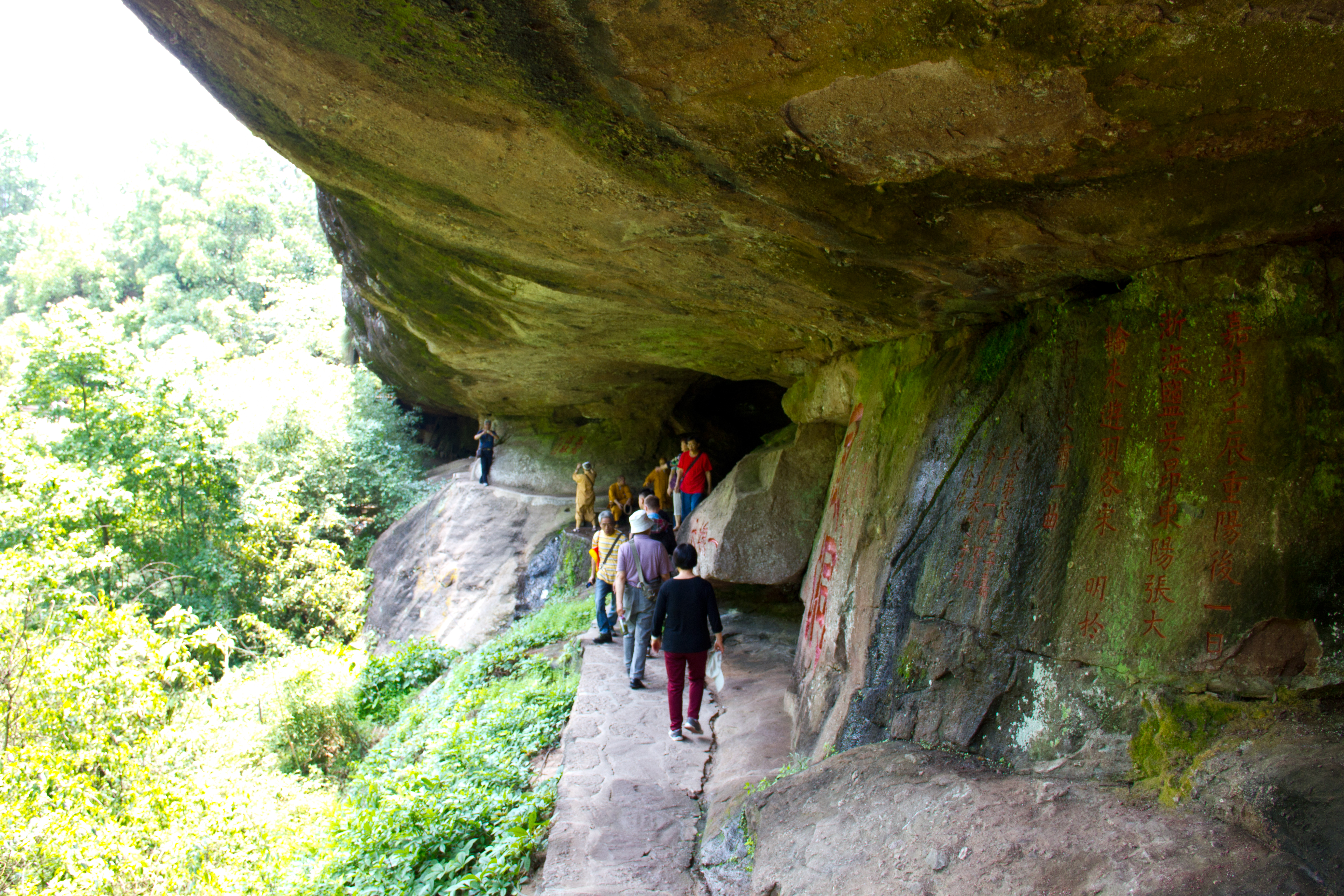
Shuilian Cave is one of the seventy-two famous caves in the area, but it is the largest cave in Wuyi Mountain. It is located on the north side of Zhangtang Stream. It is formed by the erosion of softer rock layers in horizontal rock formations and is squeezed out by running water. Therefore, unlike limestone caves, it is relatively spacious and can accommodate thousands of people. A spring gushes out from the ceiling of the cave, forming a waterfall about 80 meters high. Everyone admires the view of the waterfall as thousands of pearly drops rush down. The cave contains Sanxian Temple (Chinese: 三贤祠, pinyin Sānxián cí), San Jiaotang Church (Chinese: 三教堂, pinyin Sān jiàotáng) and Zhen Guan Temple (Chinese: 真观, pinyin zhēn guān), as well as many ancient inscriptions on rocks.
Yulinting Kiln is one of the largest and best-preserved ancient kilns from the Song Dynasty. It is located in northwest Wuyi Mountain, about 5 km north of Xing City (Chinese: 星, pinyin: xīng)
The Dragon Kilns of the Song Dynasty were used to make black-glazed porcelain tea sets. The area is more than 60 m2.
The kiln was discovered in 1959 and has been repeatedly explored since then. It is partially damaged but mostly well preserved, and is listed as a UNESCO World Heritage Site and an integral part of the Wuyi Mountains heritage.
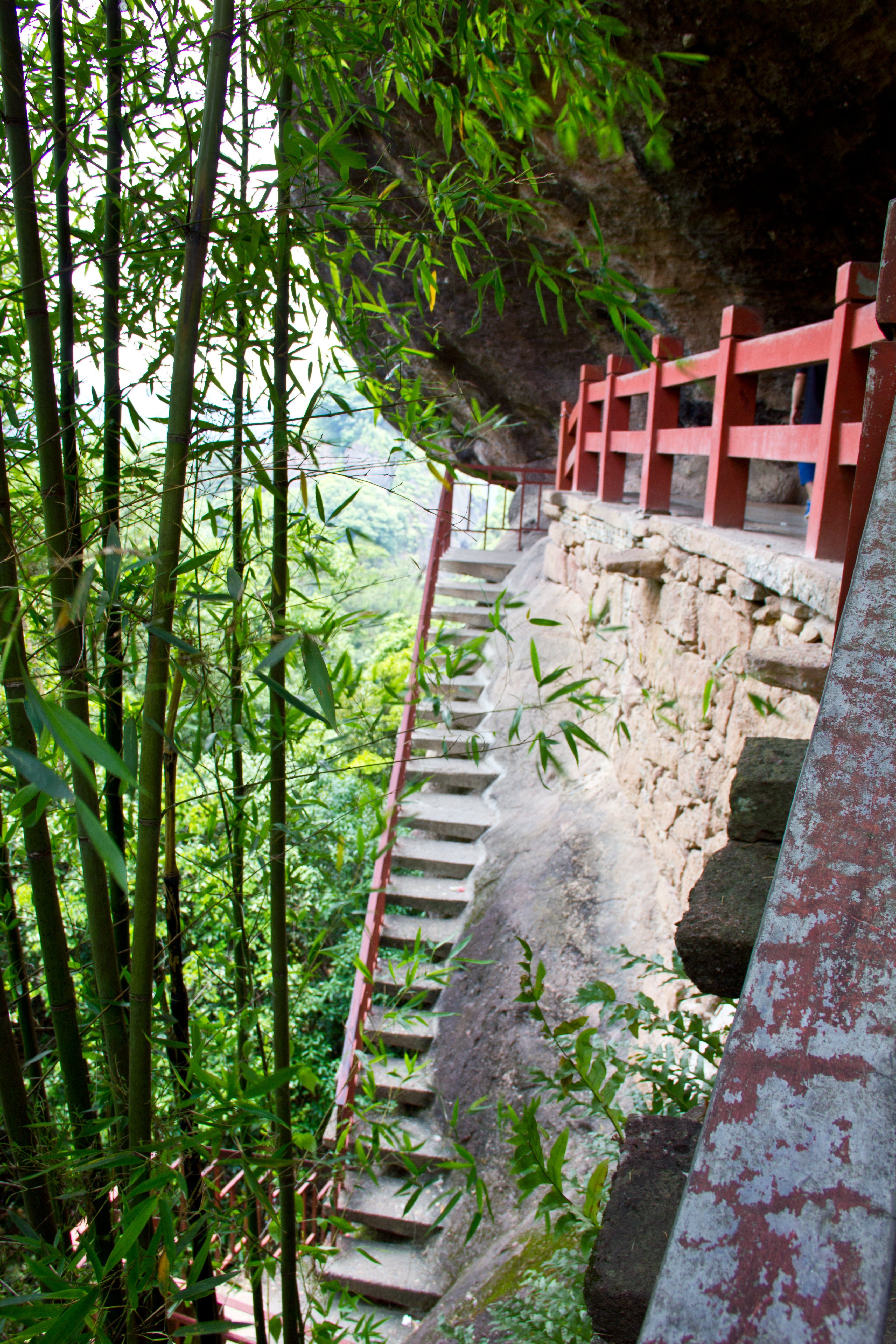
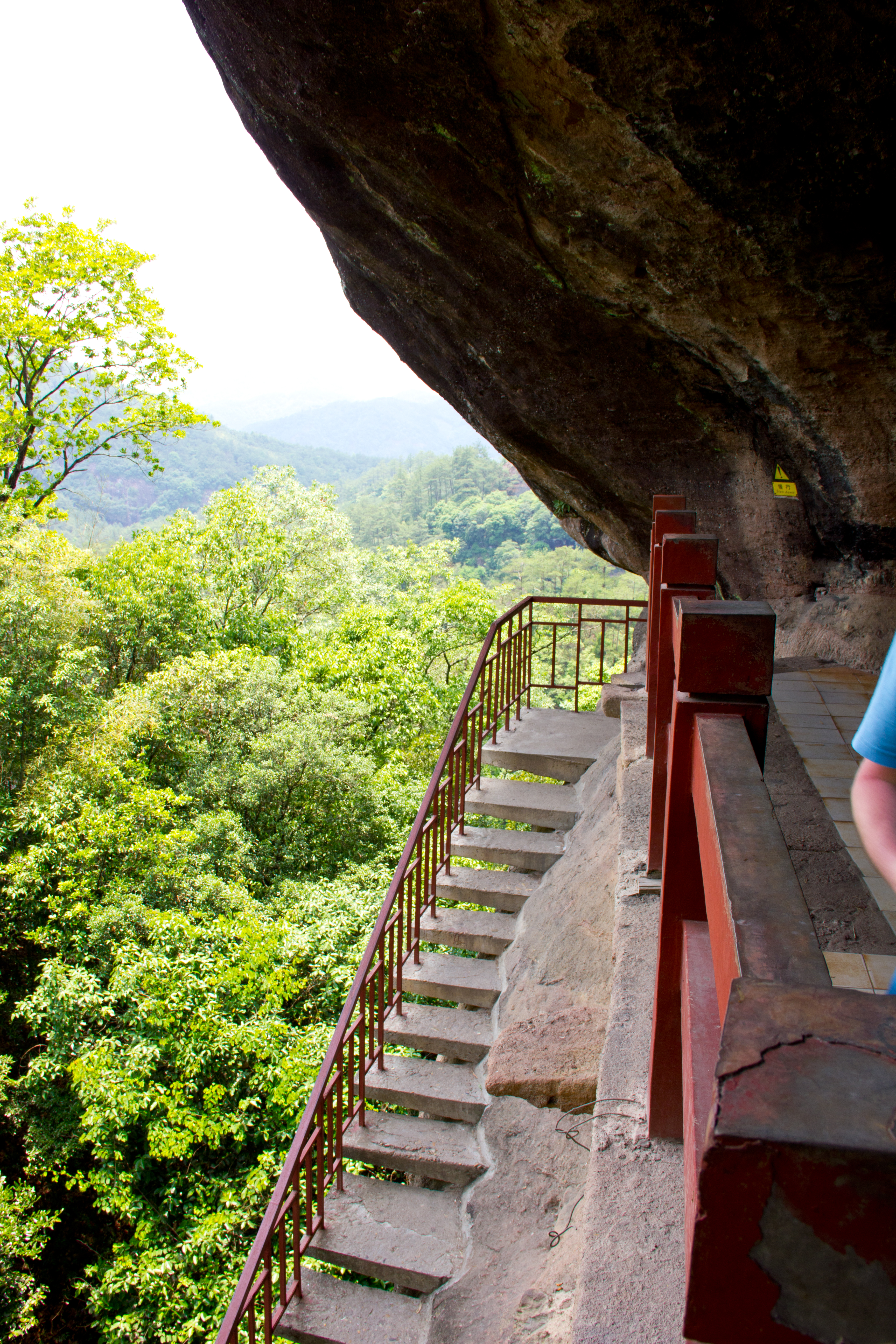
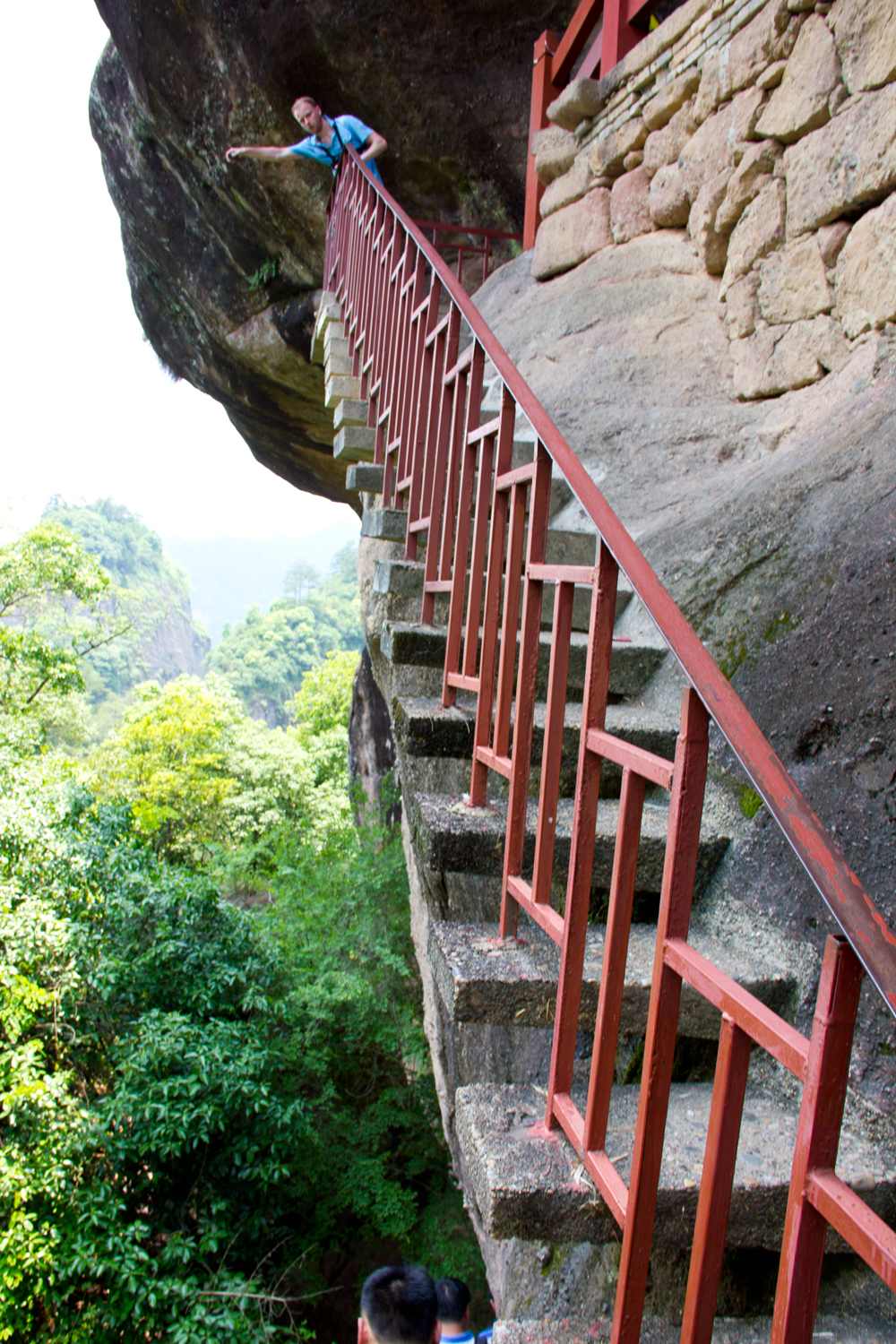
White Cloud Cliff is one of the thirty-six peaks of Wuyi Mountain, also known by its other name Lingfeng (Chinese: 灵峰, pinyin: Líng fēng). It is located in the northwest of the Jiuqu River Valley (Chinese: 九曲, pinyin: Jiǔ qū). At the top is the Baiyun Temple (Chinese: 白云禅寺, pinyin: Báiyún chánsì). It looks like a hanging temple and can be accessed via a bridge. The temple was built during the Ming Dynasty and burned down several times, rebuilt and completed in 1994. The temple was located along a long, narrow cliff. Here you can also see the ruins of old temples, a cave, the Lu Donglai Reading Room (Chinese: 吕东莱, pinyin: Lǚ dōng lái) and inscriptions on the rocks.
Zhangtangjian is a stream system in the Shuiliangdong Scenic Area of the Wuyi Mountains. The water area forms a valley for several miles. The stream flows from the foot of Zhangtang Cliff east to the foot of Yuzhu Peak, where it collects the waters of the Liuxiang Stream (Chinese: 流香涧; pinyin: liúxiāng jiàn) and then flows into the Chongyang River (Chinese: 崇阳溪; pinyin: chóngyáng xī).